
World
Study Reveals Cinnamon and Turmeric May Impact Medications

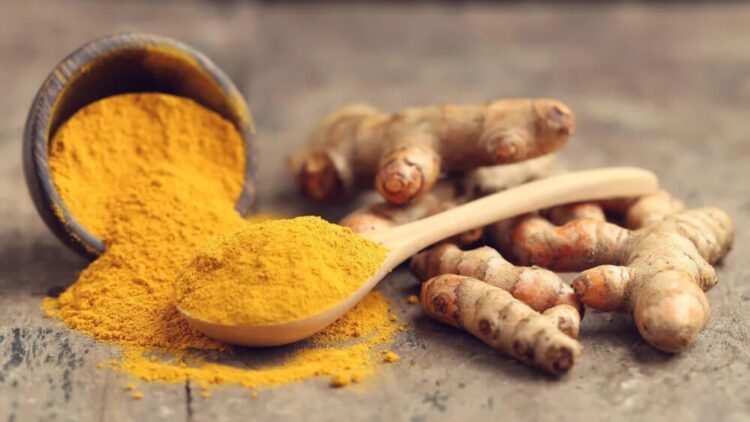
Research from the University of Mississippi suggests that commonly used spices, particularly cinnamon and turmeric, may interfere with the effectiveness of certain medications, including antidepressants and diabetes drugs. While these spices have numerous health benefits, their interaction with various pharmaceuticals raises concerns for individuals who regularly consume them.
In a recent study, researchers focused on how compounds such as cinnamaldehyde, found in cinnamon, activate receptors that can accelerate the removal of medications from the body. This process diminishes the effectiveness of the drugs. The type of cinnamon consumed plays a significant role in this interaction, highlighting differences between the two main varieties: cassia cinnamon and Ceylon cinnamon.
Understanding the Types of Cinnamon
Cassia cinnamon is the most widely available and affordable type, often found in household kitchens. It originates from parts of Asia and contains high levels of coumarin, a compound that can be harmful to the liver in large amounts. Additionally, cassia cinnamon acts as a natural anticoagulant, which can complicate treatment for individuals on blood-thinning medications.
In contrast, Ceylon cinnamon, often referred to as “true” cinnamon, is more expensive and sourced from Sri Lanka. Despite being healthier, it also poses similar risks regarding its interaction with medications like antidepressants, pain relievers, and cancer treatments.
The Role of Turmeric and Ginger
Turmeric, known for its active ingredient curcumin, has established itself as an effective anti-inflammatory and antioxidant. However, evidence regarding its interaction with medications remains limited, primarily relying on animal studies. Preliminary findings indicate that curcumin may affect the metabolism of various drugs, including antidepressants, antibiotics, and blood pressure medications. In some instances, turmeric may act as a blood thinner, potentially enhancing the effects of drugs like warfarin or aspirin.
Ginger, another well-known spice, is recognized for its anti-nausea and anti-inflammatory properties. However, the primary compound, gingerol, may influence how the body processes medications. While more research is needed to clarify its effects, particularly on antidiabetic drugs, its potential to act as a blood thinner warrants caution for individuals taking anticoagulant medications.
The interactions observed with cinnamon, turmeric, and ginger primarily occur when these spices are consumed in high doses. With their growing popularity in dietary practices, it is crucial for individuals on medication to consult healthcare providers regarding the safety of incorporating these spices into their diets.
As this research unfolds, the importance of understanding how everyday ingredients can impact health outcomes remains critical. Health-related decisions should always involve professional medical advice to ensure safety and efficacy.

**Urgent Alert: N.Y. Officials Warn of Rising Cyber Monday Scams**

Black Friday Sales Surge: Strong Consumer Confidence Reported

Church of Jesus Christ Announces Urgent Davao Temple Dedication

Icy Roads Lead to Tragic Death of 21-Year-Old in Comanche County

UCLA Defensive Back Scooter Jackson Enters Transfer Portal Ahead of 2026 Season

Study Reveals Cinnamon and Turmeric May Impact Medications

University Policies Impacting Scientific Advancements, Study Finds

David Letterman and Adam Sandler Share Laughter and Memories

Trump’s MRI Results Declared “Perfect” by White House Amid Speculation

Urgent Update: Tom Aspinall’s Vision Deteriorates After UFC 321

MIT Scientists Uncover Surprising Genomic Loops During Cell Division

University of Hawaiʻi Joins $25.6M AI Project to Enhance Disaster Monitoring

AI Disruption: AWS Faces Threat as Startups Shift Cloud Focus

Time Crystals Revolutionize Quantum Computing Potential

Honeywell Forecasts Record Business Jet Deliveries Over Next Decade

Discover the Full Map of Pokémon Legends: Z-A’s Lumiose City

GOP Faces Backlash as Protests Surge Against Trump Policies

Parenthood Set to Depart Hulu: What Fans Need to Know
-
 Top Stories1 month ago
Urgent Update: Tom Aspinall’s Vision Deteriorates After UFC 321
-
 Health2 months ago
MIT Scientists Uncover Surprising Genomic Loops During Cell Division
-
Science4 weeks ago
University of Hawaiʻi Joins $25.6M AI Project to Enhance Disaster Monitoring
-
 Top Stories2 months ago
AI Disruption: AWS Faces Threat as Startups Shift Cloud Focus
-
 Science2 months ago
Time Crystals Revolutionize Quantum Computing Potential
-
 World2 months ago
Honeywell Forecasts Record Business Jet Deliveries Over Next Decade
-
 Entertainment2 months ago
Discover the Full Map of Pokémon Legends: Z-A’s Lumiose City
-
 Top Stories2 months ago
GOP Faces Backlash as Protests Surge Against Trump Policies
-
 Entertainment2 months ago
Parenthood Set to Depart Hulu: What Fans Need to Know
-

 Politics2 months ago
Judge Signals Dismissal of Chelsea Housing Case Citing AI Flaws
-

 Sports2 months ago
Yoshinobu Yamamoto Shines in Game 2, Leading Dodgers to Victory
-

 Health2 months ago
Maine Insurers Cut Medicare Advantage Plans Amid Cost Pressures