
World
California Alerts Public After Discovery of Toxic Blue Wild Pig Meat

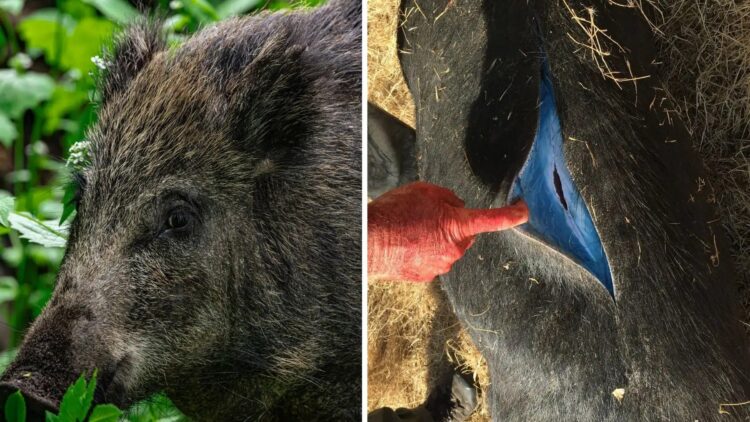
Residents of Monterey County, California, are being warned about potential contamination of wild pig meat due to rodenticide poisoning. The alert, issued by the California Department of Fish and Wildlife (CDFW), follows reports from hunters who noticed that the meat of wild pigs had turned a striking blue color. This unusual phenomenon prompted immediate investigation and advisories concerning the safety of consuming such meat.
Hunters first raised concerns when they discovered the neon blue coloration, described by local wildlife control company owner Dan Burton as “not just a little blue, but blueberry blue.” His communication with journalist Salvador Hernández at the Los Angeles Times brought attention to the alarming situation. Following these reports, Ryan Bourbour, the pesticide research coordinator at CDFW, confirmed that the blue hue is associated with poisoning from rodenticides.
Hunters have been advised to be vigilant, as the meat from various game animals, including wild pigs, deer, bears, and geese, may be contaminated if the animals were exposed to rodenticides. Bourbour emphasized that “exposure to rodenticides can be a problem for non-target wildlife in areas where applications occur very close to wildlife habitats.”
Understanding Rodenticides and Their Impacts
Rodenticides like Difacinona, a commonly used anticoagulant, pose significant risks not just to rodents but to entire ecosystems. This chemical works by binding to an enzyme that recycles vitamin K, leading to severe internal bleeding. Even after the chemical breaks down, it can remain active in the tissues of deceased animals, posing a threat to predators and humans who consume contaminated meat.
The CDFW has issued recommendations for pesticide applicators to ensure that wildlife is not adversely affected during rodenticide application. They stress the importance of using appropriate bait stations and application methods that prevent access by non-target species. It is crucial to verify that no wildlife is present in the area before applying these chemicals.
The Broader Implications of Pesticide Use
Concerns about the use of chemical pesticides are not new. Numerous wildlife advocacy groups have long urged for a reevaluation of reliance on these substances due to their collateral damage. The consequences extend beyond wildlife; residues from these pesticides have been found in various predator species, including raptors, mountain lions, and the endangered northern spotted owl.
A recent study in the United States highlighted the dangers of pesticide misuse, revealing that the insecticide chlorpyrifos is linked to structural abnormalities in the brains of children and adolescents. The research concluded that the excessive and uncontrolled use of pesticides leads to food contamination and environmental pollution, necessitating international cooperation to mitigate these threats.
As the situation in Monterey County unfolds, it serves as a stark reminder of the interconnectedness of human health, wildlife, and environmental integrity. The CDFW’s alert emphasizes the importance of responsible pesticide use, urging caution to prevent future incidents that could affect both wildlife and those who rely on them for sustenance.

Mississippi Legislators Face Key Decisions on $100 Million Opioid Funds

Researchers Propose Ice-Nucleating Particles to Cut Aviation Emissions

Blues Battle Bruins: Betting Insights for December 4 Showdown

Astronomers Discover Unusual Galactic Disruption Challenging Milky Way Models

Oregon State Welcomes JaMarcus Shephard as New Head Coach

Netflix Discontinues Phone Casting Feature, Shifts to TV App Focus

Trump Administration Slashes Asylum Seekers’ Work Permits to 18 Months

Jalen Carter Ruled Out Against Chargers in Major Eagles Injury Update

New Evidence Links 1963 Murder Case to “Fargo” Movie Inspiration

Urgent Update: Tom Aspinall’s Vision Deteriorates After UFC 321

University of Hawaiʻi Joins $25.6M AI Project to Enhance Disaster Monitoring

MIT Scientists Uncover Surprising Genomic Loops During Cell Division

AI Disruption: AWS Faces Threat as Startups Shift Cloud Focus

Time Crystals Revolutionize Quantum Computing Potential

Discover the Full Map of Pokémon Legends: Z-A’s Lumiose City

Honeywell Forecasts Record Business Jet Deliveries Over Next Decade

GOP Faces Backlash as Protests Surge Against Trump Policies

Judge Signals Dismissal of Chelsea Housing Case Citing AI Flaws
-
 Top Stories1 month ago
Urgent Update: Tom Aspinall’s Vision Deteriorates After UFC 321
-
Science1 month ago
University of Hawaiʻi Joins $25.6M AI Project to Enhance Disaster Monitoring
-
 Health2 months ago
MIT Scientists Uncover Surprising Genomic Loops During Cell Division
-
 Top Stories2 months ago
AI Disruption: AWS Faces Threat as Startups Shift Cloud Focus
-
 Science2 months ago
Time Crystals Revolutionize Quantum Computing Potential
-
 Entertainment2 months ago
Discover the Full Map of Pokémon Legends: Z-A’s Lumiose City
-
 World2 months ago
Honeywell Forecasts Record Business Jet Deliveries Over Next Decade
-
 Top Stories2 months ago
GOP Faces Backlash as Protests Surge Against Trump Policies
-
 Politics2 months ago
Judge Signals Dismissal of Chelsea Housing Case Citing AI Flaws
-

 Entertainment2 months ago
Parenthood Set to Depart Hulu: What Fans Need to Know
-

 Health2 months ago
Maine Insurers Cut Medicare Advantage Plans Amid Cost Pressures
-

 Sports2 months ago
Yoshinobu Yamamoto Shines in Game 2, Leading Dodgers to Victory