
Entertainment
Marching to Pasadena: Bands Prepare for the Rose Parade

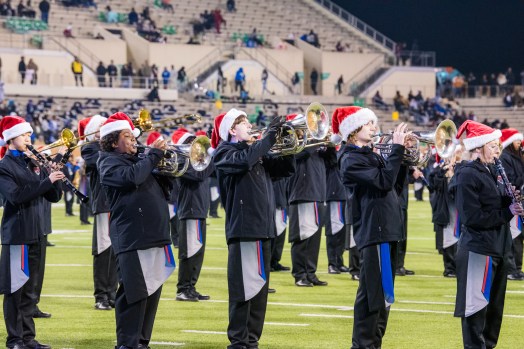
The Rose Parade, taking place annually in Pasadena, California, showcases elaborate floats and talented marching bands. Each year, community and school bands from across the globe vie for a coveted spot in this iconic event, celebrated for its vibrant displays and extensive viewership. For the upcoming parades on January 1, 2026, and January 1, 2027, band directors and students are already immersed in the extensive preparations required to participate in this prestigious occasion.
Participating in the Rose Parade involves significant financial commitment and logistical planning. The average cost for each band member ranges from $2,000 to $2,500, which means that a band with 300 members could face expenses totaling between $600,000 and $750,000. According to Terry Madigan, executive vice president of the Pasadena Tournament of Roses Association, securing funding is vital for the bands that wish to perform. He noted that the design and construction of a high-quality float alone can cost around $275,000.
The allure of marching down Colorado Boulevard in front of an audience of approximately 700,000 spectators is a major motivator for many young musicians. “Just marching down Colorado Boulevard in front of so many people is more than most of these bands will ever do,” Madigan stated. The parades are broadcast to an estimated 40 million to 50 million viewers worldwide, making it a pinnacle event for participating bands.
Band selection is based on musical ability, marching skills, and their financial readiness. Schools must present proof of their ability to fund travel, accommodations, and meals for their members, often including hundreds of students, staff, and chaperones. The selection process begins nearly two years in advance, allowing bands ample time to raise necessary funds through various activities such as pizza sales, sponsorships, and community fundraising events.
Many students experience life-changing moments through their participation. “For many of these students, this is the first time they’ve left their city or state,” said Mark Leavens, president of the Pasadena Tournament of Roses Association. This journey offers them not only the chance to perform but also to explore Southern California attractions like Universal Studios and Disneyland.
The emotional impact of being accepted into the parade is profound. Madigan shared that during the invitation announcements, tears of joy are common among band leaders and students. “When I get on the Zoom calls to present the formal invitation, tears are not at all unusual,” he explained. This anticipation and excitement drive bands to prepare rigorously, as they also need to build stamina for the 5.5-mile parade route.
For many bands, the financial burden can be overwhelming. Madigan mentioned that while the Tournament of Roses Association has a fund to assist some students, the majority of expenses are left to the bands, their parents, and local communities. If a band cannot raise enough funds, they may defer their participation and try for a future parade, similar to how minor league baseball players aspire to reach the major leagues.
One notable example is the Clovis High School band from California. After five attempts, they will finally participate in the 2027 parade, having successfully raised the necessary funds and prepared physically for the challenge. They will travel to Pasadena by bus, a logistical feat that adds to the overall costs, especially during the busy holiday season.
Another returning band, the Arcadia High School’s Apache Marching Band, is set to perform for the 19th time in the upcoming parade. Their long history includes assisting other visiting bands by providing rehearsal space and accommodations. Band director Kevin Sherrill emphasized the valuable experience this brings to students, as they can interact with high-caliber performers from various backgrounds.
Meanwhile, the Allen Eagle Escadrille from Texas will also make their return to the Rose Parade, with participation costs totaling approximately $1.6 million. This large band, known for its size and talent, has secured funding through parental support, local businesses, and sponsorships. Director Philip Obado highlighted the significance of community backing, stating, “We’ve also had people sponsor students who needed help paying for the trip.”
Some bands go a step further, using their platform to contribute to charity. The Mino Jiyu Gakuen High School Marching Band from Osaka, Japan, plans to raise funds to assist victims of recent fires in California. Their efforts reflect a commitment to community support, with the students personally contributing $7,000 to aid those affected.
The Rose Parade not only serves as an entertaining spectacle but also as a transformative experience for participating bands. For many students, it represents the culmination of years of hard work, dedication, and passion for music and performance. As the upcoming events approach, the excitement surrounding the parade continues to build, promising unforgettable moments for both performers and spectators alike.

Bruce Blakeman Launches Campaign for New York Governorship

Royal Opera House’s Nutcracker Delights Audiences This Season

Patients Rate 15 Lancashire GP Surgeries as Most Dissatisfied

Moki Stitches Launches in West Duluth, Celebrating Local Craftsmanship

Trump Influences Warner Bros. Future Amid New Policies

Tickets for Academic Lectures Sell Out in Minutes at LA Bars

Catawba River Basin Nonprofit Appoints New Executive Director Now

Next-Gen CAR-T Therapy Shows 70-100% Response in Leukemia Patients

Shanks’ Power Decline Revealed: Will He Ever Be Strong Again?

Urgent Update: Tom Aspinall’s Vision Deteriorates After UFC 321

University of Hawaiʻi Joins $25.6M AI Project to Enhance Disaster Monitoring

MIT Scientists Uncover Surprising Genomic Loops During Cell Division

AI Disruption: AWS Faces Threat as Startups Shift Cloud Focus

Time Crystals Revolutionize Quantum Computing Potential

Discover the Full Map of Pokémon Legends: Z-A’s Lumiose City

Parenthood Set to Depart Hulu: What Fans Need to Know

GOP Faces Backlash as Protests Surge Against Trump Policies

Honeywell Forecasts Record Business Jet Deliveries Over Next Decade
-
 Top Stories1 month ago
Urgent Update: Tom Aspinall’s Vision Deteriorates After UFC 321
-
Science1 month ago
University of Hawaiʻi Joins $25.6M AI Project to Enhance Disaster Monitoring
-
 Health2 months ago
MIT Scientists Uncover Surprising Genomic Loops During Cell Division
-
 Top Stories2 months ago
AI Disruption: AWS Faces Threat as Startups Shift Cloud Focus
-
 Science2 months ago
Time Crystals Revolutionize Quantum Computing Potential
-
 Entertainment2 months ago
Discover the Full Map of Pokémon Legends: Z-A’s Lumiose City
-
 Entertainment2 months ago
Parenthood Set to Depart Hulu: What Fans Need to Know
-
 Top Stories2 months ago
GOP Faces Backlash as Protests Surge Against Trump Policies
-
 World2 months ago
Honeywell Forecasts Record Business Jet Deliveries Over Next Decade
-

 Politics2 months ago
Judge Signals Dismissal of Chelsea Housing Case Citing AI Flaws
-

 Health2 months ago
Maine Insurers Cut Medicare Advantage Plans Amid Cost Pressures
-

 Sports2 months ago
Yoshinobu Yamamoto Shines in Game 2, Leading Dodgers to Victory