
Top Stories
Urgent Alert: 3D Printing Challenges Every Buyer Must Know Now

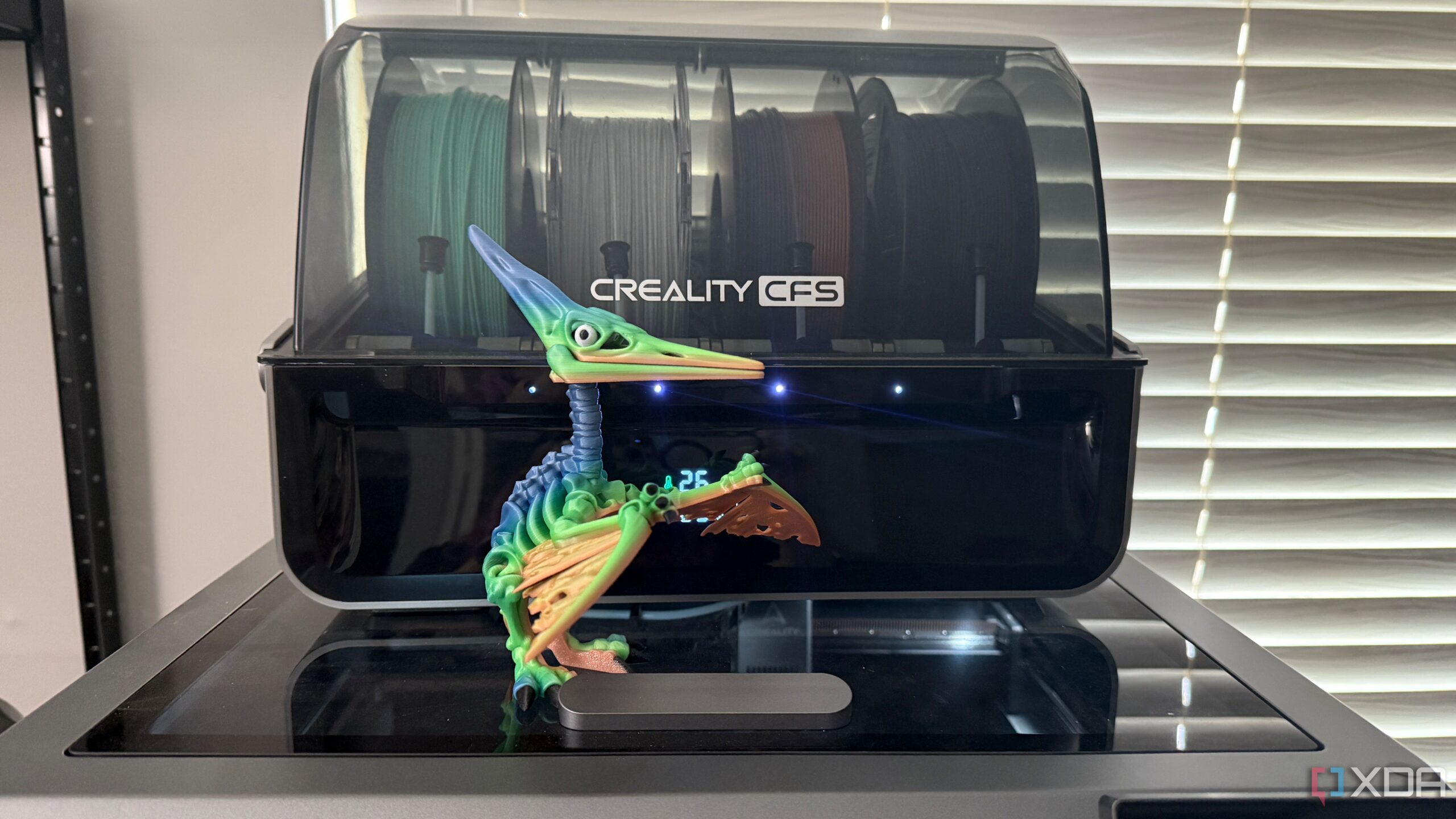
UPDATE: New insights reveal critical challenges for prospective 3D printer buyers, urging them to reconsider before making a purchase. As of October 2023, enthusiasts are warned that the journey into 3D printing is far from straightforward.
The allure of owning a 3D printer is undeniable, with the potential to create custom designs and bring ideas to life. However, experts emphasize that the process is riddled with complexities that can lead to frustration if not properly understood. Authorities in the 3D printing community are sounding the alarm: this is not just a plug-and-play device.
Many first-time buyers mistakenly believe they will achieve professional-quality results immediately. This is a significant misconception. Most consumer-grade printers require extensive setup and calibration, which includes bed leveling, nozzle adjustments, and temperature tuning. These steps are essential for producing reliable prints, and failure is common during the initial learning phase.
“Many newcomers expect flawless prints out of the box, but the reality is far different,” says a spokesperson from Bambu Lab.
Moreover, the costs associated with 3D printing extend well beyond the initial purchase price. Filament, replacement parts, and essential tools can quickly accumulate, adding to your expenses. For example, users often need to invest in spatulas, calipers, and cleaning kits to achieve consistent results. Additionally, common materials like PLA, ABS, and PETG each come with unique properties that require different handling and settings.
Experts also highlight the time commitment involved. Even small prints can take several hours to complete, while larger or more detailed projects may require overnight runs. Failures during printing can lead to wasted materials and additional hours of work. As a result, patience becomes a key factor in the 3D printing experience.
When considering which printer to buy, potential users should weigh their goals carefully. Closed-frame printers, which often come with automatic leveling features, are generally more user-friendly but come at a higher price. Conversely, open-frame printers allow for more customization but require frequent maintenance and tuning. Researching user reviews and community feedback is crucial to making an informed decision.
As the 3D printing landscape evolves, experts urge buyers to approach the hobby with realistic expectations. Treating it as a craft rather than a simple convenience will lead to greater satisfaction and a more rewarding experience. Many users who start with basic designs eventually progress to creating their own models using software like Fusion 360 or Tinkercad.
In conclusion, while the idea of owning a 3D printer is exciting, the reality involves a significant learning curve. Understanding the challenges and hidden costs can help prospective buyers navigate the initial hurdles. The 3D printing community is ready to support newcomers, but only if they are prepared for the journey ahead.
For those ready to dive into this world, the rewards can be immense. Not only can you create tangible items, but you also gain skills in problem-solving, creativity, and engineering concepts. As interest in 3D printing continues to surge, now is the time to gather knowledge and prepare for the adventure that lies ahead.

Sibling Support: Sister to Buy Brother’s Home Amid Crisis

Shocking Arrest: Santa, 67, Detained for Child Abuse in Brazil

Donations Target Global Health Challenges, Potential to Save Millions

Urgent: Apple TV Cyber Monday Deal Ends Soon – Save Over 50% Now!

Enhance Your Charitable Impact with These Effective Giving Tips

Congress Faces Urgent Deadline to Extend Health Insurance Subsidies

Defense Tech Funding Surges to Record High of $7.7 Billion

Aurora Siblings Shine in the 99th Macy’s Thanksgiving Day Parade

U.S. Fentanyl Trafficker Killed in Mexican Military Operation

Urgent Update: Tom Aspinall’s Vision Deteriorates After UFC 321

MIT Scientists Uncover Surprising Genomic Loops During Cell Division

University of Hawaiʻi Joins $25.6M AI Project to Enhance Disaster Monitoring

AI Disruption: AWS Faces Threat as Startups Shift Cloud Focus

Time Crystals Revolutionize Quantum Computing Potential

Honeywell Forecasts Record Business Jet Deliveries Over Next Decade

Discover the Full Map of Pokémon Legends: Z-A’s Lumiose City

GOP Faces Backlash as Protests Surge Against Trump Policies

Parenthood Set to Depart Hulu: What Fans Need to Know
-
 Top Stories1 month ago
Urgent Update: Tom Aspinall’s Vision Deteriorates After UFC 321
-
 Health2 months ago
MIT Scientists Uncover Surprising Genomic Loops During Cell Division
-
Science4 weeks ago
University of Hawaiʻi Joins $25.6M AI Project to Enhance Disaster Monitoring
-
 Top Stories1 month ago
AI Disruption: AWS Faces Threat as Startups Shift Cloud Focus
-
 Science2 months ago
Time Crystals Revolutionize Quantum Computing Potential
-
 World2 months ago
Honeywell Forecasts Record Business Jet Deliveries Over Next Decade
-
 Entertainment2 months ago
Discover the Full Map of Pokémon Legends: Z-A’s Lumiose City
-
 Top Stories2 months ago
GOP Faces Backlash as Protests Surge Against Trump Policies
-
 Entertainment2 months ago
Parenthood Set to Depart Hulu: What Fans Need to Know
-

 Politics2 months ago
Judge Signals Dismissal of Chelsea Housing Case Citing AI Flaws
-

 Sports2 months ago
Yoshinobu Yamamoto Shines in Game 2, Leading Dodgers to Victory
-

 Health2 months ago
Maine Insurers Cut Medicare Advantage Plans Amid Cost Pressures