
Top Stories
Urgent: Private Equity Threatens Future of College Sports Funding

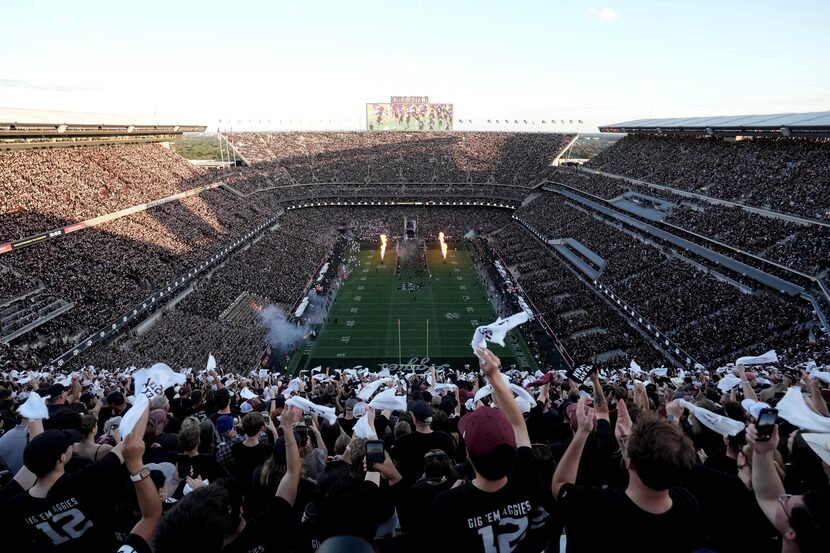
UPDATE: College athletics faces a looming financial crisis as private equity firms seek to capitalize on new payment rules for athletes. Following the House v. NCAA settlement effective June 2023, universities are allowed to pay athletes directly, necessitating significant cash influxes for athletic departments to meet rising payroll demands.
With a projected cap of $20 million annually for athlete compensation per school, many athletic programs find themselves in dire straits. While the total revenue from college athletics reached a staggering $13.6 billion in 2022, lavish spending on facilities and salaries has left some departments scrambling for funds. As Sports Illustrated reports, private equity is stepping in to offer urgent cash solutions, but experts warn of potential pitfalls.
On October 20, 2023, NCAA President Charlie Baker cautioned colleges about the dangers of private investments at a Big East roundtable, stating, “My message to everybody on this would be really simple: ‘Be really careful.’” With private equity groups circling college sports, the Big Ten Conference is considering a massive $2 billion cash infusion deal, setting a concerning precedent for financial sustainability.
The urgency is palpable as athletic departments face escalating costs associated with athlete payments. Smaller colleges may struggle to maintain teams and facilities, risking a loss of athletes and fans to better-funded programs. Meanwhile, Texas universities have resisted the trend of signing private equity deals, opting instead for long-term partnerships like the $515 million, 15-year multimedia rights agreement between Texas A&M and Playfly Sports, which includes Name, Image, and Likeness (NIL) opportunities.
Despite this strategic move, the competition remains fierce among universities, and maintaining financial health is no small feat. The pressure to generate revenue is leading schools to consider non-traditional financing methods, including private capital for stadium renovations and other projects. The Athletic notes that this shift could lead to difficult trade-offs, such as raising ticket prices or cutting budgets for non-revenue sports.
Private equity promises quick returns but at a cost. It could introduce burdensome debt obligations that threaten the financial stability of already struggling athletic departments. Instead, experts suggest a model based on fractional ownership, similar to what the Green Bay Packers have successfully implemented. This approach allows universities to issue regulated financial products to a wide base of alumni and fans, who could invest in their programs rather than merely donating.
The implications of this financial model are profound. By turning fans into investors, universities can enhance loyalty, brand strength, and attendance while retaining operational control. The call to action is clear: Texas colleges must devise sustainable funding strategies that prioritize their own needs over those of private equity firms.
As the landscape of college sports funding evolves, the choices made by athletic directors and university leaders will determine the future of their programs. The time for decision-making is now, as the ripple effects of financial mismanagement could alter the face of college athletics forever.
As the urgency escalates, stakeholders are urged to consider the long-term ramifications of their financial strategies. With the stakes higher than ever, the future of college sports funding hangs in the balance.

Bottineau Man, 88, Dies in Central North Dakota Crash

Macaque Monkeys Tap to the Beat, Challenging Musical Learning Theories

Organizing Committee Prepares for 2034 Olympics at Quarterly Meeting

Kino Lorber Acquires Argentine Film ‘The Currents’ for 2026 Release

Dozier’s BBQ Expands to Houston’s Downtown with New Stall

Grab McFarlane’s Warhammer 40,000 Space Marine at 20% Off

Organizing Committee for 2034 Olympics to Meet Tomorrow Morning

Thieves Steal Firefighters’ Gear Amid Deadly Blaze in Philly

Cyber Monday Countdown: Grab 25 Must-Have Deals Under $25 NOW!

Urgent Update: Tom Aspinall’s Vision Deteriorates After UFC 321

MIT Scientists Uncover Surprising Genomic Loops During Cell Division

University of Hawaiʻi Joins $25.6M AI Project to Enhance Disaster Monitoring

AI Disruption: AWS Faces Threat as Startups Shift Cloud Focus

Time Crystals Revolutionize Quantum Computing Potential

Honeywell Forecasts Record Business Jet Deliveries Over Next Decade

Discover the Full Map of Pokémon Legends: Z-A’s Lumiose City

GOP Faces Backlash as Protests Surge Against Trump Policies

Parenthood Set to Depart Hulu: What Fans Need to Know
-
 Top Stories1 month ago
Urgent Update: Tom Aspinall’s Vision Deteriorates After UFC 321
-
 Health2 months ago
MIT Scientists Uncover Surprising Genomic Loops During Cell Division
-
Science4 weeks ago
University of Hawaiʻi Joins $25.6M AI Project to Enhance Disaster Monitoring
-
 Top Stories2 months ago
AI Disruption: AWS Faces Threat as Startups Shift Cloud Focus
-
 Science2 months ago
Time Crystals Revolutionize Quantum Computing Potential
-
 World2 months ago
Honeywell Forecasts Record Business Jet Deliveries Over Next Decade
-
 Entertainment2 months ago
Discover the Full Map of Pokémon Legends: Z-A’s Lumiose City
-
 Top Stories2 months ago
GOP Faces Backlash as Protests Surge Against Trump Policies
-
 Entertainment2 months ago
Parenthood Set to Depart Hulu: What Fans Need to Know
-

 Politics2 months ago
Judge Signals Dismissal of Chelsea Housing Case Citing AI Flaws
-

 Sports2 months ago
Yoshinobu Yamamoto Shines in Game 2, Leading Dodgers to Victory
-

 Health2 months ago
Maine Insurers Cut Medicare Advantage Plans Amid Cost Pressures