
Top Stories
DHS Unveils Controversial Plan for Driver’s License Data in Citizenship Checks

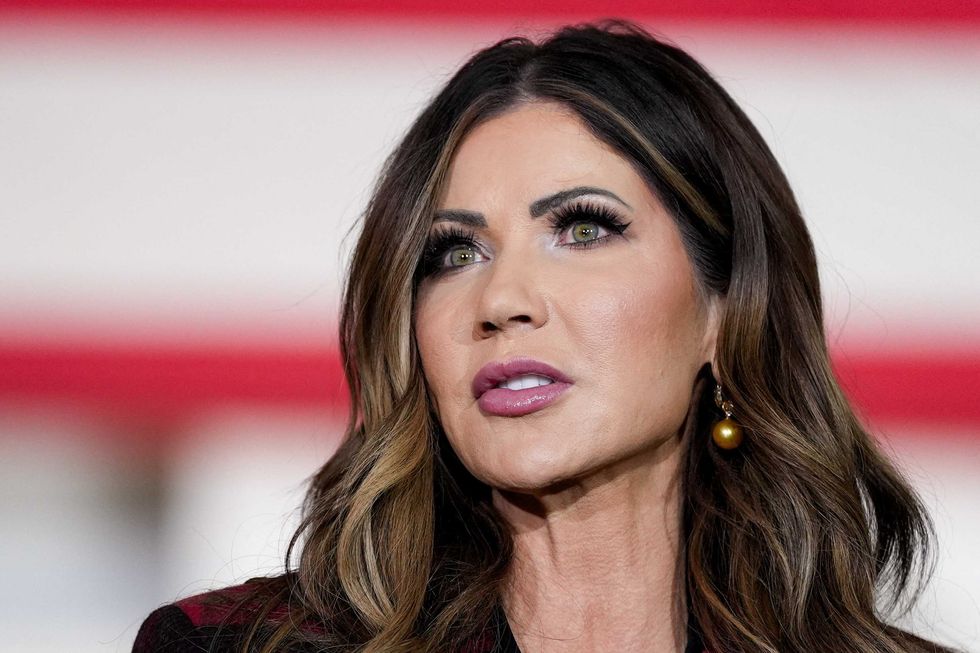
UPDATE: The Department of Homeland Security (DHS) has just announced a controversial initiative to integrate state driver’s license information into its federal citizenship verification system. This plan, disclosed in a public notice on October 20, 2023, raises significant concerns among experts regarding potential privacy violations and voter disenfranchisement.
DHS claims that this expansion will enhance its ability to identify noncitizens on voter rolls and tighten immigration enforcement. The move is part of a broader effort initiated during the Trump administration to centralize data from various sources, including millions of Americans’ Social Security information, now accessible through the Systematic Alien Verification for Entitlements (SAVE) system. According to DHS, linking driver’s license data—considered the most widely used form of ID—will improve accuracy and efficiency for agencies verifying immigration status.
However, experts are alarmed by the implications of this plan. “This could have far-reaching consequences for voter access and public trust if inaccurate data were used to question eligibility or citizenship,” warned Rachel Orey, director of the elections project at the Bipartisan Policy Center. She noted that driver’s license numbers can be reused and that without real-time updates, the data could be outdated.
The public notice details that integrating driver’s license information would allow election officials to conduct bulk searches of voter rolls, even when Social Security numbers are not available. Michael Morse, a professor at the University of Pennsylvania, described this move as “the key that unlocks everything.” The sensitive data within state driver’s license databases includes personal details such as place of birth, biometric information, and employment records, raising significant privacy concerns.
In a troubling development, emails obtained by ProPublica indicate that DHS contacted Texas officials about a pilot program to incorporate the state’s driver license data into the SAVE system as early as June. Although Texas officials initially expressed willingness to collaborate, it remains unclear if any data has been shared. A spokesperson for the Texas Department of Public Safety stated that there are currently “no ongoing projects” related to this initiative.
On the same day of the announcement, Texas Secretary of State Jane Nelson revealed that her office had processed the state’s entire voter roll through the SAVE system. The results indicated that approximately 2,724 voters, or about 0.015% of the state’s electorate, are potentially noncitizens. However, there are already concerns regarding the accuracy of these findings. In a court filing, Christopher Davis, the Travis County voter registration director, expressed alarm that up to 25% of those flagged had already validated their citizenship when registering.
This expansion of the SAVE system has sparked legal challenges from advocacy groups arguing that it violates the Privacy Act, which protects private data from misuse. Critics, including law professor Justin Levitt, denounce the DHS’s actions as evidence of federal overreach, asserting that the administration is aggressively seeking to gather as much data as possible.
As this situation develops, the implications for voter access and civil liberties remain significant. The DHS is now inviting public comments on the expansion, but many are questioning the transparency and necessity of this initiative. With fears mounting about the potential for wrongful disenfranchisement, the urgency of this matter cannot be overstated.
Stay tuned for more updates as this story unfolds.

Hedge Funds Surge in November: Citadel, Balyasny, ExodusPoint Thrive

Broomfield Police Urgently Seek Toy Donations for Local Children

Thanksgiving Leftovers Risk: Turkey in Fridge Only Lasts 3 Days

Connecticut Police Respond to 475 Crashes, 2 Fatal, Over Thanksgiving

Trump Issues Ultimatum to Maduro as Venezuela Closes Airspace

Microsoft Struggles to Fix Windows 11 Amid Ongoing User Frustration

Bottineau Man, 88, Dies in Central North Dakota Crash

Macaque Monkeys Tap to the Beat, Challenging Musical Learning Theories

Organizing Committee Prepares for 2034 Olympics at Quarterly Meeting

Urgent Update: Tom Aspinall’s Vision Deteriorates After UFC 321

MIT Scientists Uncover Surprising Genomic Loops During Cell Division

University of Hawaiʻi Joins $25.6M AI Project to Enhance Disaster Monitoring

AI Disruption: AWS Faces Threat as Startups Shift Cloud Focus

Time Crystals Revolutionize Quantum Computing Potential

Honeywell Forecasts Record Business Jet Deliveries Over Next Decade

Discover the Full Map of Pokémon Legends: Z-A’s Lumiose City

Parenthood Set to Depart Hulu: What Fans Need to Know

GOP Faces Backlash as Protests Surge Against Trump Policies
-
 Top Stories1 month ago
Urgent Update: Tom Aspinall’s Vision Deteriorates After UFC 321
-
 Health2 months ago
MIT Scientists Uncover Surprising Genomic Loops During Cell Division
-
Science4 weeks ago
University of Hawaiʻi Joins $25.6M AI Project to Enhance Disaster Monitoring
-
 Top Stories2 months ago
AI Disruption: AWS Faces Threat as Startups Shift Cloud Focus
-
 Science2 months ago
Time Crystals Revolutionize Quantum Computing Potential
-
 World2 months ago
Honeywell Forecasts Record Business Jet Deliveries Over Next Decade
-
 Entertainment2 months ago
Discover the Full Map of Pokémon Legends: Z-A’s Lumiose City
-
 Entertainment2 months ago
Parenthood Set to Depart Hulu: What Fans Need to Know
-
 Top Stories2 months ago
GOP Faces Backlash as Protests Surge Against Trump Policies
-

 Politics2 months ago
Judge Signals Dismissal of Chelsea Housing Case Citing AI Flaws
-

 Sports2 months ago
Yoshinobu Yamamoto Shines in Game 2, Leading Dodgers to Victory
-

 Health2 months ago
Maine Insurers Cut Medicare Advantage Plans Amid Cost Pressures