
Top Stories
Japan Deploys Military Amid Record Bear Attacks; 12 Dead

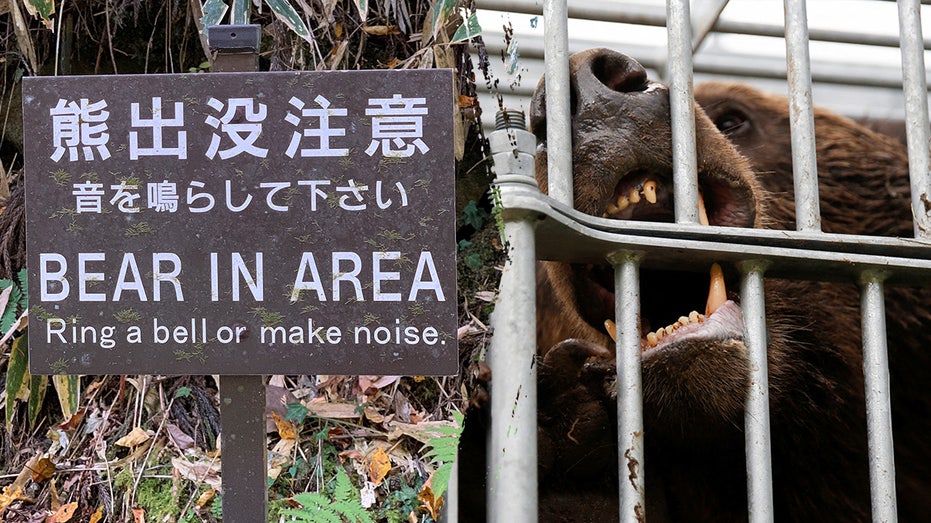
URGENT UPDATE: Japan is facing an unprecedented crisis, as the number of bear attacks has surged to record levels, prompting the government to deploy the military for assistance. Authorities report at least 12 fatalities and over 100 injuries nationwide this year, primarily in northern prefectures such as Akita, Iwate, and Fukushima.
The alarming rise in bear encounters has forced local officials to request support from the Self-Defense Forces (SDF), marking one of the country’s most severe wildlife crises in decades. This military deployment is focused on logistics, including transporting bear carcasses, setting traps, and patrolling affected areas. However, only licensed hunters, not military personnel, are permitted to engage bears posing immediate threats.
In response to the growing danger, Akita Governor Norihisa Satake made a formal request for SDF assistance in late October. Reports indicate that bears have increasingly encroached upon urban areas, leading to temporary lockdowns in rural towns and heightened fears among residents.
Experts attribute this surge in bear attacks to a combination of environmental and demographic factors. Poor harvests of acorns and beech nuts, coupled with warmer winters that delay hibernation, have driven bears into populated areas. Additionally, rural depopulation has left farmland and buffer zones between forests and towns unmanaged, increasing human-wildlife interactions.
Local governments in regions like Niigata and Hokkaido are enhancing incentives to attract new hunters, including increased subsidies and training stipends. Japan’s hunter population has been declining, with around 60% of licensed hunters now over the age of 60, leading to a shortage of individuals capable of responding to wildlife emergencies.
As bears venture closer to homes, schools, and shopping districts, the Environment Ministry has issued warnings urging residents to secure food waste and report sightings immediately. While officials describe the situation as a wildlife management crisis rather than a war on bears, many local residents are calling for stricter control measures.
The situation has ignited a national debate on balancing conservation with public safety. Bears hold significant cultural importance in Japan, representing strength and endurance in folklore. However, as attacks escalate, the demand for effective management strategies grows.
Authorities are working tirelessly to address this urgent issue, and residents are advised to remain vigilant. As the situation develops, further updates are expected.
For more information on how to stay safe and respond to bear encounters, residents are encouraged to follow guidelines from local authorities.
This evolving crisis highlights the complex interplay between wildlife conservation and human safety, making it an urgent topic for discussion across the country.

ADHD Drug Exemptions Plunge to Record Low in MLB, Urgent Update

Trump Urges Support in TN Race Amid Signs of GOP Struggles

College Football Coaching Shakeup: Key Moves and Changes in 2025

Looq AI Broadens Global Partnerships for Enhanced Reality Capture

Netflix Eliminates Casting Support for Most TVs, Promotes Native Apps

Discover Unique Grateful Dead Merchandise for Holiday Gifting

Trump’s MRI Results Released After Weeks of Speculation

Young Debutantes Dazzle at 2025 Le Bal des Débutantes

Hedge Funds Surge in November: Citadel, Balyasny, ExodusPoint Thrive

Urgent Update: Tom Aspinall’s Vision Deteriorates After UFC 321

MIT Scientists Uncover Surprising Genomic Loops During Cell Division

University of Hawaiʻi Joins $25.6M AI Project to Enhance Disaster Monitoring

AI Disruption: AWS Faces Threat as Startups Shift Cloud Focus

Time Crystals Revolutionize Quantum Computing Potential

Honeywell Forecasts Record Business Jet Deliveries Over Next Decade

Discover the Full Map of Pokémon Legends: Z-A’s Lumiose City

GOP Faces Backlash as Protests Surge Against Trump Policies

Parenthood Set to Depart Hulu: What Fans Need to Know
-
 Top Stories1 month ago
Urgent Update: Tom Aspinall’s Vision Deteriorates After UFC 321
-
 Health2 months ago
MIT Scientists Uncover Surprising Genomic Loops During Cell Division
-
Science4 weeks ago
University of Hawaiʻi Joins $25.6M AI Project to Enhance Disaster Monitoring
-
 Top Stories2 months ago
AI Disruption: AWS Faces Threat as Startups Shift Cloud Focus
-
 Science2 months ago
Time Crystals Revolutionize Quantum Computing Potential
-
 World2 months ago
Honeywell Forecasts Record Business Jet Deliveries Over Next Decade
-
 Entertainment2 months ago
Discover the Full Map of Pokémon Legends: Z-A’s Lumiose City
-
 Top Stories2 months ago
GOP Faces Backlash as Protests Surge Against Trump Policies
-
 Entertainment2 months ago
Parenthood Set to Depart Hulu: What Fans Need to Know
-

 Politics2 months ago
Judge Signals Dismissal of Chelsea Housing Case Citing AI Flaws
-

 Sports2 months ago
Yoshinobu Yamamoto Shines in Game 2, Leading Dodgers to Victory
-

 Health2 months ago
Maine Insurers Cut Medicare Advantage Plans Amid Cost Pressures