
Top Stories
Gen Z Men Fear Dating Amid Social Media Scrutiny, Experts Warn

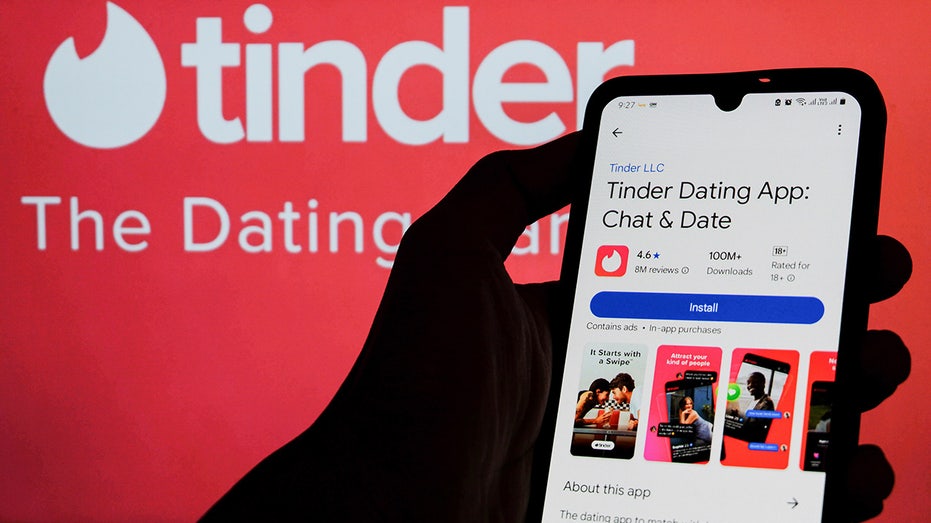
UPDATE: New insights reveal that many men in Generation Z are increasingly hesitant to date due to a pervasive fear of being filmed and publicly humiliated. This alarming trend is reshaping the dating landscape, prompting experts like Dr. Nicole Saphier to address the issue on national platforms.
Recent discussions highlight a distressing phenomenon dubbed the “Cold War” of the sexes, where young men feel “scared” to engage in dating for fear of being recorded and ridiculed on social media. According to recent statements from Eli Thompson, a recent high school graduate, the potential for public shaming has transformed normal interactions into risky endeavors. “The threat of public shaming makes normal interactions risky,” Thompson stated in an interview with Rolling Stone.
This escalating anxiety around dating is not just a personal issue; it has broader implications for societal dynamics. A staggering 37% of Gen Z individuals now identify as celibate, with 68% of men attributing their reluctance to inflation, while 64% of women cite political differences as a deterrent.
Thompson elaborated on the psychological toll this fear takes, explaining that young men often second-guess every word or message, worrying about how it might be perceived. “This causes a Cold War among genders where each side is suspicious of each other and doesn’t have empathy,” he remarked. The result is a digital culture rife with mistrust and humiliation, as individuals grow wary of one another.
As social media platforms continue to dominate dating culture, women frequently share their experiences online, from “get ready with me” videos to date-night vlogs. While this trend may seem harmless, it has led to significant discomfort among many young men. “It fuels mistrust in many young men and turns interactions into battlegrounds,” Thompson asserted.
Experts are calling for immediate attention to the rising incidence of digital cruelty. Thompson emphasized the need for accountability, stating, “Cruelty behind a screen is no less harmful than cruelty in person.” The pressing question remains: how can society address this growing divide before it becomes insurmountable?
As the conversation continues, experts suggest that establishing consequences for online cruelty could be a necessary step in fostering healthier interactions among young people. The urgency of this situation cannot be overstated, as the well-being of future generations hinges on the ability to navigate these complex social dynamics.
Stay tuned for further developments on this critical issue affecting Gen Z’s approach to dating and relationships.

ADHD Drug Exemptions Plunge to Record Low in MLB, Urgent Update

Trump Urges Support in TN Race Amid Signs of GOP Struggles

College Football Coaching Shakeup: Key Moves and Changes in 2025

Looq AI Broadens Global Partnerships for Enhanced Reality Capture

Netflix Eliminates Casting Support for Most TVs, Promotes Native Apps

Discover Unique Grateful Dead Merchandise for Holiday Gifting

Trump’s MRI Results Released After Weeks of Speculation

Young Debutantes Dazzle at 2025 Le Bal des Débutantes

Hedge Funds Surge in November: Citadel, Balyasny, ExodusPoint Thrive

Urgent Update: Tom Aspinall’s Vision Deteriorates After UFC 321

MIT Scientists Uncover Surprising Genomic Loops During Cell Division

University of Hawaiʻi Joins $25.6M AI Project to Enhance Disaster Monitoring

AI Disruption: AWS Faces Threat as Startups Shift Cloud Focus

Time Crystals Revolutionize Quantum Computing Potential

Honeywell Forecasts Record Business Jet Deliveries Over Next Decade

Discover the Full Map of Pokémon Legends: Z-A’s Lumiose City

GOP Faces Backlash as Protests Surge Against Trump Policies

Parenthood Set to Depart Hulu: What Fans Need to Know
-
 Top Stories1 month ago
Urgent Update: Tom Aspinall’s Vision Deteriorates After UFC 321
-
 Health2 months ago
MIT Scientists Uncover Surprising Genomic Loops During Cell Division
-
Science4 weeks ago
University of Hawaiʻi Joins $25.6M AI Project to Enhance Disaster Monitoring
-
 Top Stories2 months ago
AI Disruption: AWS Faces Threat as Startups Shift Cloud Focus
-
 Science2 months ago
Time Crystals Revolutionize Quantum Computing Potential
-
 World2 months ago
Honeywell Forecasts Record Business Jet Deliveries Over Next Decade
-
 Entertainment2 months ago
Discover the Full Map of Pokémon Legends: Z-A’s Lumiose City
-
 Top Stories2 months ago
GOP Faces Backlash as Protests Surge Against Trump Policies
-
 Entertainment2 months ago
Parenthood Set to Depart Hulu: What Fans Need to Know
-

 Politics2 months ago
Judge Signals Dismissal of Chelsea Housing Case Citing AI Flaws
-

 Sports2 months ago
Yoshinobu Yamamoto Shines in Game 2, Leading Dodgers to Victory
-

 Health2 months ago
Maine Insurers Cut Medicare Advantage Plans Amid Cost Pressures