
Top Stories
Breaking: Republican Party’s Elephant Symbol Debuts Today in 1874

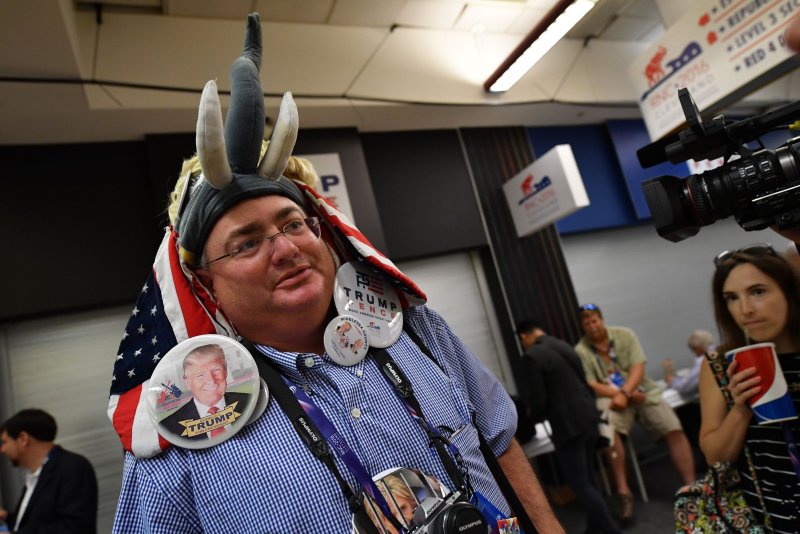
UPDATE: On this day, November 7, 1874, history was made when the first cartoon featuring the elephant as the symbol of the Republican Party was published in Harper’s Weekly. This significant moment marked a turning point in American political imagery, embedding the elephant in the national consciousness.
The cartoon, drawn by the renowned political cartoonist Thomas Nast, depicted the elephant in a manner that would come to symbolize the party’s values and ideals. This image was not just an artistic choice; it represented a growing political identity during a tumultuous period in U.S. history, just a decade after the end of the Civil War.
The introduction of the elephant as a party symbol came at a time when the Republican Party was solidifying its platform and appealing to an evolving electorate. The visual representation of the elephant was meant to convey strength and dignity, traits that the party aimed to embody.
As we reflect on this day, it is essential to consider the impact of political symbols on voter perception. The elephant has since become a staple in American political discourse, influencing campaigns, merchandise, and party branding for generations.
In the years following this cartoon’s release, the elephant would not only serve as a mascot for the Republican Party but also as a symbol of American politics as a whole. This enduring legacy is a reminder of how imagery can shape political narratives and influence public opinion over time.
What happens next? As the Republican Party continues to evolve, the elephant remains a prominent reminder of its historical roots. Political analysts and historians alike will be watching closely to see how this symbol is utilized in the upcoming elections and what new narratives will emerge as the party navigates contemporary issues.
This day serves as a reminder of the power of symbols in politics, prompting conversations about identity, representation, and the trajectory of political movements in the United States. Share this significant moment in history as we continue to explore its relevance in today’s political landscape.

Shocking Arrest: Santa, 67, Detained for Child Abuse in Brazil

Donations Target Global Health Challenges, Potential to Save Millions

Urgent: Apple TV Cyber Monday Deal Ends Soon – Save Over 50% Now!

Enhance Your Charitable Impact with These Effective Giving Tips

Congress Faces Urgent Deadline to Extend Health Insurance Subsidies

Defense Tech Funding Surges to Record High of $7.7 Billion

Aurora Siblings Shine in the 99th Macy’s Thanksgiving Day Parade

U.S. Fentanyl Trafficker Killed in Mexican Military Operation

Barn Cat Taco Moves In: A Family’s Heartwarming Change

Urgent Update: Tom Aspinall’s Vision Deteriorates After UFC 321

MIT Scientists Uncover Surprising Genomic Loops During Cell Division

University of Hawaiʻi Joins $25.6M AI Project to Enhance Disaster Monitoring

AI Disruption: AWS Faces Threat as Startups Shift Cloud Focus

Time Crystals Revolutionize Quantum Computing Potential

Honeywell Forecasts Record Business Jet Deliveries Over Next Decade

Discover the Full Map of Pokémon Legends: Z-A’s Lumiose City

GOP Faces Backlash as Protests Surge Against Trump Policies

Parenthood Set to Depart Hulu: What Fans Need to Know
-
 Top Stories1 month ago
Urgent Update: Tom Aspinall’s Vision Deteriorates After UFC 321
-
 Health2 months ago
MIT Scientists Uncover Surprising Genomic Loops During Cell Division
-
Science4 weeks ago
University of Hawaiʻi Joins $25.6M AI Project to Enhance Disaster Monitoring
-
 Top Stories1 month ago
AI Disruption: AWS Faces Threat as Startups Shift Cloud Focus
-
 Science2 months ago
Time Crystals Revolutionize Quantum Computing Potential
-
 World2 months ago
Honeywell Forecasts Record Business Jet Deliveries Over Next Decade
-
 Entertainment2 months ago
Discover the Full Map of Pokémon Legends: Z-A’s Lumiose City
-
 Top Stories2 months ago
GOP Faces Backlash as Protests Surge Against Trump Policies
-
 Entertainment2 months ago
Parenthood Set to Depart Hulu: What Fans Need to Know
-

 Politics2 months ago
Judge Signals Dismissal of Chelsea Housing Case Citing AI Flaws
-

 Sports2 months ago
Yoshinobu Yamamoto Shines in Game 2, Leading Dodgers to Victory
-

 Health2 months ago
Maine Insurers Cut Medicare Advantage Plans Amid Cost Pressures