
Top Stories
South Korean Police Mobilized to Combat Hate Speech Online

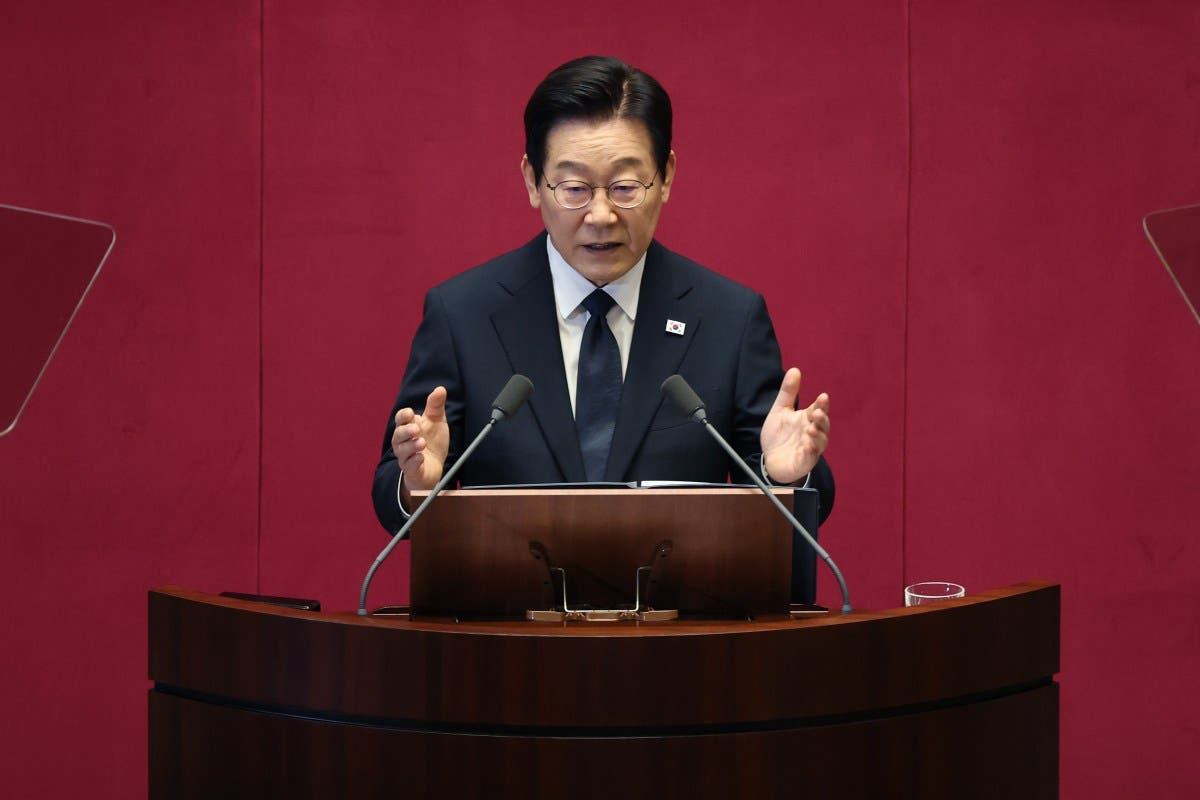
UPDATE: South Korean President Lee Jae-myung has just announced a decisive crackdown on online hate speech, instructing police to act against what he describes as a serious threat to democracy. This directive comes amid rising anti-foreigner sentiment, particularly targeting Chinese nationals, leading up to the Asia-Pacific Economic Cooperation summit in Busan last month.
In a Cabinet meeting held on October 24, 2023, Lee emphasized that hate speech and disinformation are “rampant” across social media platforms. He stated, “Acts such as distorting or manipulating facts, spreading racial hatred or discrimination — the circulation of such false information is an act that threatens democracy, and because it threatens the daily lives of our citizens, it must be regarded as a crime.” His remarks underscore the urgency of the issue in a nation where the number of foreigners residing for at least three months reached a record 2.58 million in 2022, making up roughly 5 percent of the population.
The backdrop to this announcement is a wave of protests from conservative groups against foreign nationals, particularly targeting Chinese individuals. These demonstrations have fueled anxieties regarding demographic changes in one of the world’s most homogenous societies.
Lee’s directives include immediate measures for civil servants, allowing for the instantaneous dismissal of any found guilty of engaging in hate speech. He stated that all public officials, including senior figures such as Ahn Chang-ho, head of the National Human Rights Commission, will be held to the same standards concerning hate speech. Ahn has faced backlash for previous remarks deemed anti-LGBTQ+, raising questions about accountability at high levels.
Furthermore, Dai Bing, the Chinese ambassador to South Korea, expressed concerns at a forum in Seoul about the “far-right forces” spreading disinformation and fostering anti-China protests. He warned that such actions not only harm bilateral relations but also damage South Korea’s international image.
As South Korea and Japan remain the only OECD nations without comprehensive anti-discrimination laws, Lee has backed efforts to initiate parliamentary discussions on this pressing issue. He supports the Justice Minister’s proposal for legislation modeled after laws in Japan and Europe, reinforcing the government’s commitment to address hate speech and discrimination effectively.
What happens next is crucial. The push for an anti-discrimination law could reshape the landscape of social justice in South Korea. Observers are keenly watching for developments in this legislative effort, as well as the implications of Lee’s crackdown on hate speech for societal harmony.
Authorities and citizens alike are urged to remain vigilant as these policies unfold, highlighting the importance of unity in a time of rising tension and division. Expect further updates as the situation develops and as South Korea takes significant steps towards addressing these critical societal issues.

New York Passes Historic Bill for First State Holocaust Memorial

Urgent Warning: ‘King Tides’ to Hit North Coast This Week

ADHD Drug Exemptions Plunge to Record Low in MLB, Urgent Update

Trump Urges Support in TN Race Amid Signs of GOP Struggles

College Football Coaching Shakeup: Key Moves and Changes in 2025

Looq AI Broadens Global Partnerships for Enhanced Reality Capture

Netflix Eliminates Casting Support for Most TVs, Promotes Native Apps

Discover Unique Grateful Dead Merchandise for Holiday Gifting

Trump’s MRI Results Released After Weeks of Speculation

Urgent Update: Tom Aspinall’s Vision Deteriorates After UFC 321

MIT Scientists Uncover Surprising Genomic Loops During Cell Division

University of Hawaiʻi Joins $25.6M AI Project to Enhance Disaster Monitoring

AI Disruption: AWS Faces Threat as Startups Shift Cloud Focus

Time Crystals Revolutionize Quantum Computing Potential

Honeywell Forecasts Record Business Jet Deliveries Over Next Decade

Discover the Full Map of Pokémon Legends: Z-A’s Lumiose City

GOP Faces Backlash as Protests Surge Against Trump Policies

Parenthood Set to Depart Hulu: What Fans Need to Know
-
 Top Stories1 month ago
Urgent Update: Tom Aspinall’s Vision Deteriorates After UFC 321
-
 Health2 months ago
MIT Scientists Uncover Surprising Genomic Loops During Cell Division
-
Science4 weeks ago
University of Hawaiʻi Joins $25.6M AI Project to Enhance Disaster Monitoring
-
 Top Stories2 months ago
AI Disruption: AWS Faces Threat as Startups Shift Cloud Focus
-
 Science2 months ago
Time Crystals Revolutionize Quantum Computing Potential
-
 World2 months ago
Honeywell Forecasts Record Business Jet Deliveries Over Next Decade
-
 Entertainment2 months ago
Discover the Full Map of Pokémon Legends: Z-A’s Lumiose City
-
 Top Stories2 months ago
GOP Faces Backlash as Protests Surge Against Trump Policies
-
 Entertainment2 months ago
Parenthood Set to Depart Hulu: What Fans Need to Know
-

 Politics2 months ago
Judge Signals Dismissal of Chelsea Housing Case Citing AI Flaws
-

 Sports2 months ago
Yoshinobu Yamamoto Shines in Game 2, Leading Dodgers to Victory
-

 Health2 months ago
Maine Insurers Cut Medicare Advantage Plans Amid Cost Pressures