
Business
Agile CRM Delivers Affordable Solutions for Small Businesses

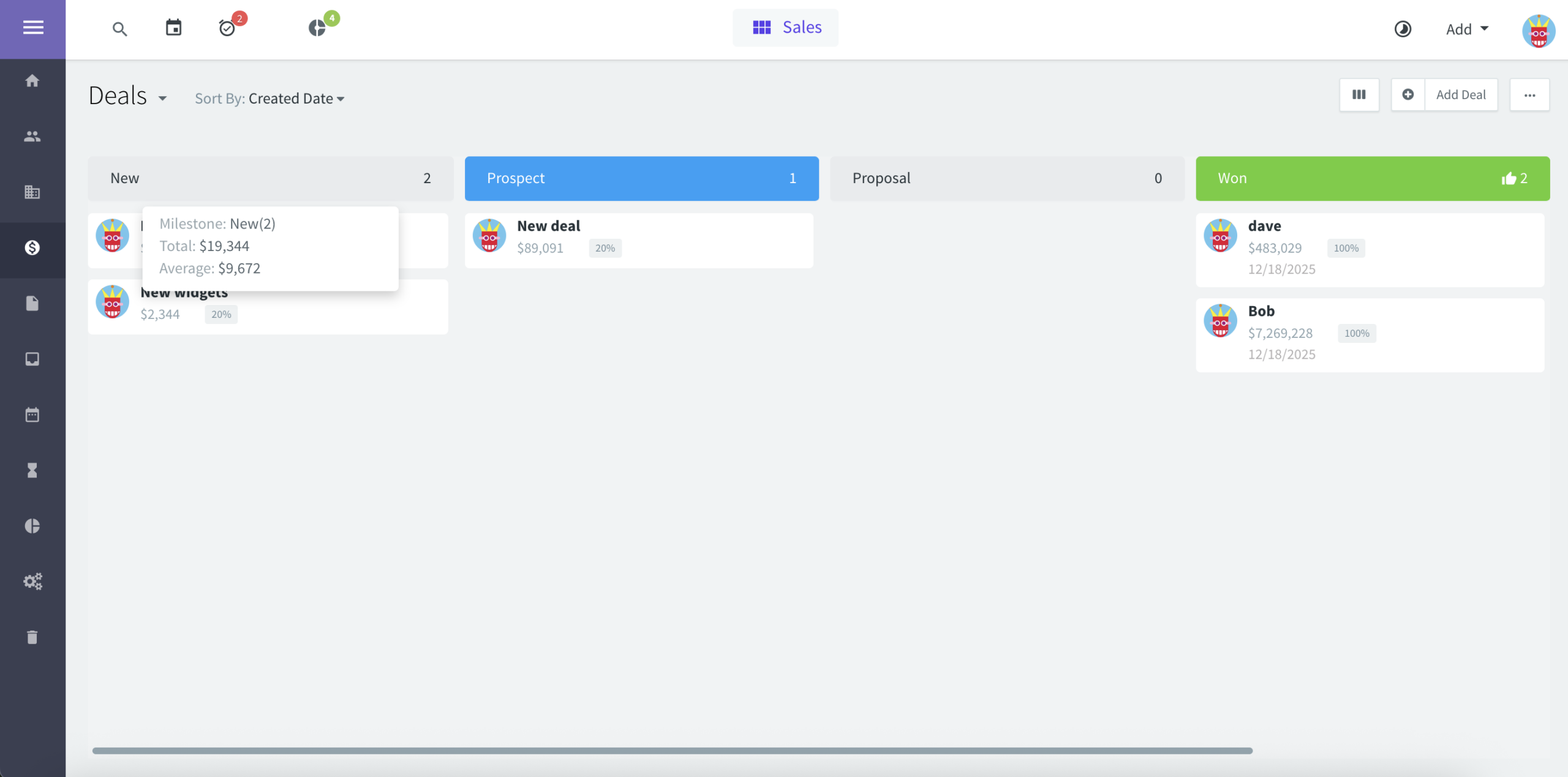
Agile CRM, launched in 2013, offers a comprehensive platform designed specifically for small to medium-sized businesses. By integrating sales, marketing, and customer service into a single system, it aims to streamline operations and enhance efficiency across various business processes. With a free plan supporting up to 10 users, Agile CRM stands out in the competitive landscape of small business software.
Upon initial examination, the platform impresses with its affordability and extensive feature set. However, users may encounter challenges with its user interface and overall experience. While Agile CRM boasts a multitude of functionalities, navigating the system can feel cumbersome compared to more established customer relationship management (CRM) solutions.
Core Features of Agile CRM
Agile CRM provides a robust suite of core capabilities essential for effective customer relationship management. Detailed contact profiles allow users to store and manage extensive information on customers and prospects. The system’s 360-degree contact views offer a comprehensive overview of each relationship, encompassing communication history, deals, tasks, and more.
Lead management is simplified with a lead scoring feature that automatically evaluates contacts based on their interactions and characteristics. This functionality assists businesses in prioritizing follow-ups. Additionally, Agile CRM permits the creation of custom deal milestones and stages, aligning with specific sales processes. The visual pipeline view facilitates the easy movement of deals between stages, providing a quick snapshot of the sales funnel.
While sales forecasting tools provide basic revenue projections based on deal values and probabilities, they may not meet the needs of larger organizations. Small businesses with straightforward forecasting requirements will likely find the tools adequate.
Reporting capabilities display both advantages and drawbacks. Agile CRM offers several pre-built reports covering sales, marketing, and service metrics, as well as the ability to create custom reports and dashboards. However, the depth of data analysis and visualization options is limited compared to some competitors.
Mobile users benefit from Agile CRM’s app, available on both iOS and Android. The app is responsive and well-designed, allowing users to manage contacts, deals, and tasks while on the move. This capability is particularly valuable for field sales and remote work environments.
Agile CRM distinguishes itself by integrating robust marketing tools, including email marketing, landing page creation, and campaign management. The drag-and-drop campaign builder enables users to develop multi-step marketing workflows. Additionally, Agile CRM includes ticketing and customer feedback tools, allowing businesses to manage customer support directly within the platform. The introduction of gamification features, which motivate sales teams through contests and leaderboards, adds an engaging element to the CRM experience.
User Experience and Support
Agile CRM strikes a balance between functionality and ease of use, primarily targeting small businesses. The dashboard is clean and intuitive, featuring a left-side menu for quick access to essential functions like contacts, deals, and marketing. The drag-and-drop interface enhances navigation, particularly within the marketing automation module.
Despite its user-friendly design, the learning curve for Agile CRM varies based on individual familiarity with CRM systems. The platform provides many customization options, enabling users to tailor the interface to their specific needs, including custom fields and personalized dashboards. However, this flexibility can introduce complexity for less technically inclined users.
Accessibility features are included, such as keyboard navigation and readable font sizes. Yet, comprehensive information regarding screen reader compatibility and advanced accessibility options is not readily available. Agile CRM offers a range of onboarding and training resources, including a knowledge base, video tutorials, and webinars. Nevertheless, the depth and quality of these resources can vary across topics.
Context-sensitive help appears within the software, displaying relevant articles and tips as users navigate different sections. This feature can significantly reduce the time spent searching for information, facilitating quicker user adoption.
Despite the positives, some users report that certain elements of the software feel outdated compared to modern CRMs. The integration of numerous features can sometimes lead to a less polished user experience.
Agile CRM supports a variety of third-party application integrations, enhancing its functionality. Users can connect the platform through pre-built connectors, iPaaS vendors like Zapier, or custom integrations using the API. Agile CRM provides direct connections to popular business tools, including email services, social media platforms, and e-commerce solutions. The availability of real-time and scheduled data syncing options ensures reliability when connecting with external systems.
Customer support is offered through a combination of live assistance and self-service options. While email support is the primary channel, response times can vary. Users often receive initial replies within 24 hours, but more complex issues may take longer to resolve. Phone support is available but may not be easily accessible.
Despite limited live support options, Agile CRM’s self-service ecosystem is extensive. The knowledge base covers topics from basic setup to advanced features, while video tutorials and webinars provide interactive learning opportunities. A community forum allows users to engage with each other, enhancing the support experience.
User feedback regarding support quality is mixed, with some praising the helpfulness of staff while others express frustration over response times and the depth of assistance provided.
Pricing Structure
Agile CRM employs a tiered subscription model, offering four plans to accommodate businesses of various sizes. The Free plan supports up to 10 users and 1,000 contacts, providing essential CRM features such as contact management and deal tracking. This plan serves as an extended trial for users considering a paid subscription.
The Starter plan, priced at $8.99 per user per month, increases the contact limit to 10,000 and introduces additional features like two-way email integration. The Regular plan, at $29.99 per user per month, supports up to 50,000 contacts and includes advanced marketing automation capabilities.
The Enterprise plan, available for $47.99 per user per month, offers unlimited contacts and access to the full suite of Agile CRM features. Significant discounts are available for annual billing, ranging from 33% to 40% compared to monthly rates. The platform also provides a 14-day free trial for its paid plans, allowing users to experience the full feature set before committing.
Agile CRM’s strengths lie in its affordability and scalability, making it an appealing option for small to medium-sized businesses seeking a feature-rich CRM solution. While the user experience may require refinement, the available training resources facilitate user adoption.

UK Lawmakers Gain Access to In-Depth Climate Risk Scenarios

Clinton Proposed Epstein and Maxwell at 2002 Royal Wedding

Urgent Update: NYC Faces Nearly 14,000 Flu Cases This Week

Yankees Eye Trade for Jazz Chisholm Jr. to Land $100M All-Star

Urgent Manhunt Continues for Brown University Shooter; Public Help Needed

Bryce Huff’s Sack Performance Tracker After Eagles Trade

Pennsylvania Lawmakers Introduce ‘Purple Alert’ for Missing Disabled

Agile CRM Delivers Affordable Solutions for Small Businesses

South Park Season 28 Concludes Early; No New Episode This Week

Urgent Update: Tom Aspinall’s Vision Deteriorates After UFC 321

University of Hawaiʻi Joins $25.6M AI Project to Enhance Disaster Monitoring

MIT Scientists Uncover Surprising Genomic Loops During Cell Division

AI Disruption: AWS Faces Threat as Startups Shift Cloud Focus

Time Crystals Revolutionize Quantum Computing Potential

Discover the Full Map of Pokémon Legends: Z-A’s Lumiose City

GOP Faces Backlash as Protests Surge Against Trump Policies

Honeywell Forecasts Record Business Jet Deliveries Over Next Decade

Judge Signals Dismissal of Chelsea Housing Case Citing AI Flaws
-
 Top Stories2 months ago
Urgent Update: Tom Aspinall’s Vision Deteriorates After UFC 321
-
Science2 months ago
University of Hawaiʻi Joins $25.6M AI Project to Enhance Disaster Monitoring
-
 Health2 months ago
MIT Scientists Uncover Surprising Genomic Loops During Cell Division
-
 Top Stories2 months ago
AI Disruption: AWS Faces Threat as Startups Shift Cloud Focus
-
 Science2 months ago
Time Crystals Revolutionize Quantum Computing Potential
-
 Entertainment2 months ago
Discover the Full Map of Pokémon Legends: Z-A’s Lumiose City
-
 Top Stories2 months ago
GOP Faces Backlash as Protests Surge Against Trump Policies
-
 World2 months ago
Honeywell Forecasts Record Business Jet Deliveries Over Next Decade
-
 Politics2 months ago
Judge Signals Dismissal of Chelsea Housing Case Citing AI Flaws
-

 Entertainment2 months ago
Parenthood Set to Depart Hulu: What Fans Need to Know
-

 Top Stories1 month ago
Joleen Chaney, Beloved Journalist, Passes Leaving Lasting Legacy
-

 Sports2 months ago
Yoshinobu Yamamoto Shines in Game 2, Leading Dodgers to Victory