
Health
New Study Debunks Statin Side Effect Myths, Encourages Use

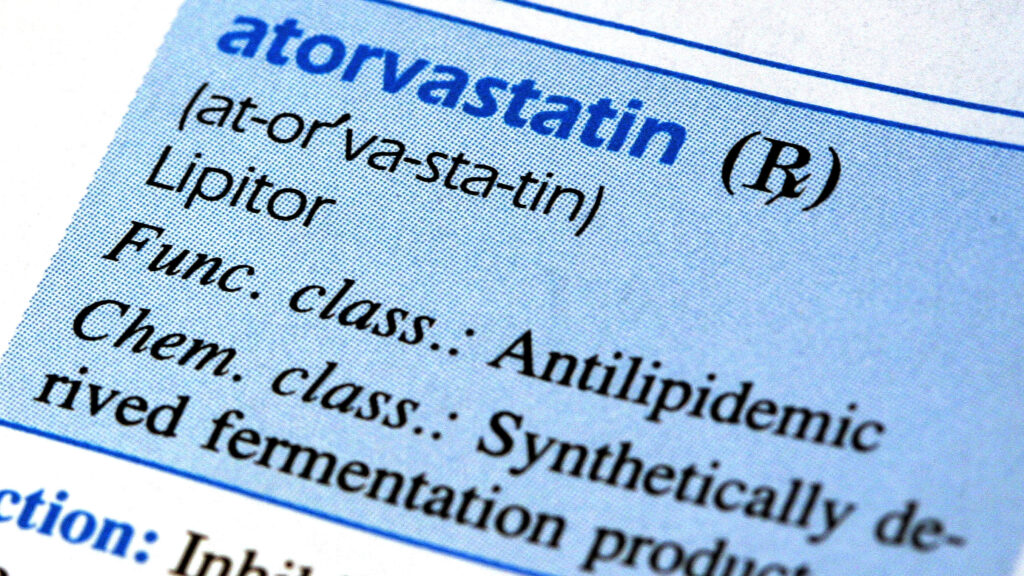
A recent meta-analysis published in The Lancet challenges the prevailing notions about the side effects of statins, a widely prescribed class of cholesterol-lowering medications. The study reveals that most concerns regarding side effects listed on statin packaging are unsupported by credible evidence, potentially encouraging more patients to utilize these vital drugs.
Statins have long been recognized for their ability to significantly reduce levels of low-density lipoprotein (LDL), often referred to as “bad” cholesterol. They can lower the risk of heart attacks and strokes by approximately 25%. Despite their benefits, many individuals who could greatly benefit from statins either do not start taking them or discontinue use due to fears surrounding potential side effects.
The analysis, led by Christina Reith, an associate professor at Oxford Population Health, evaluated data from 19 large randomized clinical trials involving over 122,000 participants. It found that out of 66 potential side effects listed, only four showed any significant correlation with statin use. These include changes in liver tests, minor liver abnormalities, changes in urine, and tissue swelling, all characterized as low-risk.
“Current confusion and concern about statin side effects among both patients and physicians result in many individuals avoiding these medications, even when they are at high risk for cardiovascular events,” Reith stated during a media briefing. “Our findings indicate that there is no significant excess risk associated with statins for almost all the conditions listed as potential side effects.”
Reassessing Statins and Their Impact
While statins are effective in preventing cardiovascular disease, their reputation has been marred by misconceptions about side effects. The analysis highlighted that muscle pain, a commonly cited issue, affects only 1% of users, and the increase in blood sugar levels typically occurs in those already at risk for type 2 diabetes.
In a blinded study cited by the authors, both 0.2% of statin users and placebo users reported experiencing brain fog, emphasizing the lack of association between statin use and many alleged side effects. This suggests that the perceived risks may be overstated.
The study’s findings align with new recommendations from the American College of Cardiology and the American Heart Association, which are expected to release updated guidelines later this year. These guidelines are anticipated to encourage earlier intervention with statins for individuals aged 30 to 59 who may have a considerable long-term risk of heart attack or stroke.
In a related paper published in Circulation: Population Health and Outcomes, researchers applied recent PREVENT equations to a younger demographic, discovering that 9% of individuals in this age group had an elevated estimated 30-year risk of cardiovascular events. This could lead to advising an additional 2.5 million adults to consider statin therapy.
Addressing Patient Concerns
While statins have a proven track record in reducing cardiovascular events, concerns regarding their long-term use persist. Some patients express apprehension over side effects, including muscle soreness and rare conditions such as rhabdomyolysis.
The findings in The Lancet reinforce that while some patients may experience health events while taking statins, these occurrences are not necessarily caused by the medication. The researchers confirmed that there was no increase in conditions such as memory loss, sleep disturbances, or headaches attributable to statin use.
Experts, including Kausik Ray from Imperial College London, note that the warnings associated with statin therapy often come from post-marketing observations lacking control data. This highlights the need for robust analysis free from confounding factors that can arise in observational studies.
As healthcare professionals navigate patient conversations, the study provides valuable data to address concerns surrounding statin side effects. Timothy Anderson, an assistant professor of medicine at University of Pittsburgh Medical Center, emphasizes the importance of building trust between patients and doctors.
“Understanding the nuances of these medications can help patients feel more comfortable in their treatment decisions,” Anderson stated. “The ongoing dialogue about the benefits of statins versus their risks is crucial in ensuring that individuals at high risk receive the preventive care they need.”
By clarifying the actual risks associated with statin use, this meta-analysis aims to contribute to a more informed perspective on cholesterol management and cardiovascular health. As healthcare systems evolve, the focus remains on fostering patient trust and understanding in the face of long-standing misconceptions.

Clearwater Project Tunnel Update: Conditions Stable After Breach

Torrey Pines Soars to Victory Over La Costa Canyon, 3-1

Researchers Develop Method to Predict Glacier Surges and Ecosystem Changes

Chicago Mayor’s Immigration Order Faces Critical Backlash Today

Toheeb Jimoh Discusses His Role in Industry and Season Four Spoilers

Ocasio-Cortez and New York Democrats Endorse Hochul for Reelection

HBO Max Welcomes Iconic Comedy Series “Schitt’s Creek” on February 7

Mother Sues Tesla After Son’s Tragic Death in Burning Car

Researchers Discover Method to Resensitize Chemo-Resistant Cancer Cells

University of Hawaiʻi Joins $25.6M AI Project to Enhance Disaster Monitoring

Joleen Chaney, Beloved Journalist, Passes Leaving Lasting Legacy

Urgent Update: Tom Aspinall’s Vision Deteriorates After UFC 321

Major Grant Enhances Cancer Care and Research in Hawaiʻi

MIT Scientists Uncover Surprising Genomic Loops During Cell Division

Trulioo Introduces KYA to Revolutionize Digital Verification

AI Disruption: AWS Faces Threat as Startups Shift Cloud Focus

Discover the Full Map of Pokémon Legends: Z-A’s Lumiose City

Time Crystals Revolutionize Quantum Computing Potential
-
Science3 months ago
University of Hawaiʻi Joins $25.6M AI Project to Enhance Disaster Monitoring
-
 Top Stories3 months ago
Joleen Chaney, Beloved Journalist, Passes Leaving Lasting Legacy
-
 Top Stories3 months ago
Urgent Update: Tom Aspinall’s Vision Deteriorates After UFC 321
-
 Health2 months ago
Major Grant Enhances Cancer Care and Research in Hawaiʻi
-
 Health4 months ago
MIT Scientists Uncover Surprising Genomic Loops During Cell Division
-
 Business3 months ago
Trulioo Introduces KYA to Revolutionize Digital Verification
-
 Top Stories4 months ago
AI Disruption: AWS Faces Threat as Startups Shift Cloud Focus
-
 Entertainment4 months ago
Discover the Full Map of Pokémon Legends: Z-A’s Lumiose City
-
 Science4 months ago
Time Crystals Revolutionize Quantum Computing Potential
-

 World4 months ago
Honeywell Forecasts Record Business Jet Deliveries Over Next Decade
-

 Entertainment4 months ago
Parenthood Set to Depart Hulu: What Fans Need to Know
-

 Sports4 months ago
Mel Kiper Jr. Reveals Top 25 Prospects for the 2026 NFL Draft