
Health
Unpacking Trauma: Exploring the Lasting Effects on Health

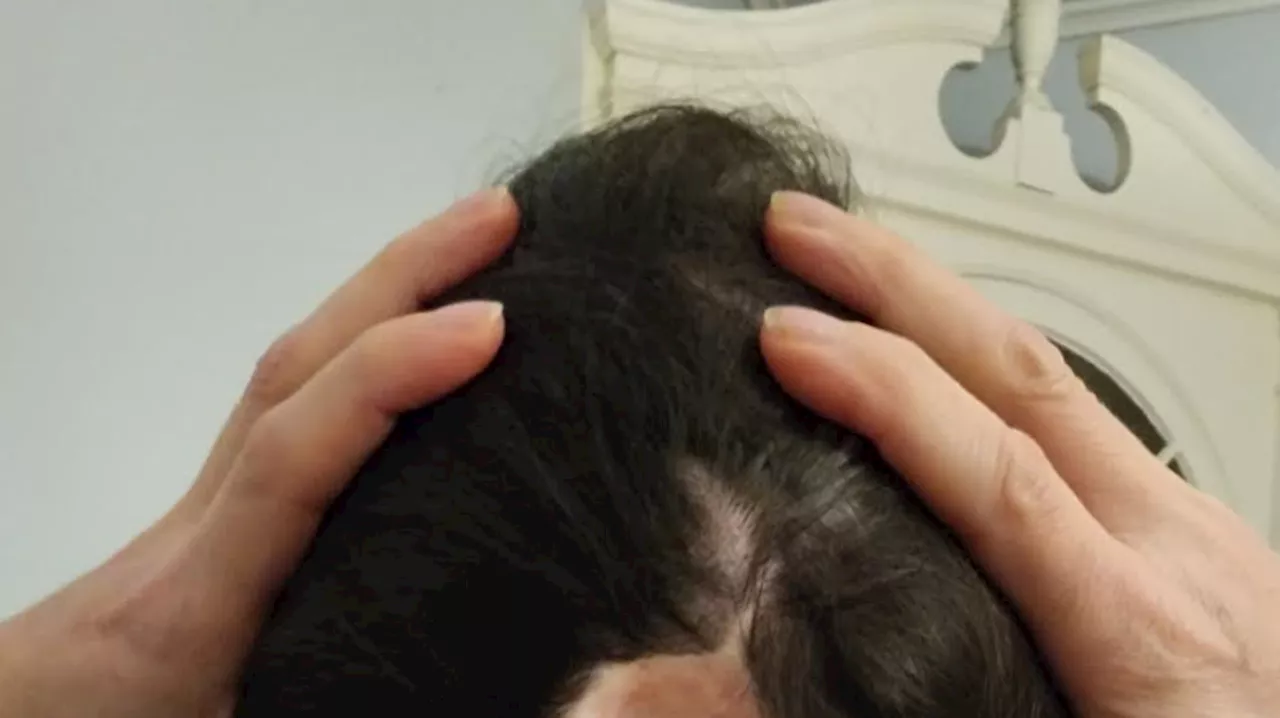
Chronic pain can often be a puzzle, with its roots buried in past experiences. For Jennifer Young, a long-term melanoma survivor, the connection between her childhood surgery and current health complications has become increasingly evident. Young, now 38, shares her journey of grappling with chronic neck pain and how it intertwines with her medical history, shedding light on the enduring effects of trauma.
In her exploration, Young recounts a significant medical event from her past: the removal of a malignant tumor at the base of her skull. This surgery, which took place when she was just 19, involved not only the excision of a tumor but also an unexpected removal of part of her occipital bone. Years later, she is confronting the possibility that this early trauma may be a contributor to her current diagnosis of degenerative disc disease in her cervical spine, a condition described by her neurologist as severe enough to resemble the wear and tear of someone who had engaged in intense physical labor.
During a recent acupuncture session, Young shared her medical history with her acupuncturist, Jade, who suggested that the neck pain could stem from the old surgical trauma. As Jade carefully examined the area around Young’s neck, she emphasized the importance of recognizing and treating old injuries to facilitate true healing. Young reflects on this, stating, “It isn’t until we uncover old trauma like this and begin to treat it that we can truly heal.”
The impact of trauma is far-reaching. According to statistics, approximately 70% of adults in the U.S. have experienced some form of traumatic event at least once in their lives. This equates to around 235.1 million people grappling with the potential psychological and physical consequences of their experiences. While some may forget these traumas, others, like Young, find themselves constantly navigating the aftermath of their past.
Young’s insights reveal a deeper narrative about the intersection of emotional and physical health. She notes, “Your body expresses what your mind suppresses,” reflecting on how unaddressed emotions can manifest as physical ailments. This connection has prompted her to reconsider her own experiences and their lasting implications.
As she sat with Jade, Young recognized the importance of reconnecting with her past self—the young woman who faced cancer while navigating the complexities of young adulthood. Each of her four children mirrors aspects of her own journey, raising questions about resilience and identity during challenging times.
The acupuncture session served as a catalyst for self-reflection. Young acknowledged that memories of her youth—how she adapted to physical changes and emotional challenges—remain intertwined with her present. She noted, “I still have to borrow wisps of hair to cover the bald spot from my surgery.” This realization led her to confront the emotional scars that have lingered alongside her physical ones.
Professionals in the field, including those like psychiatrist and author Bessel van der Kolk, highlight the necessity of addressing the emotional repercussions of trauma. In his book, “The Body Keeps the Score,” he discusses how trauma often involves a lack of acknowledgment and understanding, which can hinder one’s healing process. Young’s journey underscores the significance of recognizing and embracing both physical and emotional scars as integral components of her identity.
Since her acupuncture appointment, Young has taken proactive steps to engage with her past. She has begun reflecting on her experiences, writing about them, and participating in discussions that she previously avoided. One notable moment was her decision to share a survivor profile on social media, which included a photo of her surgical scar. This act of vulnerability connected her with a community of individuals who have also faced cancer, reinforcing the idea that healing involves both self-acceptance and shared experiences.
As Young continues her journey, she emphasizes that true healing requires acknowledging every part of oneself. She believes that scars, whether visible or hidden, are stories that deserve to be told. Her narrative illustrates that the path to recovery is not solely about overcoming pain but also about embracing the entirety of one’s journey.
Jennifer Young is currently working on a memoir that reflects her experiences with love, illness, and the long quest to reclaim her identity. A writing professor, she teaches students the importance of finding their voice while navigating their own personal stories. Residing in New York with her family and a beloved dog, she is committed to fostering conversations about trauma and healing in both personal and public spheres.

Mohamed Salah’s Liverpool Future in Jeopardy After Shocking Comments

Duke Battles No. 17 Virginia for ACC Football Title Tonight

Serious Injuries in Clovis Multi-Vehicle Collision Involving E-Scooter

Sizable Deer Hunts Mark Days Five and Six of Massachusetts Season

SHINee’s Key Linked to Scandal After Comedian’s Alleged Misconduct

Unpacking Trauma: Exploring the Lasting Effects on Health

John DiBiaso Celebrates Fourth Super Bowl Win with Catholic Memorial

Trump Honors Icons with Kennedy Center Medals in Oval Office

New Antibody 77A Enhances Immune Response Against Cancer

Urgent Update: Tom Aspinall’s Vision Deteriorates After UFC 321

University of Hawaiʻi Joins $25.6M AI Project to Enhance Disaster Monitoring

MIT Scientists Uncover Surprising Genomic Loops During Cell Division

AI Disruption: AWS Faces Threat as Startups Shift Cloud Focus

Time Crystals Revolutionize Quantum Computing Potential

Discover the Full Map of Pokémon Legends: Z-A’s Lumiose City

Parenthood Set to Depart Hulu: What Fans Need to Know

GOP Faces Backlash as Protests Surge Against Trump Policies

Honeywell Forecasts Record Business Jet Deliveries Over Next Decade
-
 Top Stories1 month ago
Urgent Update: Tom Aspinall’s Vision Deteriorates After UFC 321
-
Science1 month ago
University of Hawaiʻi Joins $25.6M AI Project to Enhance Disaster Monitoring
-
 Health2 months ago
MIT Scientists Uncover Surprising Genomic Loops During Cell Division
-
 Top Stories2 months ago
AI Disruption: AWS Faces Threat as Startups Shift Cloud Focus
-
 Science2 months ago
Time Crystals Revolutionize Quantum Computing Potential
-
 Entertainment2 months ago
Discover the Full Map of Pokémon Legends: Z-A’s Lumiose City
-
 Entertainment2 months ago
Parenthood Set to Depart Hulu: What Fans Need to Know
-
 Top Stories2 months ago
GOP Faces Backlash as Protests Surge Against Trump Policies
-
 World2 months ago
Honeywell Forecasts Record Business Jet Deliveries Over Next Decade
-

 Politics2 months ago
Judge Signals Dismissal of Chelsea Housing Case Citing AI Flaws
-

 Health2 months ago
Maine Insurers Cut Medicare Advantage Plans Amid Cost Pressures
-

 Sports2 months ago
Yoshinobu Yamamoto Shines in Game 2, Leading Dodgers to Victory