
Science
$20,000 NEO Robot Servant Demands Human Oversight

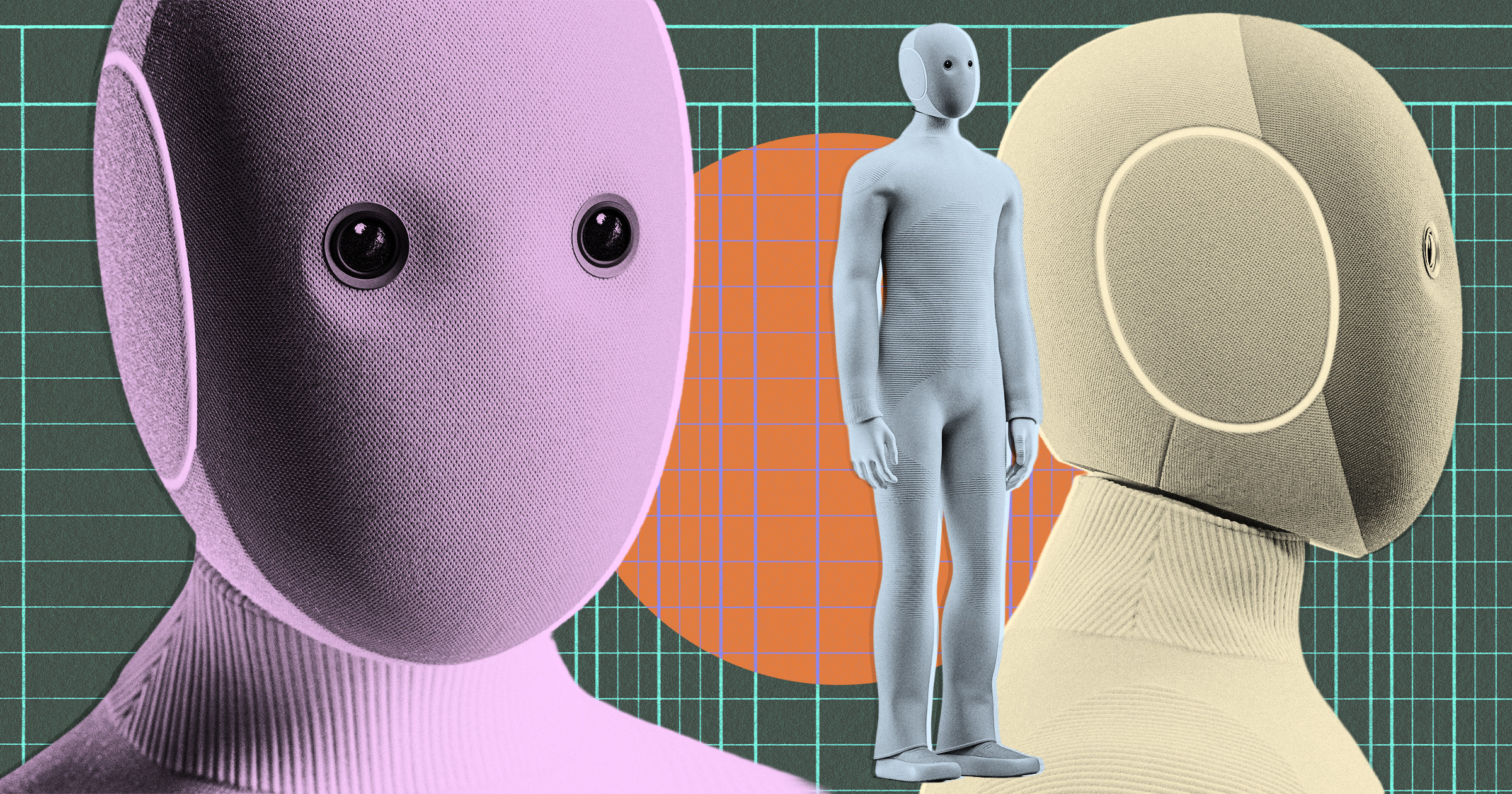
In 2026, a new robotic assistant designed to alleviate household chores is set to hit the market, but it comes with a significant caveat. The NEO robot, developed by the Palo Alto-based startup 1X, requires human oversight to function. Priced at $20,000, this robot is not the autonomous helper many had hoped for, as it operates with the assistance of remote workers.
The NEO is currently in its preorder phase, with a reservation fee of $200. Once the robot is delivered, users can choose between a subscription model costing $499 per month or a one-time payment of $20,000. Weighing 66 pounds and standing at 5 feet 6 inches, the NEO comes in various shades, including tan, gray, and dark brown.
Human Interaction Required for Operations
Designed by Bernt Børnich, founder and CEO of 1X, the NEO aims to provide a friendly solution to the “hard, dark, sci-fi future” often depicted in robotics. Instead, Børnich envisions a more approachable robot that integrates into daily life. However, the operational model relies heavily on human input. Users must download an app to schedule tasks for the robot, which will then be carried out by remote operators who can see and interact with the environment.
Børnich acknowledged the need for data collection during an interview with the Wall Street Journal. He stated, “If we don’t have your data, we can’t make the product better.” The NEO will not only be remote-controlled but will also gather data from its environment to enhance its artificial intelligence capabilities. This means that while the NEO may eventually learn to perform tasks autonomously, its initial functionality will depend on human supervision.
Challenges Ahead for Humanoid Robotics
Despite the excitement surrounding the NEO, its limitations highlight ongoing challenges in the field of humanoid robotics. Tech journalist Michael Hiltzik emphasizes that even advanced robotic models struggle with basic tasks, such as navigating home environments or safely handling fragile objects. The promise of a fully autonomous robot butler still appears to be a distant reality.
Critics argue that projects like the NEO and Tesla’s Optimus are more focused on capitalizing on technological hype than on delivering practical solutions for consumers. The current state of humanoid robotics suggests that while significant advancements are occurring in industrial applications, the journey toward household robotics remains fraught with obstacles.
For now, those looking to ease their household burdens may find that the most effective solution is still human assistance. As the NEO begins shipping next year, early adopters will need to adjust to the reality that their robotic companion may require more human interaction than anticipated.

Philadelphia Parks Launch Free Earth Month Events Starting April 1

Bradford’s Fish Fry Fridays Serve Community with Delicious Dinners

Trump Faces Growing Challenges Amid Rising Tensions with Iran

Scientists Probe the Universe’s Missing Topological Defects

Samsung Galaxy Watch 9 to Feature Larger 435mAh Battery

UConn Huskies Aim to Defend Title in 2026 NCAA Women’s Tournament

U.S. Littoral Combat Ships Dock in Malaysia Amid Regional Tensions

Healthy Choice Wellness Reports Quarterly Earnings, Shares Rise

Urgent News: Charles M. Payment Passes Away at 78 in Duluth

University of Hawaiʻi Joins $25.6M AI Project to Enhance Disaster Monitoring

Joleen Chaney, Beloved Journalist, Passes Leaving Lasting Legacy

Major Grant Enhances Cancer Care and Research in Hawaiʻi

Discover Top Business Smartphones for Professionals in 2026

Urgent Update: Tom Aspinall’s Vision Deteriorates After UFC 321

Texas Roadhouse Honors Veterans with Free Meal Vouchers

San Francisco’s SFO to Welcome 16 Airlines with Nonstop Flights to Europe in 2026

MIT Scientists Uncover Surprising Genomic Loops During Cell Division

Goldman Sachs Unveils 2026 Catalyst Playbook for Biotech Investors
-
Science7 months ago
University of Hawaiʻi Joins $25.6M AI Project to Enhance Disaster Monitoring
-
 Top Stories7 months ago
Joleen Chaney, Beloved Journalist, Passes Leaving Lasting Legacy
-
 Health6 months ago
Major Grant Enhances Cancer Care and Research in Hawaiʻi
-
 Business6 months ago
Discover Top Business Smartphones for Professionals in 2026
-
 Top Stories7 months ago
Urgent Update: Tom Aspinall’s Vision Deteriorates After UFC 321
-
 Lifestyle7 months ago
Texas Roadhouse Honors Veterans with Free Meal Vouchers
-
 World5 months ago
San Francisco’s SFO to Welcome 16 Airlines with Nonstop Flights to Europe in 2026
-
 Health8 months ago
MIT Scientists Uncover Surprising Genomic Loops During Cell Division
-
 Business6 months ago
Goldman Sachs Unveils 2026 Catalyst Playbook for Biotech Investors
-

 Entertainment8 months ago
Discover the Full Map of Pokémon Legends: Z-A’s Lumiose City
-

 Business7 months ago
Trulioo Introduces KYA to Revolutionize Digital Verification
-

 Top Stories8 months ago
AI Disruption: AWS Faces Threat as Startups Shift Cloud Focus