
Science
Conservationists Urge New Rules as Exotic Pet Trade Surges

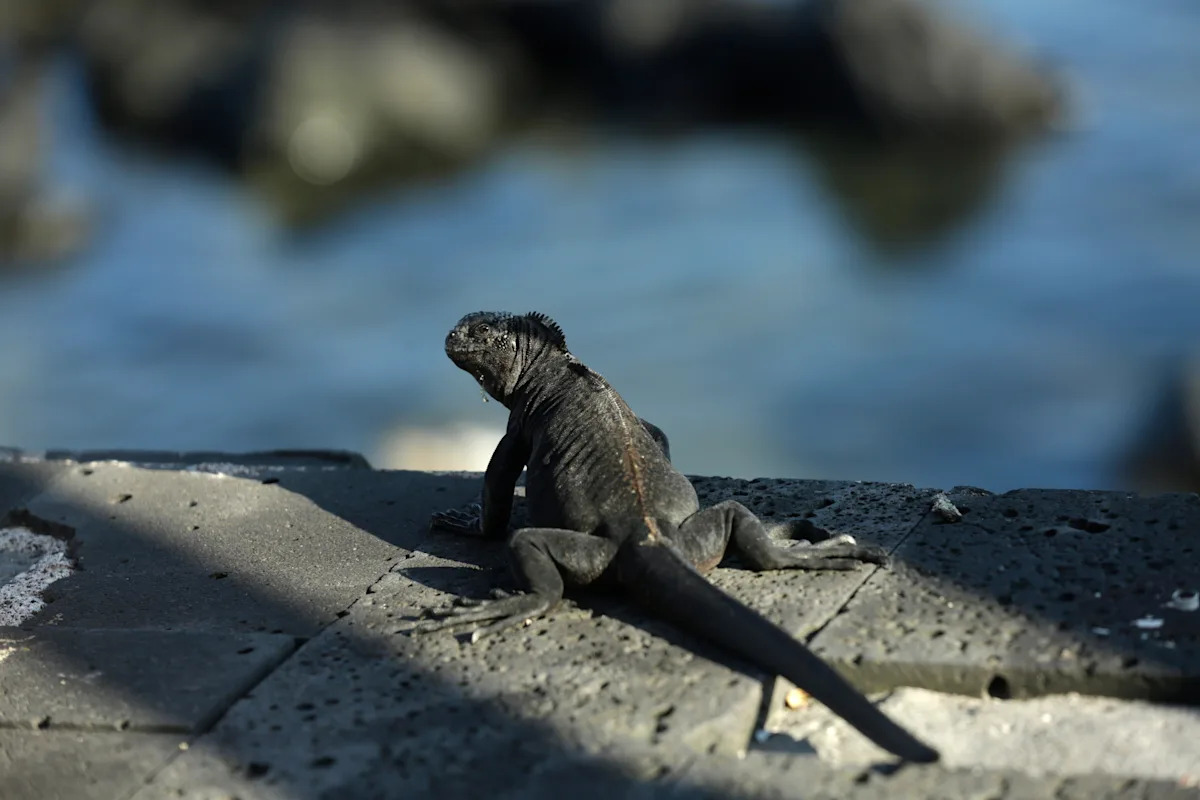
A rising demand for exotic pets has prompted conservationists to advocate for stricter regulations at the ongoing Convention on International Trade in Endangered Species of Wild Fauna and Flora (CITES), taking place in Samarkand, Uzbekistan, until October 27, 2023. The two-week conference will address proposals aimed at protecting various species increasingly threatened by the burgeoning online pet trade.
As people turn to internet marketplaces and social media to acquire rare animals, the impact on wildlife is alarming. Participants at the conference will consider proposals for tighter regulations or outright bans on the trade of several endangered species, including iguanas from the Galapagos Islands and numerous tarantula species from Latin America. According to Susan Lieberman, vice president for international policy at the Wildlife Conservation Society, the shift towards online purchases has made it easier for consumers to access a wide range of reptiles, amphibians, and birds, often without regard for legality or conservation status.
The growth of online platforms has changed the landscape of wildlife trade, moving away from traditional sales of animal parts like elephant ivory and tiger bones. Matt Collis, senior director of international policy at the International Fund for Animal Welfare, emphasized that the convenience of online shopping has facilitated direct connections between consumers and wildlife traffickers. “In today’s society, where pretty much anything can be bought with a click of a button, no wildlife is safe,” Collis stated.
As the illegal trade gains momentum, especially in Latin America, a report by the IFAW highlighted that over 100,000 animals were seized or poached between 2017 and 2022 across 18 Spanish-speaking countries. The report noted that the live pet trade is increasingly significant, with reptiles making up about 60% of the seized animals, followed by birds and amphibians. Evidence suggests that many of these animals are not only traded locally but also shipped to collectors in Europe, Asia, and the United States.
Concerns are particularly acute for the Home’s Hinged-back Tortoise, a critically endangered species native to West Africa. Proposals at CITES seek to impose tighter controls on the trade of this unique turtle and other endangered reptiles, including two viper species from Ethiopia and several species of sloths from South America. These sloths have become popular in sloth-themed cafes across Asia, further driving demand.
Ecuador has proposed a ban on the trade of marine and land iguanas from the Galapagos Islands, which are classified as critically endangered or vulnerable by the International Union for Conservation of Nature. The country has raised alarms over the illegal capture of young iguanas, often misrepresented as captive-bred to evade regulations. These iguanas can fetch prices of up to $25,000 on the black market, primarily destined for markets in Japan and other Asian nations.
The United States has expressed support for many of the proposed protections, including those for iguanas and sloths, but has opposed the inclusion of rattlesnake species in the tighter regulations. The CITES framework allows for species to be banned in their home regions while still being sold online, a loophole that traffickers exploit. Collis noted that many countries issue permits without verifying the origins of animals, undermining the conservation efforts that CITES aims to uphold.
The proposals at this year’s conference are not without controversy. The United States Association of Reptile Keepers has voiced concerns that the suggested regulations could overreach, arguing that current laws already provide adequate protections for many species. David Garcia, the organization’s legal counsel, stated that existing regulations sufficiently limit the trade of captive-bred specimens and that additional proposals could hinder responsible ownership and trade practices.
A report from the Center for Biological Diversity, set to be released on December 8, 2023, indicates that the United States is one of the largest markets for exotic pets, importing an estimated 90 million live animals each year. This situation highlights the urgent need for action to address the pet trade’s contribution to the global extinction crisis, as one million species are projected to face extinction in the coming decades without significant intervention.
As conservationists push for new regulations at CITES, the balance between protecting endangered species and meeting consumer demand for exotic pets remains a contentious issue. The outcomes of the conference could shape the future of wildlife conservation and the exotic pet trade for years to come.

Jamal Murray Sprains Ankle in Nuggets’ Urgent Loss to Mavericks

Transform Your Fitness Routine with This 20-Minute Low-Impact Workout

Creative Writing Student Explores Love Through Poetry

Borneo Elections Challenge Anwar Ibrahim’s Government Stability

Urgent Update: Sabah Election Deal Shakes Anwar’s Government

Conservationists Urge New Rules as Exotic Pet Trade Surges

Vanderbilt Football Claims Pop-Tarts Team of the Week Honor

Southwest Airlines Changes Seating Policy, Impacting Plus-Size Passengers

Trial Begins for Merrillville Man Charged in Girlfriend’s Murder

Urgent Update: Tom Aspinall’s Vision Deteriorates After UFC 321

MIT Scientists Uncover Surprising Genomic Loops During Cell Division

University of Hawaiʻi Joins $25.6M AI Project to Enhance Disaster Monitoring

AI Disruption: AWS Faces Threat as Startups Shift Cloud Focus

Time Crystals Revolutionize Quantum Computing Potential

Honeywell Forecasts Record Business Jet Deliveries Over Next Decade

Discover the Full Map of Pokémon Legends: Z-A’s Lumiose City

GOP Faces Backlash as Protests Surge Against Trump Policies

Parenthood Set to Depart Hulu: What Fans Need to Know
-
 Top Stories1 month ago
Urgent Update: Tom Aspinall’s Vision Deteriorates After UFC 321
-
 Health2 months ago
MIT Scientists Uncover Surprising Genomic Loops During Cell Division
-
Science4 weeks ago
University of Hawaiʻi Joins $25.6M AI Project to Enhance Disaster Monitoring
-
 Top Stories2 months ago
AI Disruption: AWS Faces Threat as Startups Shift Cloud Focus
-
 Science2 months ago
Time Crystals Revolutionize Quantum Computing Potential
-
 World2 months ago
Honeywell Forecasts Record Business Jet Deliveries Over Next Decade
-
 Entertainment2 months ago
Discover the Full Map of Pokémon Legends: Z-A’s Lumiose City
-
 Top Stories2 months ago
GOP Faces Backlash as Protests Surge Against Trump Policies
-
 Entertainment2 months ago
Parenthood Set to Depart Hulu: What Fans Need to Know
-

 Politics2 months ago
Judge Signals Dismissal of Chelsea Housing Case Citing AI Flaws
-

 Sports2 months ago
Yoshinobu Yamamoto Shines in Game 2, Leading Dodgers to Victory
-

 Health2 months ago
Maine Insurers Cut Medicare Advantage Plans Amid Cost Pressures