
Science
Digital Archaeology Uncovers Hidden Treasures of Pompeii

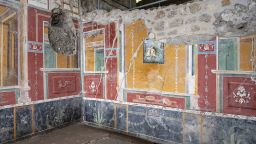
Researchers have recently unveiled significant discoveries in Pompeii, an ancient city buried by the eruption of Mount Vesuvius in AD 79. Utilizing cutting-edge digital archaeology techniques, they are revealing the intricacies of what has been termed the “lost Pompeii.” This innovative approach combines remote sensing technology, close-range photography, and traditional archaeological methods to uncover previously hidden structures and details about daily life in this once-thriving Roman city.
The catastrophic eruption covered Pompeii in a thick layer of ash and volcanic debris, preserving much of its architecture and artifacts. Excavations have been ongoing since 1748, revealing a wealth of information about the city’s inhabitants, including the remnants of decorative frescoes and the tragic stories of those who perished. Yet, questions about the complete architectural landscape of Pompeii remained, particularly regarding how its citizens lived and interacted within their environment.
Dr. Susanne Muth, co-lead study author and professor at Humboldt University in Berlin, emphasized the importance of reconstructing lost architecture. “By reconstructing the lost architecture, we gain a more nuanced and historically accurate understanding of the ancient city and life within it,” she stated. The latest findings, published in the E-Journal of the Excavations of Pompeii, could reshape our perception of Pompeii’s skyline.
Uncovering the Past with Technology
Muth’s inspiration came during a visit to Pompeii in 2022, where she recognized the challenges posed by climate change on the preservation of the site. She proposed a non-invasive digital reconstruction project to help protect Pompeii’s cultural heritage while enhancing our understanding of its history. The Archaeological Park of Pompeii partnered with her team, leveraging advanced techniques like LiDAR scans and 3D modeling to document the existing ruins.
Using these technologies, researchers can identify clues that indicate missing architectural elements. For instance, holes in walls suggest the presence of upper floors or staircases that have since vanished. One of the prominent sites of interest has been the Casa del Tiaso, a lavish residence that likely belonged to a wealthy family. Here, a monumental stone staircase leads to what may have been a tower on the upper floor.
Gabriel Zuchtriegel, director of the Archaeological Park, noted that, “The volcanic debris and ash covering Pompeii reached approximately five meters in height,” or about 16 feet. This dimension means that although ground floors have been uncovered, much of the upper architecture remains a mystery.
Insights into Daily Life
As research progresses, it has become clear that the upper floors of homes in Pompeii were not merely simple living spaces. Instead, they housed a wealth of information about the social status and lifestyles of the inhabitants. Muth highlighted that renewed interest in understanding the daily lives of ordinary citizens has led to the discovery of richer furnishings in these upper rooms, previously overlooked during initial excavations.
The Casa del Tiaso stands out for its luxurious features, including grand banquet rooms that open to a garden courtyard. Muth speculated that the owner’s ability to host gatherings at such a residence would have provided significant social standing. The potential presence of a tower suggests that these homes incorporated elements of wealthy villa architecture, which were traditionally thought to be absent from urban structures.
The presence of towers in ancient Roman homes has not been widely investigated. Muth explained that these structures could have served various purposes, from hosting social events to offering elevated views of the city and the Gulf of Naples. This adds a rich layer to our understanding of how the residents of Pompeii sought to express their prestige.
Despite the considerable advancements in understanding Pompeii’s architecture, questions remain about the full extent of the city’s residential structures. The Pompei Reset project continues to search for evidence of other towers and upper floors, aiming to provide a broader picture of urban life in ancient Pompeii.
Zuchtriegel reiterated the project’s commitment to preserving Pompeii’s heritage. “Digital archaeology is much more than simply creating fanciful reconstructions of ancient buildings,” he stated. “It’s a way of understanding how these structures really worked and were used.”
The digital reconstructions not only aid in historical inquiries but also offer a glimpse into the everyday experiences of Pompeii’s inhabitants. By creating virtual walk-throughs of spaces like the Casa del Tiaso, researchers can explore various aspects of life, from grand feasts to the stark conditions faced by workers in adjacent environments.
As the project progresses, Muth aims to digitally reconstruct every room in the Casa del Tiaso, contributing to the ongoing efforts to monitor the conservation state of Pompeii. With over 13,000 rooms excavated since the 18th century and one-third of the site still buried, the work continues to be vital for future generations.
This initiative illustrates how ancient cities like Pompeii can offer valuable insights into human history and urban development. With each discovery, researchers are not only piecing together the past but also ensuring that the cultural heritage of Pompeii is preserved for years to come.

New England Patriots’ Marcus Jones Excels in Film and Football

U.S. Rep. Jasmine Crockett Launches Senate Bid, Reshaping Race

Raccoon Ransacks Virginia Liquor Store, Inspires Cocktails and T-Shirts

FanDuel Casino Launches Bonus Offering 500 Spins and $40 Credits

Rutherford B. Hayes Library Hosts December Book Clubs

Understanding Hair Loss: Insights from Traditional Chinese Medicine

Lincoln Nonprofit Fights Funding Cuts to Support Foster Care Children

FanDuel Casino Launches $40 Bonus and 500 Free Spins NOW!

Incyte’s Experimental Drug Shows Promise for Myelofibrosis Treatment

Urgent Update: Tom Aspinall’s Vision Deteriorates After UFC 321

University of Hawaiʻi Joins $25.6M AI Project to Enhance Disaster Monitoring

MIT Scientists Uncover Surprising Genomic Loops During Cell Division

AI Disruption: AWS Faces Threat as Startups Shift Cloud Focus

Time Crystals Revolutionize Quantum Computing Potential

Discover the Full Map of Pokémon Legends: Z-A’s Lumiose City

Parenthood Set to Depart Hulu: What Fans Need to Know

Honeywell Forecasts Record Business Jet Deliveries Over Next Decade

GOP Faces Backlash as Protests Surge Against Trump Policies
-
 Top Stories1 month ago
Urgent Update: Tom Aspinall’s Vision Deteriorates After UFC 321
-
Science1 month ago
University of Hawaiʻi Joins $25.6M AI Project to Enhance Disaster Monitoring
-
 Health2 months ago
MIT Scientists Uncover Surprising Genomic Loops During Cell Division
-
 Top Stories2 months ago
AI Disruption: AWS Faces Threat as Startups Shift Cloud Focus
-
 Science2 months ago
Time Crystals Revolutionize Quantum Computing Potential
-
 Entertainment2 months ago
Discover the Full Map of Pokémon Legends: Z-A’s Lumiose City
-
 Entertainment2 months ago
Parenthood Set to Depart Hulu: What Fans Need to Know
-
 World2 months ago
Honeywell Forecasts Record Business Jet Deliveries Over Next Decade
-
 Top Stories2 months ago
GOP Faces Backlash as Protests Surge Against Trump Policies
-

 Politics2 months ago
Judge Signals Dismissal of Chelsea Housing Case Citing AI Flaws
-

 Sports2 months ago
Yoshinobu Yamamoto Shines in Game 2, Leading Dodgers to Victory
-

 Health2 months ago
Maine Insurers Cut Medicare Advantage Plans Amid Cost Pressures