
Science
Scientists Develop Biocomputers Using Human Brain Cells

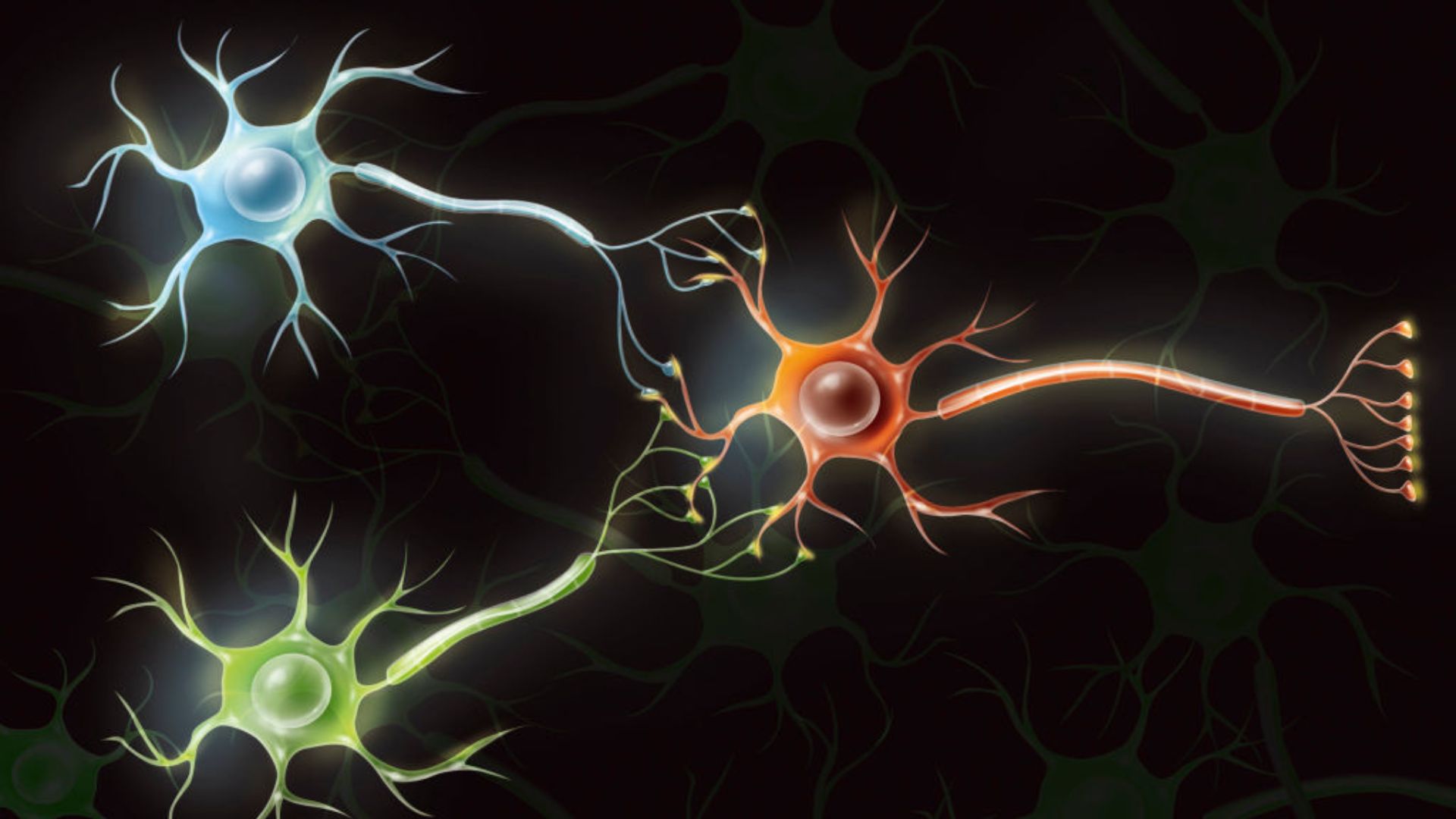
Researchers at the University of California, San Diego have made significant strides in the field of biocomputing by transforming human brain cells into functional computers. This pioneering work, detailed in a recent publication in the IEEE Transactions on Biomedical Engineering, showcases the potential of biologically derived materials to perform computational tasks traditionally handled by electronic devices.
Understanding Biocomputers
A biocomputer utilizes materials such as DNA, proteins, and living tissues, particularly lab-grown neurons, to execute complex calculations. Unlike conventional computers that rely on silicon and metal, these biological systems operate using the intricate processes of living cells, merging biology with technology in a groundbreaking approach.
The research team successfully demonstrated that by programming human brain cells, they could create a system capable of processing information. This innovative method not only marks a significant advancement in computational technology but also opens new avenues for understanding brain function and neural networks.
Implications for Future Technology
The implications of this research extend beyond mere computation. Biocomputers could revolutionize fields such as artificial intelligence, medicine, and environmental science. For instance, they may lead to more efficient data processing systems that mimic brain functions, potentially resulting in smarter AI applications.
Furthermore, the ability to harness human brain cells raises ethical considerations regarding the use of biological materials in technology. As researchers continue to explore this intersection, they must navigate the complex landscape of ethics and safety associated with manipulating living tissues for technological purposes.
The potential applications are vast. Biocomputers could be utilized in medical diagnostics, where they might analyze biological samples more accurately than current technologies. By integrating living cells into computational frameworks, researchers hope to develop systems that can adapt and learn, similar to human thought processes.
As this field develops, ongoing research will focus on improving the efficiency and reliability of biocomputers. The current findings emphasize not only the innovative aspects of biocomputers but also the necessity for thorough investigations into their long-term viability and societal impact.
In conclusion, the groundbreaking research at the University of California, San Diego represents a remarkable step forward in the domain of biocomputing. As scientists harness the power of human brain cells, the future of technology may be redefined, paving the way for a new era of biological computing.

13 New K-9 Teams Graduate, Joining Police Forces in CT & MA

New Haven’s Oyster Harbor Village Project Unveiled: 70 Units Planned

Afrikaners Gain Unprecedented Access to US Officials in Pretoria

Analysts Recommend “Hold” for Centerspace Shares Amid Market Activity

Nebraska’s Work Ethic Camp Transforms into ICE Detention Center

PBS Faces Funding Cuts: CEO Plans for Future Sustainability

Judy Dworin Unveils “Book Dances” at Hartford Stage on Dec. 8

PBS Faces Funding Crisis After Congress Cuts $1 Billion

Shopify President Urges Shift to Work-Life Harmony Now

Urgent Update: Tom Aspinall’s Vision Deteriorates After UFC 321

University of Hawaiʻi Joins $25.6M AI Project to Enhance Disaster Monitoring

MIT Scientists Uncover Surprising Genomic Loops During Cell Division

AI Disruption: AWS Faces Threat as Startups Shift Cloud Focus

Time Crystals Revolutionize Quantum Computing Potential

Discover the Full Map of Pokémon Legends: Z-A’s Lumiose City

Parenthood Set to Depart Hulu: What Fans Need to Know

GOP Faces Backlash as Protests Surge Against Trump Policies

Honeywell Forecasts Record Business Jet Deliveries Over Next Decade
-
 Top Stories1 month ago
Urgent Update: Tom Aspinall’s Vision Deteriorates After UFC 321
-
Science1 month ago
University of Hawaiʻi Joins $25.6M AI Project to Enhance Disaster Monitoring
-
 Health2 months ago
MIT Scientists Uncover Surprising Genomic Loops During Cell Division
-
 Top Stories2 months ago
AI Disruption: AWS Faces Threat as Startups Shift Cloud Focus
-
 Science2 months ago
Time Crystals Revolutionize Quantum Computing Potential
-
 Entertainment2 months ago
Discover the Full Map of Pokémon Legends: Z-A’s Lumiose City
-
 Entertainment2 months ago
Parenthood Set to Depart Hulu: What Fans Need to Know
-
 Top Stories2 months ago
GOP Faces Backlash as Protests Surge Against Trump Policies
-
 World2 months ago
Honeywell Forecasts Record Business Jet Deliveries Over Next Decade
-

 Politics2 months ago
Judge Signals Dismissal of Chelsea Housing Case Citing AI Flaws
-

 Health2 months ago
Maine Insurers Cut Medicare Advantage Plans Amid Cost Pressures
-

 Sports2 months ago
Yoshinobu Yamamoto Shines in Game 2, Leading Dodgers to Victory