
Science
Scientists Transform Human Brain Cells into Functional Biocomputers

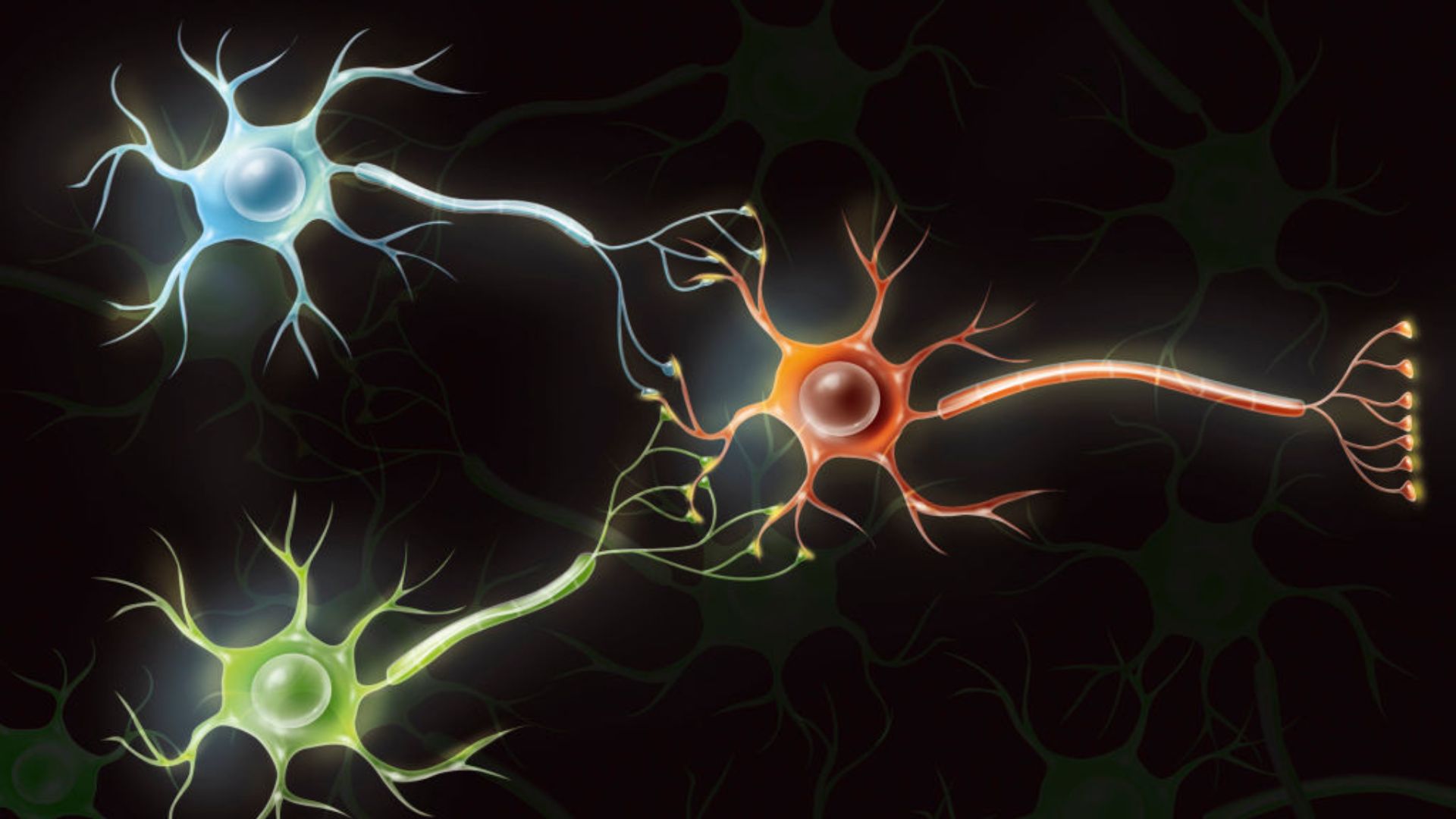
Researchers at the University of California, San Diego, have made significant strides in the field of biocomputing by developing systems that utilize human brain cells as functional computers. This groundbreaking work, reported in March 2024, represents a major advancement in combining biological materials with computational technology.
Biocomputers are systems that leverage biologically derived components, such as DNA, proteins, and lab-grown neurons, to execute computational tasks. The innovative approach taken by the researchers involves reprogramming living neurons to perform calculations, effectively blurring the line between biological and digital computation.
The implications of this research extend beyond traditional computing. By integrating living cells, the scientists aim to create systems that can process information in ways that conventional silicon-based computers cannot. This could pave the way for new applications in artificial intelligence, biotechnology, and even personalized medicine.
In their experiments, the researchers successfully demonstrated that engineered neurons could respond to specific signals, processing data similarly to how synapses communicate in the human brain. This ability to mimic neural processing could revolutionize the way information is handled, leading to faster and more efficient computational methods.
Dr. Adam Smith, the lead researcher for this project, stated, “The potential for biocomputers to change our understanding of computation is immense. We are just beginning to scratch the surface of what can be achieved by harnessing the power of living cells.”
As the research progresses, scientists are exploring various ways to enhance the functionality of these biocomputers. Future studies may focus on increasing the speed at which these biological computers can process information, as well as improving their ability to integrate with existing technology.
This innovative work comes at a time when the demand for more efficient computing solutions is growing. Traditional computers face limitations in speed and energy efficiency, leading researchers to seek alternative methods. Biocomputers could offer a sustainable solution by utilizing renewable biological materials in place of energy-intensive silicon chips.
Moreover, the potential applications of this technology are vast. From creating more intelligent machines capable of learning and adapting to their environments to advancing healthcare solutions that can process complex biological data, the possibilities are extensive.
As this field of research develops, it will be crucial to address ethical considerations surrounding the use of living cells in computing. The implications of manipulating biological entities for computational purposes raise important questions about the intersections of technology and biology.
The research team aims to publish further findings as they continue their work, providing insights into the future of biocomputing. As they push the boundaries of what is possible, the integration of human brain cells into computer systems could lead to unprecedented advancements in technology and science.
In summary, the transformation of human brain cells into functional biocomputers marks a significant milestone in the fusion of biology and technology. This pioneering research not only challenges our definitions of computation but also opens new doors for innovation across various fields.

Self-Hosted Software: 5 Costs You Can’t Ignore Today

5 Must-Retire Networking Devices Before 2025 for Your Security

Canucks Secure Victory, But Off-Ice Turmoil Dominates Focus

Netanyahu’s Visit to Germany Not on Agenda, Says Chancellor Merz

Albany Man Convicted for Clown Threat with Chainsaw, Faces Years

Rothschild Investment Cuts NVIDIA Holdings to $68.50 Million

Jonathan Bailey and David Corenswet Reflect on Their Rise as Hollywood Heartthrobs

Hillsboro’s Art District Promotes Wellness Through Creative Expression

Mother Finds Hope and Strength at Bay Area Rescue Mission

Urgent Update: Tom Aspinall’s Vision Deteriorates After UFC 321

University of Hawaiʻi Joins $25.6M AI Project to Enhance Disaster Monitoring

MIT Scientists Uncover Surprising Genomic Loops During Cell Division

AI Disruption: AWS Faces Threat as Startups Shift Cloud Focus

Time Crystals Revolutionize Quantum Computing Potential

Discover the Full Map of Pokémon Legends: Z-A’s Lumiose City

Parenthood Set to Depart Hulu: What Fans Need to Know

GOP Faces Backlash as Protests Surge Against Trump Policies

Honeywell Forecasts Record Business Jet Deliveries Over Next Decade
-
 Top Stories1 month ago
Urgent Update: Tom Aspinall’s Vision Deteriorates After UFC 321
-
Science1 month ago
University of Hawaiʻi Joins $25.6M AI Project to Enhance Disaster Monitoring
-
 Health2 months ago
MIT Scientists Uncover Surprising Genomic Loops During Cell Division
-
 Top Stories2 months ago
AI Disruption: AWS Faces Threat as Startups Shift Cloud Focus
-
 Science2 months ago
Time Crystals Revolutionize Quantum Computing Potential
-
 Entertainment2 months ago
Discover the Full Map of Pokémon Legends: Z-A’s Lumiose City
-
 Entertainment2 months ago
Parenthood Set to Depart Hulu: What Fans Need to Know
-
 Top Stories2 months ago
GOP Faces Backlash as Protests Surge Against Trump Policies
-
 World2 months ago
Honeywell Forecasts Record Business Jet Deliveries Over Next Decade
-

 Politics2 months ago
Judge Signals Dismissal of Chelsea Housing Case Citing AI Flaws
-

 Health2 months ago
Maine Insurers Cut Medicare Advantage Plans Amid Cost Pressures
-

 Sports2 months ago
Yoshinobu Yamamoto Shines in Game 2, Leading Dodgers to Victory