
Top Stories
Coast Guard Faces Backlash Over Controversial Policy Shift

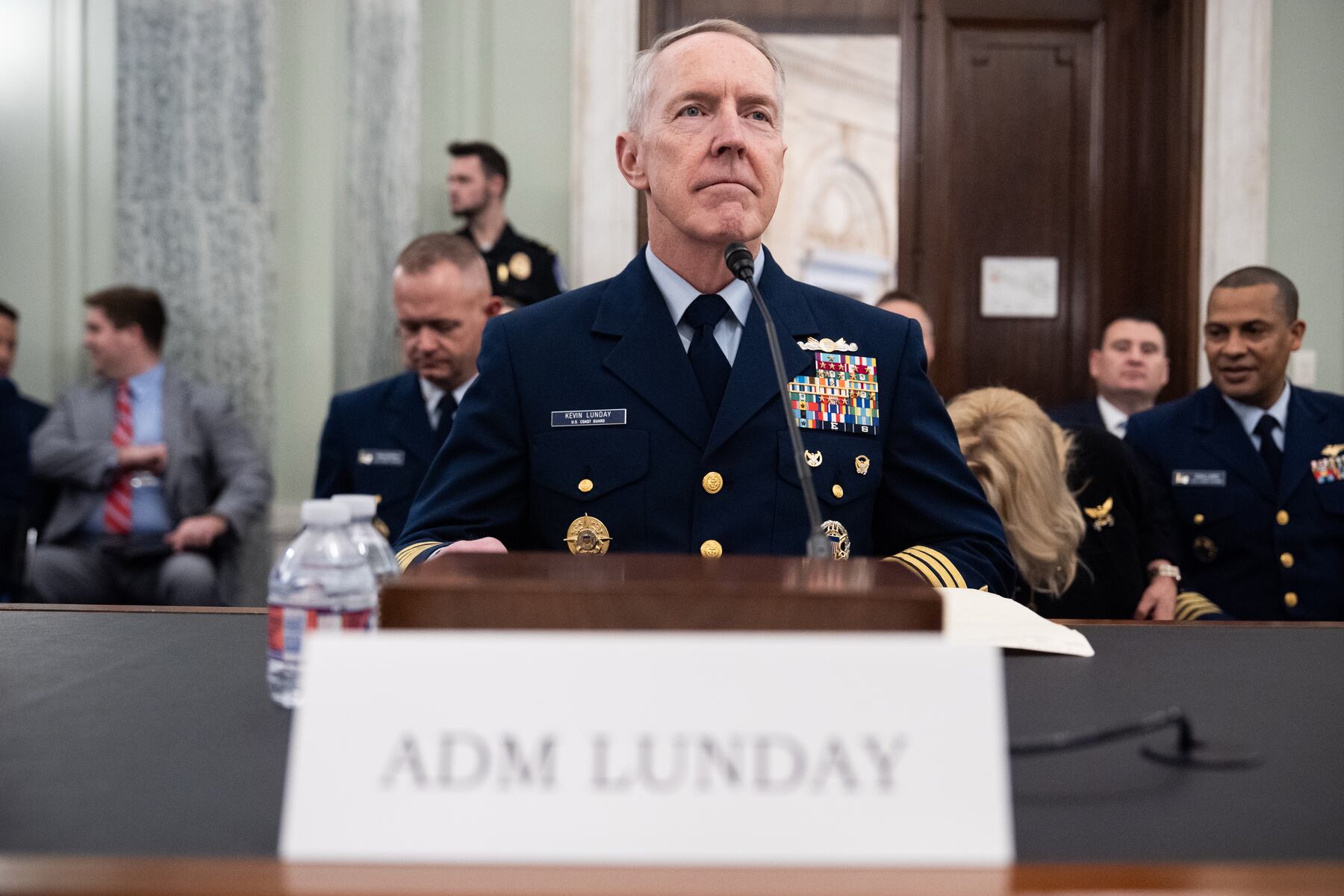
URGENT UPDATE: The U.S. Coast Guard is set to implement a controversial policy shift regarding the display of hate symbols such as swastikas and nooses. Starting on December 15, 2023, the updated policy will change how these symbols are classified and reported within the Coast Guard, sparking significant backlash from lawmakers and advocacy groups.
The new directive, first reported by The Washington Post, modifies language that previously identified symbols like swastikas and nooses as “widely identified with oppression or hatred.” The revised policy now categorizes them as “potentially divisive,” raising concerns among critics who argue this could lead to increased tolerance of hate symbols within the ranks of the Coast Guard.
Democratic Senator Jacky Rosen of Nevada expressed her alarm, stating that the new policy undermines protections against bigotry. “Relaxing policies aimed at fighting hate crimes sends the wrong message and puts the safety of Coast Guard personnel at risk,” she declared. Rosen’s remarks come amid a troubling rise in antisemitism across the U.S. and worldwide, emphasizing the urgency of maintaining firm stances against hate.
Admiral Kevin Lunday, the acting commandant of the Coast Guard, defended the policy, asserting that it does not roll back existing prohibitions. “Any display, use, or promotion of such symbols will be thoroughly investigated and severely punished,” he stated. The Coast Guard has maintained a longstanding ban on the public display of the Confederate flag, barring certain educational or historical contexts.
The new policy also marks a departure from previous terminology, as it eliminates the term “hate incident” from its guidelines. Instead, incidents that would have been classified as hate-related will now be treated as reports of harassment if they involve an identified victim. Commanders will have the discretion to remove “potentially divisive” symbols if they are deemed detrimental to unit morale or discipline.
This policy revision comes on the heels of a broader review initiated by the Department of Defense, which seeks to reassess definitions around hazing, bullying, and harassment in military contexts. The Pentagon’s review indicates a shift towards refining policies that some officials argue are overly broad and threaten operational readiness.
As this story develops, the implications of the Coast Guard’s revised policy will be closely monitored. The potential for increased tolerance of hate symbols could have lasting effects on the culture and morale within the armed forces. Observers are urging the Coast Guard to reconsider these changes in light of the current climate surrounding hate and discrimination.
The Coast Guard, as part of the Department of Homeland Security, has historically aligned its human resources policies with other military branches. The latest changes are likely to prompt further discussions about how military policies address hate and discrimination, raising important questions about the balance between operational needs and protecting personnel.
Stay tuned for updates as this critical situation unfolds.

Donations Target Global Health Challenges, Potential to Save Millions

Urgent: Apple TV Cyber Monday Deal Ends Soon – Save Over 50% Now!

Enhance Your Charitable Impact with These Effective Giving Tips

Congress Faces Urgent Deadline to Extend Health Insurance Subsidies

Defense Tech Funding Surges to Record High of $7.7 Billion

Aurora Siblings Shine in the 99th Macy’s Thanksgiving Day Parade

U.S. Fentanyl Trafficker Killed in Mexican Military Operation

Barn Cat Taco Moves In: A Family’s Heartwarming Change

Fed Chair Powell to Speak Tonight; No Monetary Policy Insights Expected

Urgent Update: Tom Aspinall’s Vision Deteriorates After UFC 321

MIT Scientists Uncover Surprising Genomic Loops During Cell Division

University of Hawaiʻi Joins $25.6M AI Project to Enhance Disaster Monitoring

AI Disruption: AWS Faces Threat as Startups Shift Cloud Focus

Time Crystals Revolutionize Quantum Computing Potential

Honeywell Forecasts Record Business Jet Deliveries Over Next Decade

Discover the Full Map of Pokémon Legends: Z-A’s Lumiose City

GOP Faces Backlash as Protests Surge Against Trump Policies

Parenthood Set to Depart Hulu: What Fans Need to Know
-
 Top Stories1 month ago
Urgent Update: Tom Aspinall’s Vision Deteriorates After UFC 321
-
 Health2 months ago
MIT Scientists Uncover Surprising Genomic Loops During Cell Division
-
Science4 weeks ago
University of Hawaiʻi Joins $25.6M AI Project to Enhance Disaster Monitoring
-
 Top Stories1 month ago
AI Disruption: AWS Faces Threat as Startups Shift Cloud Focus
-
 Science2 months ago
Time Crystals Revolutionize Quantum Computing Potential
-
 World2 months ago
Honeywell Forecasts Record Business Jet Deliveries Over Next Decade
-
 Entertainment2 months ago
Discover the Full Map of Pokémon Legends: Z-A’s Lumiose City
-
 Top Stories2 months ago
GOP Faces Backlash as Protests Surge Against Trump Policies
-
 Entertainment2 months ago
Parenthood Set to Depart Hulu: What Fans Need to Know
-

 Politics2 months ago
Judge Signals Dismissal of Chelsea Housing Case Citing AI Flaws
-

 Sports2 months ago
Yoshinobu Yamamoto Shines in Game 2, Leading Dodgers to Victory
-

 Health2 months ago
Maine Insurers Cut Medicare Advantage Plans Amid Cost Pressures