
Top Stories
Credit Card Surcharges Surge to 34% at Restaurants Nationwide

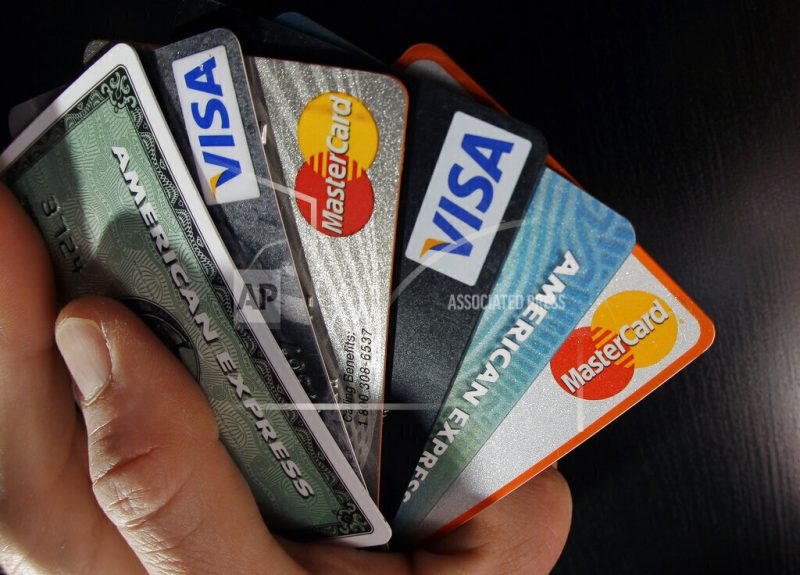
UPDATE: Credit card surcharges are rapidly increasing, with a staggering 34% of merchants now imposing fees on credit card transactions, according to the latest data from J.D. Power. This surge marks a dramatic rise from just 20% last year, reflecting a troubling trend for consumers who rely on credit card rewards.
Merchants are turning to surcharges to offset soaring costs associated with credit card processing. This has become particularly prominent in restaurants, where a recent thread on Reddit noted the rise of 3% fees as the new norm. Many consumers are left frustrated, as they face a dilemma when the check arrives and surcharges may cancel out their reward benefits.
Don Apgar, director of the merchant payments practice at Javelin Strategy & Research, stated, “We’re approaching a tipping point where consumers are actively saying they won’t pay the surcharge.” This sentiment is echoed by 41% of credit card users who have opted not to use their cards at businesses due to these additional costs.
The situation is further complicated by the fact that the interchange fees, which totaled over $160 billion in 2022, are primarily funded through these surcharges. As credit card rewards become more attractive— with 75% of credit cards now offering rewards—merchants are feeling the financial strain.
Officials are taking notice. The Credit Card Competition Act was introduced in Congress in 2022 to address the issue of high interchange fees, though the bill has yet to pass. While some states have outright bans on surcharging, others allow it under specific conditions, creating a patchwork of regulations that complicates the payment landscape.
As consumers grapple with their options, many are seeking alternatives to credit card payments. Cash, checks, and debit cards are becoming more popular choices, as users look to avoid surcharges altogether. However, if using a credit card is unavoidable, consumers are advised to choose cards that offer rewards that can offset the surcharge.
Restaurants are increasingly incentivizing cash payments by offering discounts or highlighting non-cash service fees, prompting consumers to reconsider their payment methods. The impact of these surcharges is palpable, especially for food enthusiasts who enjoy dining out but find their rewards diminished.
The COVID-19 pandemic has played a significant role in accelerating this trend, as additional fees became more normalized during that time. As Apgar notes, “surcharging was few and far between… but now it’s becoming de facto.”
With the landscape of credit card payments shifting dramatically, consumers are urged to be proactive in evaluating the costs associated with their payment methods. Whether it’s calculating potential rewards or seeking out alternative payment options, being informed is key.
As this situation develops, consumers should stay alert to changes in surcharges at their favorite restaurants and businesses. Understanding the implications of these fees will be crucial in navigating the evolving payments landscape.
For now, the rise of credit card surcharges is an urgent issue that demands attention—affecting not just the bottom line for businesses but also the financial strategies of everyday consumers.

Broomfield Police Urgently Seek Toy Donations for Local Children

Thanksgiving Leftovers Risk: Turkey in Fridge Only Lasts 3 Days

Connecticut Police Respond to 475 Crashes, 2 Fatal, Over Thanksgiving

Trump Issues Ultimatum to Maduro as Venezuela Closes Airspace

Microsoft Struggles to Fix Windows 11 Amid Ongoing User Frustration

Bottineau Man, 88, Dies in Central North Dakota Crash

Macaque Monkeys Tap to the Beat, Challenging Musical Learning Theories

Organizing Committee Prepares for 2034 Olympics at Quarterly Meeting

Kino Lorber Acquires Argentine Film ‘The Currents’ for 2026 Release

Urgent Update: Tom Aspinall’s Vision Deteriorates After UFC 321

MIT Scientists Uncover Surprising Genomic Loops During Cell Division

University of Hawaiʻi Joins $25.6M AI Project to Enhance Disaster Monitoring

AI Disruption: AWS Faces Threat as Startups Shift Cloud Focus

Time Crystals Revolutionize Quantum Computing Potential

Honeywell Forecasts Record Business Jet Deliveries Over Next Decade

Discover the Full Map of Pokémon Legends: Z-A’s Lumiose City

GOP Faces Backlash as Protests Surge Against Trump Policies

Parenthood Set to Depart Hulu: What Fans Need to Know
-
 Top Stories1 month ago
Urgent Update: Tom Aspinall’s Vision Deteriorates After UFC 321
-
 Health2 months ago
MIT Scientists Uncover Surprising Genomic Loops During Cell Division
-
Science4 weeks ago
University of Hawaiʻi Joins $25.6M AI Project to Enhance Disaster Monitoring
-
 Top Stories2 months ago
AI Disruption: AWS Faces Threat as Startups Shift Cloud Focus
-
 Science2 months ago
Time Crystals Revolutionize Quantum Computing Potential
-
 World2 months ago
Honeywell Forecasts Record Business Jet Deliveries Over Next Decade
-
 Entertainment2 months ago
Discover the Full Map of Pokémon Legends: Z-A’s Lumiose City
-
 Top Stories2 months ago
GOP Faces Backlash as Protests Surge Against Trump Policies
-
 Entertainment2 months ago
Parenthood Set to Depart Hulu: What Fans Need to Know
-

 Politics2 months ago
Judge Signals Dismissal of Chelsea Housing Case Citing AI Flaws
-

 Sports2 months ago
Yoshinobu Yamamoto Shines in Game 2, Leading Dodgers to Victory
-

 Health2 months ago
Maine Insurers Cut Medicare Advantage Plans Amid Cost Pressures