
Top Stories
Hamas Leader Declares Disarmament Tied to End of Occupation

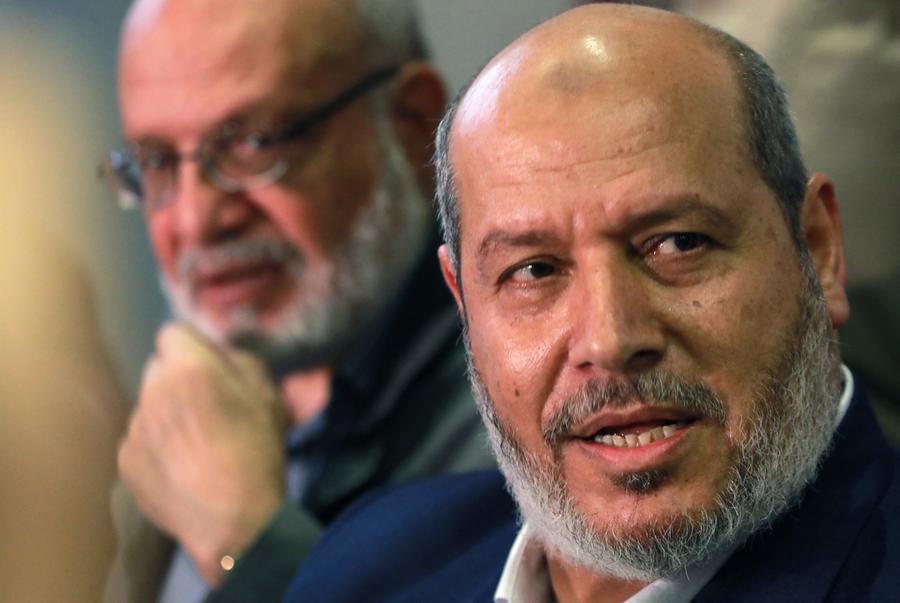
URGENT UPDATE: In a shocking turn of events, Khalil al-Hayya, acting co-chair of Hamas’ political bureau, has stated that the group will only disarm if the “occupation ends,” contradicting the US-backed peace deal framework. This revelation comes amidst ongoing negotiations regarding the Trump plan, which stipulates that Hamas would disarm following the return of hostages, with the Israel Defense Forces (IDF) withdrawing from Gaza only after this process is completed.
During an interview with Al Jazeera, al-Hayya emphasized that the issue of disarmament is directly linked to the presence of Israeli forces, declaring, “We will lay down our arms only if the occupation ends.” This statement raises significant concerns, as Hamas leaders have historically interpreted “occupation” to mean the very existence of Israel. The implications of this stance could jeopardize ongoing peace efforts and further escalate tensions in the region.
Amid these developments, al-Hayya also revealed a potential collaboration with rival Palestinian factions, including Fatah, to establish a technocratic governing committee aimed at managing Gaza. However, he did not specify when or how this committee would be formed, nor whether Hamas officials would take part. Both Israel and the US have firmly rejected the idea of Hamas being involved in Gaza’s future governance, complicating the political landscape.
In a conflicting statement, Fatah dismissed the concept of a governing committee, asserting that the Palestine Liberation Organization (PLO) remains the sole legitimate authority for governing both the West Bank and Gaza. This division highlights the ongoing rift within Palestinian leadership and raises questions about the viability of any unified governance approach.
Meanwhile, in a separate interview with the BBC, Jordan’s King Abdullah voiced skepticism about the proposed International Stabilisation Force (ISF) outlined in the Trump plan. Countries such as Indonesia, Pakistan, and Azerbaijan are reportedly poised to contribute troops, but Israel demands veto power over any participating nation, particularly concerned about the prospect of Turkish forces being stationed in Gaza — a development Prime Minister Netanyahu considers a “red line.”
“What is the mandate of security forces inside Gaza?” King Abdullah questioned. “We hope that it is peacekeeping, because if it’s peace-enforcing, nobody will want to touch that,” he added, indicating the complexities and potential pitfalls of foreign intervention.
As tensions escalate, the international community is closely monitoring these developments. The future of peace negotiations remains uncertain, and both the Israeli and Palestinian populations are left wondering what this means for their security and governance.
With these critical negotiations underway, the situation is developing rapidly. Stay tuned for more updates as they become available, and share your thoughts on the implications of these statements for the region’s future.

Black Friday 2025: Record Online Sales Surge Amid Store Decline

Urgent: Jim Chanos Warns of Nvidia’s Risky Debt Market Amid Market Volatility

Sibling Support: Sister to Buy Brother’s Home Amid Crisis

Shocking Arrest: Santa, 67, Detained for Child Abuse in Brazil

Donations Target Global Health Challenges, Potential to Save Millions

Urgent: Apple TV Cyber Monday Deal Ends Soon – Save Over 50% Now!

Enhance Your Charitable Impact with These Effective Giving Tips

Congress Faces Urgent Deadline to Extend Health Insurance Subsidies

Defense Tech Funding Surges to Record High of $7.7 Billion

Urgent Update: Tom Aspinall’s Vision Deteriorates After UFC 321

MIT Scientists Uncover Surprising Genomic Loops During Cell Division

University of Hawaiʻi Joins $25.6M AI Project to Enhance Disaster Monitoring

AI Disruption: AWS Faces Threat as Startups Shift Cloud Focus

Time Crystals Revolutionize Quantum Computing Potential

Honeywell Forecasts Record Business Jet Deliveries Over Next Decade

Discover the Full Map of Pokémon Legends: Z-A’s Lumiose City

GOP Faces Backlash as Protests Surge Against Trump Policies

Parenthood Set to Depart Hulu: What Fans Need to Know
-
 Top Stories1 month ago
Urgent Update: Tom Aspinall’s Vision Deteriorates After UFC 321
-
 Health2 months ago
MIT Scientists Uncover Surprising Genomic Loops During Cell Division
-
Science4 weeks ago
University of Hawaiʻi Joins $25.6M AI Project to Enhance Disaster Monitoring
-
 Top Stories2 months ago
AI Disruption: AWS Faces Threat as Startups Shift Cloud Focus
-
 Science2 months ago
Time Crystals Revolutionize Quantum Computing Potential
-
 World2 months ago
Honeywell Forecasts Record Business Jet Deliveries Over Next Decade
-
 Entertainment2 months ago
Discover the Full Map of Pokémon Legends: Z-A’s Lumiose City
-
 Top Stories2 months ago
GOP Faces Backlash as Protests Surge Against Trump Policies
-
 Entertainment2 months ago
Parenthood Set to Depart Hulu: What Fans Need to Know
-

 Politics2 months ago
Judge Signals Dismissal of Chelsea Housing Case Citing AI Flaws
-

 Sports2 months ago
Yoshinobu Yamamoto Shines in Game 2, Leading Dodgers to Victory
-

 Health2 months ago
Maine Insurers Cut Medicare Advantage Plans Amid Cost Pressures