
Top Stories
Trump’s New Religious Liberty Commission Launches Amid Controversy

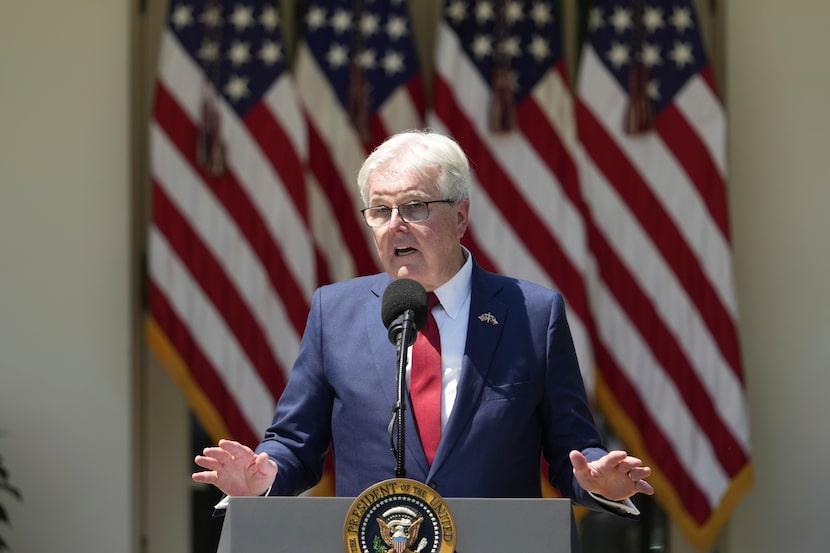
UPDATE: A significant new development in U.S. religious policy has emerged as Texas Lt. Governor Dan Patrick announced the formation of the nation’s first Religious Liberty Commission, officially established on May 1, 2025. This commission aims to explore and enhance protections for religious expression across the country.
During a surprise call from President-elect Donald J. Trump shortly after the November 2024 election, Patrick proposed the creation of this commission to address concerns from Christian communities about perceived assaults on their faith during previous administrations. “I think this is the perfect time to talk about this issue,” Patrick stated in his conversation with Trump, who readily agreed.
The commission, which features a panel of 17 members predominantly from Texas, is tasked with making policy recommendations to Trump ahead of the nation’s 250th anniversary. Patrick emphasized that the commission’s mission is to remind Americans of their rights to religious liberty, stating, “What rights do they have? When can they pray at school or not?”
As part of its efforts, the commission planned its fourth public hearing for November 17 in Dallas, focusing on religious oppression and persecution. However, the session’s timing has been affected by the ongoing government shutdown, creating uncertainty about when it will be rescheduled.
This initiative has drawn fierce scrutiny from critics, including the advocacy group Americans United for the Separation of Church and State, which argues the commission promotes a specific brand of Christian nationalism.
“This commission is being set up to make concrete recommendations about policy to the government that they will clearly follow in this pattern of a transactional relationship with Christian nationalist leaders,”
said Rachel Laser, the group’s president and CEO.
Supporters of the commission, including Patrick and advisory board member Alveda King, argue it reflects the majority faith of Americans. Patrick defended the panel’s composition, stating it includes diverse voices, albeit with a significant evangelical presence. “If there’s any place that would probably be associated with independence and freedom and the ability to believe what you believe, I think Texas is at the top of that list,” said Kelly Shackelford, another commission member.
The commission’s influence is expected to extend beyond Texas, with its findings poised to inspire national policies. Political analysts suggest that Texas, as a leading Republican stronghold, plays a crucial role in shaping the religious landscape of the U.S. “When Texas sneezes, much of the country will catch a cold,” noted Michael Emerson, a public policy expert.
The commission is already gearing up for more hearings, gathering testimonies from individuals affected by perceived violations of religious freedom, particularly in public schools. Shackelford highlighted the need for education on legal rights regarding religious expression in schools, emphasizing the pressing demand for reform.
As the commission continues its work, the conversation surrounding religious liberty in America is intensifying, with supporters and detractors alike closely monitoring its developments. The next steps remain critical as various stakeholders prepare to address the complex interplay of faith, governance, and individual rights in an increasingly diverse society.
Stay tuned for updates as the commission navigates these contentious issues, and be sure to share this urgent news with others interested in the evolving landscape of religious liberties in the United States.

Donations Target Global Health Challenges, Potential to Save Millions

Urgent: Apple TV Cyber Monday Deal Ends Soon – Save Over 50% Now!

Enhance Your Charitable Impact with These Effective Giving Tips

Congress Faces Urgent Deadline to Extend Health Insurance Subsidies

Defense Tech Funding Surges to Record High of $7.7 Billion

Aurora Siblings Shine in the 99th Macy’s Thanksgiving Day Parade

U.S. Fentanyl Trafficker Killed in Mexican Military Operation

Barn Cat Taco Moves In: A Family’s Heartwarming Change

Fed Chair Powell to Speak Tonight; No Monetary Policy Insights Expected

Urgent Update: Tom Aspinall’s Vision Deteriorates After UFC 321

MIT Scientists Uncover Surprising Genomic Loops During Cell Division

University of Hawaiʻi Joins $25.6M AI Project to Enhance Disaster Monitoring

AI Disruption: AWS Faces Threat as Startups Shift Cloud Focus

Time Crystals Revolutionize Quantum Computing Potential

Honeywell Forecasts Record Business Jet Deliveries Over Next Decade

Discover the Full Map of Pokémon Legends: Z-A’s Lumiose City

GOP Faces Backlash as Protests Surge Against Trump Policies

Parenthood Set to Depart Hulu: What Fans Need to Know
-
 Top Stories1 month ago
Urgent Update: Tom Aspinall’s Vision Deteriorates After UFC 321
-
 Health2 months ago
MIT Scientists Uncover Surprising Genomic Loops During Cell Division
-
Science4 weeks ago
University of Hawaiʻi Joins $25.6M AI Project to Enhance Disaster Monitoring
-
 Top Stories1 month ago
AI Disruption: AWS Faces Threat as Startups Shift Cloud Focus
-
 Science2 months ago
Time Crystals Revolutionize Quantum Computing Potential
-
 World2 months ago
Honeywell Forecasts Record Business Jet Deliveries Over Next Decade
-
 Entertainment2 months ago
Discover the Full Map of Pokémon Legends: Z-A’s Lumiose City
-
 Top Stories2 months ago
GOP Faces Backlash as Protests Surge Against Trump Policies
-
 Entertainment2 months ago
Parenthood Set to Depart Hulu: What Fans Need to Know
-

 Politics2 months ago
Judge Signals Dismissal of Chelsea Housing Case Citing AI Flaws
-

 Sports2 months ago
Yoshinobu Yamamoto Shines in Game 2, Leading Dodgers to Victory
-

 Health2 months ago
Maine Insurers Cut Medicare Advantage Plans Amid Cost Pressures