
Top Stories
Urgent: No Federal SNAP Benefits Issued on Nov. 1 Amid Shutdown

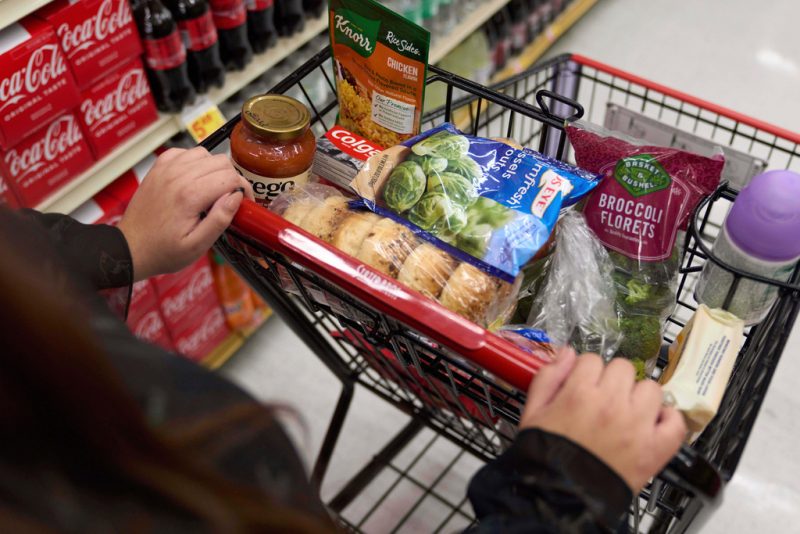
UPDATE: The Trump administration has just announced that no federal food aid will be distributed on November 1, escalating the crisis for millions of American families as the government shutdown enters its second month. The decision comes as the administration refuses to utilize approximately $5 billion in contingency funds to sustain the Supplemental Nutrition Assistance Program (SNAP), which supports about 1 in 8 Americans in purchasing groceries.
The U.S. Department of Agriculture (USDA) issued a stark notice stating, “Bottom line, the well has run dry.” Families relying on SNAP are now facing uncertainty just days before the cutoff, raising alarms across the nation. This development highlights the urgent need for a political resolution as benefits are set to dry up amid the ongoing standoff between Republicans and Democrats.
Since the shutdown began on October 1, the situation has become increasingly dire. While the Trump administration previously took measures to ensure SNAP benefits would be issued for October, the imminent suspension will widen the impact of the impasse, affecting those who are most vulnerable.
Democrats are holding Republicans accountable for the deadlock, insisting they will not agree to reopen the government until negotiations commence to extend expiring subsidies under the Affordable Care Act. Conversely, Republicans demand that Democrats first agree to reopen the government before any discussions on subsidies can take place.
In response to the looming crisis, Democratic lawmakers have reached out to Agriculture Secretary Brooke Rollins, urging the use of contingency funds to cover the critical SNAP benefits for next month. However, a recent memo from the USDA indicates that these funds are legally restricted for emergencies, such as disaster relief—citing Hurricane Melissa as an example of why these funds must remain available.
The prospect of food aid halting has incited concern from states governed by both political parties. While some states have committed to providing SNAP benefits even if federal payments cease, there are significant questions regarding legal implications. The USDA memo warns that states would not receive federal reimbursement for covering these costs.
States like Arkansas and Oklahoma are proactively advising SNAP recipients to prepare for a potential suspension of benefits, encouraging them to seek out food pantries and community resources for assistance.
Senator Chris Murphy of Connecticut has publicly criticized the lack of negotiation from Republicans, stating, “If they sat down to try to negotiate, we could probably come up with something pretty quickly.” He emphasized that a resolution could be reached within days, potentially averting a crisis in the food stamp program.
As families brace for the impact of this announcement, the urgency for a political compromise has never been clearer. The implications of a suspension of SNAP benefits extend beyond individual households, threatening to strain food resources nationwide.
Watch for updates as this situation develops, and the clock ticks down to November 1. The pressure mounts for lawmakers to act swiftly to protect the most vulnerable citizens from a looming food security crisis.

Black Friday 2025: Record Online Sales Surge Amid Store Decline

Urgent: Jim Chanos Warns of Nvidia’s Risky Debt Market Amid Market Volatility

Sibling Support: Sister to Buy Brother’s Home Amid Crisis

Shocking Arrest: Santa, 67, Detained for Child Abuse in Brazil

Donations Target Global Health Challenges, Potential to Save Millions

Urgent: Apple TV Cyber Monday Deal Ends Soon – Save Over 50% Now!

Enhance Your Charitable Impact with These Effective Giving Tips

Congress Faces Urgent Deadline to Extend Health Insurance Subsidies

Defense Tech Funding Surges to Record High of $7.7 Billion

Urgent Update: Tom Aspinall’s Vision Deteriorates After UFC 321

MIT Scientists Uncover Surprising Genomic Loops During Cell Division

University of Hawaiʻi Joins $25.6M AI Project to Enhance Disaster Monitoring

AI Disruption: AWS Faces Threat as Startups Shift Cloud Focus

Time Crystals Revolutionize Quantum Computing Potential

Honeywell Forecasts Record Business Jet Deliveries Over Next Decade

Discover the Full Map of Pokémon Legends: Z-A’s Lumiose City

GOP Faces Backlash as Protests Surge Against Trump Policies

Parenthood Set to Depart Hulu: What Fans Need to Know
-
 Top Stories1 month ago
Urgent Update: Tom Aspinall’s Vision Deteriorates After UFC 321
-
 Health2 months ago
MIT Scientists Uncover Surprising Genomic Loops During Cell Division
-
Science4 weeks ago
University of Hawaiʻi Joins $25.6M AI Project to Enhance Disaster Monitoring
-
 Top Stories2 months ago
AI Disruption: AWS Faces Threat as Startups Shift Cloud Focus
-
 Science2 months ago
Time Crystals Revolutionize Quantum Computing Potential
-
 World2 months ago
Honeywell Forecasts Record Business Jet Deliveries Over Next Decade
-
 Entertainment2 months ago
Discover the Full Map of Pokémon Legends: Z-A’s Lumiose City
-
 Top Stories2 months ago
GOP Faces Backlash as Protests Surge Against Trump Policies
-
 Entertainment2 months ago
Parenthood Set to Depart Hulu: What Fans Need to Know
-

 Politics2 months ago
Judge Signals Dismissal of Chelsea Housing Case Citing AI Flaws
-

 Sports2 months ago
Yoshinobu Yamamoto Shines in Game 2, Leading Dodgers to Victory
-

 Health2 months ago
Maine Insurers Cut Medicare Advantage Plans Amid Cost Pressures