
Top Stories
Urgent Update: 60% of Elections Uncontested, Democracy at Risk

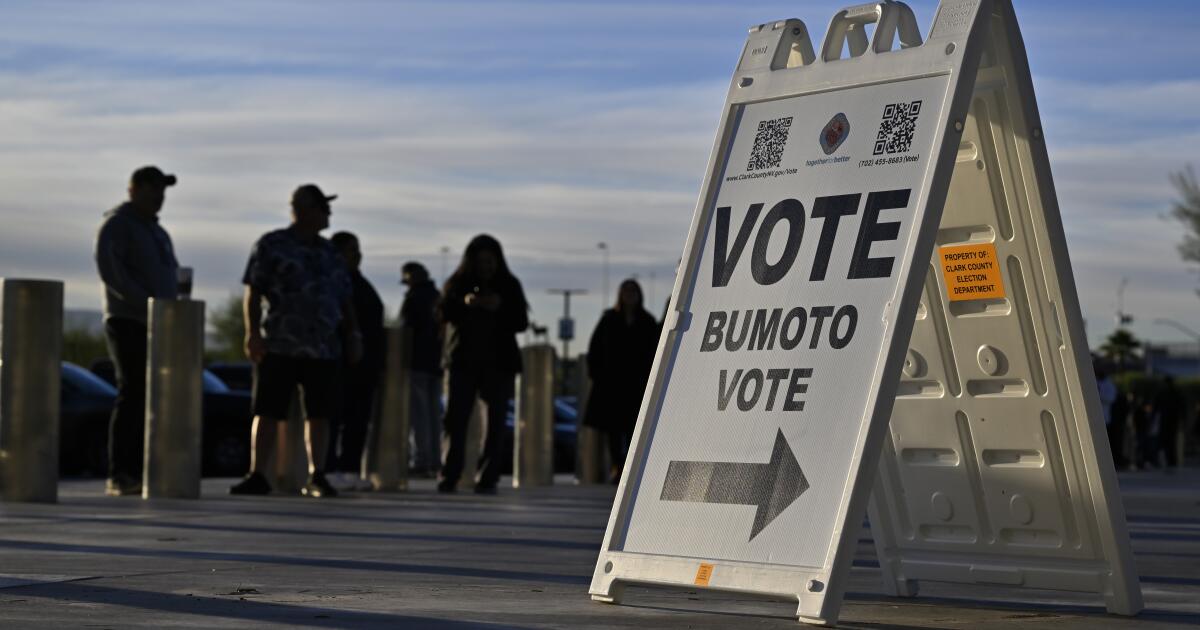
UPDATE: New reports confirm a staggering 60% of elections across the United States are uncontested, raising urgent questions about the health of American democracy. This alarming statistic comes from Ballotpedia, which tracked nearly 14,000 elections in the past week alone. With only one candidate running in many positions, or in some cases, no candidates at all, the integrity of local governance is at serious risk.
During a week dominated by discussions of the New York City mayoral race and Zohran Mamdani’s victory, over 1,000 mayors were elected without facing an opponent. Just about 700 of the mayoral races monitored by Ballotpedia provided voters with a real choice. The trend extends beyond mayors, with more than 50% of city council races and nearly 80% of local judgeships decided without any competition.
The implications of this trend are profound. As local elections—the cornerstone of governance—become increasingly uncompetitive, the very essence of democracy is diminished. Since 2018, when Ballotpedia began tracking this data, the average of uncontested elections has skyrocketed to an alarming 75% in the past two years. This lack of political opposition represents a troubling symptom of broader civic disengagement.
Doug Kronaizl, managing editor at Ballotpedia, emphasizes the disconnect, stating, “Americans are increasingly more focused on national politics, even though local elections have the greatest effects on our daily lives.” He describes local races as the “vast majority of the pyramid,” highlighting a critical gap in democratic participation.
In states like Iowa and Ohio, the numbers are equally concerning, with 1,753 races in Iowa featuring only one or zero candidates and over 2,500 in Ohio. In many cases, if an election is uncontested, ballots are not even printed, further diminishing voter engagement.
Former mayor of Tempe, Arizona, Neil Giuliano, underscores the barriers to running for office today. He notes the importance of three M’s: money, electoral math, and messaging. “It used to be you had a message and you talked about what you believed in,” Giuliano reflects. “Now, if you don’t have the money and data to reach voters, it’s a futility effort.”
Giuliano, who now mentors candidates rather than seeking office, points to two discouraged groups: those who feel positions don’t matter and those overwhelmed by the political climate. Amanda Litman, co-founder of the nonprofit Run for Something, echoes this sentiment, noting an influx of interest from potential candidates since the last presidential election. “The number one issue we’re hearing folks talk about is housing,” she explains, indicating a renewed urgency to engage at the local level.
The crisis is reminiscent of the sentiments expressed by Thomas Paine during the Revolutionary War, who highlighted the resilience needed to sustain democracy. Today, civic disengagement poses a critical threat. Antonio Villaraigosa, former Los Angeles mayor and 2026 gubernatorial candidate, asserts, “Democracy is a living, breathing thing.” He urges citizens to engage civically, stressing the necessity of participation in local governance.
As the landscape of American politics shifts, the absence of political competition at local levels can stifle the progress voters desire. Without diverse candidates on the ballot, the potential for meaningful change remains unrealized. The foundation of democracy is in urgent need of repair, and citizens must act to ensure all three pillars—elected officials, voters, and political opposition—remain strong.
The critical takeaway? Voter engagement must rise, and the need for political opposition is more pressing than ever. As the 2026 elections approach, all eyes will be on whether candidates emerge to challenge the status quo and restore vitality to local governance.

Thieves Steal Firefighters’ Gear Amid Deadly Blaze in Philly

Cyber Monday Countdown: Grab 25 Must-Have Deals Under $25 NOW!

USTR Confirms Urgent Agreement on Pharma Pricing with UK

U.S. Negotiators Visit Russia to Advance Peace Talks on Ukraine

Child Protection Services Overwhelmingly Target Families of Disabled Kids

Detroit Catholic Central Wins Division 1 State Title with 42-19 Victory

Trump Administration Initiates Major Changes to SNAP Eligibility

Meta’s Stock Recovery: Is Now the Time to Invest Below $650?

CD Projekt Red Confirms No Release for The Witcher 4 in 2026

Urgent Update: Tom Aspinall’s Vision Deteriorates After UFC 321

MIT Scientists Uncover Surprising Genomic Loops During Cell Division

University of Hawaiʻi Joins $25.6M AI Project to Enhance Disaster Monitoring

AI Disruption: AWS Faces Threat as Startups Shift Cloud Focus

Time Crystals Revolutionize Quantum Computing Potential

Honeywell Forecasts Record Business Jet Deliveries Over Next Decade

Discover the Full Map of Pokémon Legends: Z-A’s Lumiose City

GOP Faces Backlash as Protests Surge Against Trump Policies

Parenthood Set to Depart Hulu: What Fans Need to Know
-
 Top Stories1 month ago
Urgent Update: Tom Aspinall’s Vision Deteriorates After UFC 321
-
 Health2 months ago
MIT Scientists Uncover Surprising Genomic Loops During Cell Division
-
Science4 weeks ago
University of Hawaiʻi Joins $25.6M AI Project to Enhance Disaster Monitoring
-
 Top Stories2 months ago
AI Disruption: AWS Faces Threat as Startups Shift Cloud Focus
-
 Science2 months ago
Time Crystals Revolutionize Quantum Computing Potential
-
 World2 months ago
Honeywell Forecasts Record Business Jet Deliveries Over Next Decade
-
 Entertainment2 months ago
Discover the Full Map of Pokémon Legends: Z-A’s Lumiose City
-
 Top Stories2 months ago
GOP Faces Backlash as Protests Surge Against Trump Policies
-
 Entertainment2 months ago
Parenthood Set to Depart Hulu: What Fans Need to Know
-

 Politics2 months ago
Judge Signals Dismissal of Chelsea Housing Case Citing AI Flaws
-

 Sports2 months ago
Yoshinobu Yamamoto Shines in Game 2, Leading Dodgers to Victory
-

 Health2 months ago
Maine Insurers Cut Medicare Advantage Plans Amid Cost Pressures