
World
Uncovering the Espionage of Takeo Yoshikawa Before Pearl Harbor

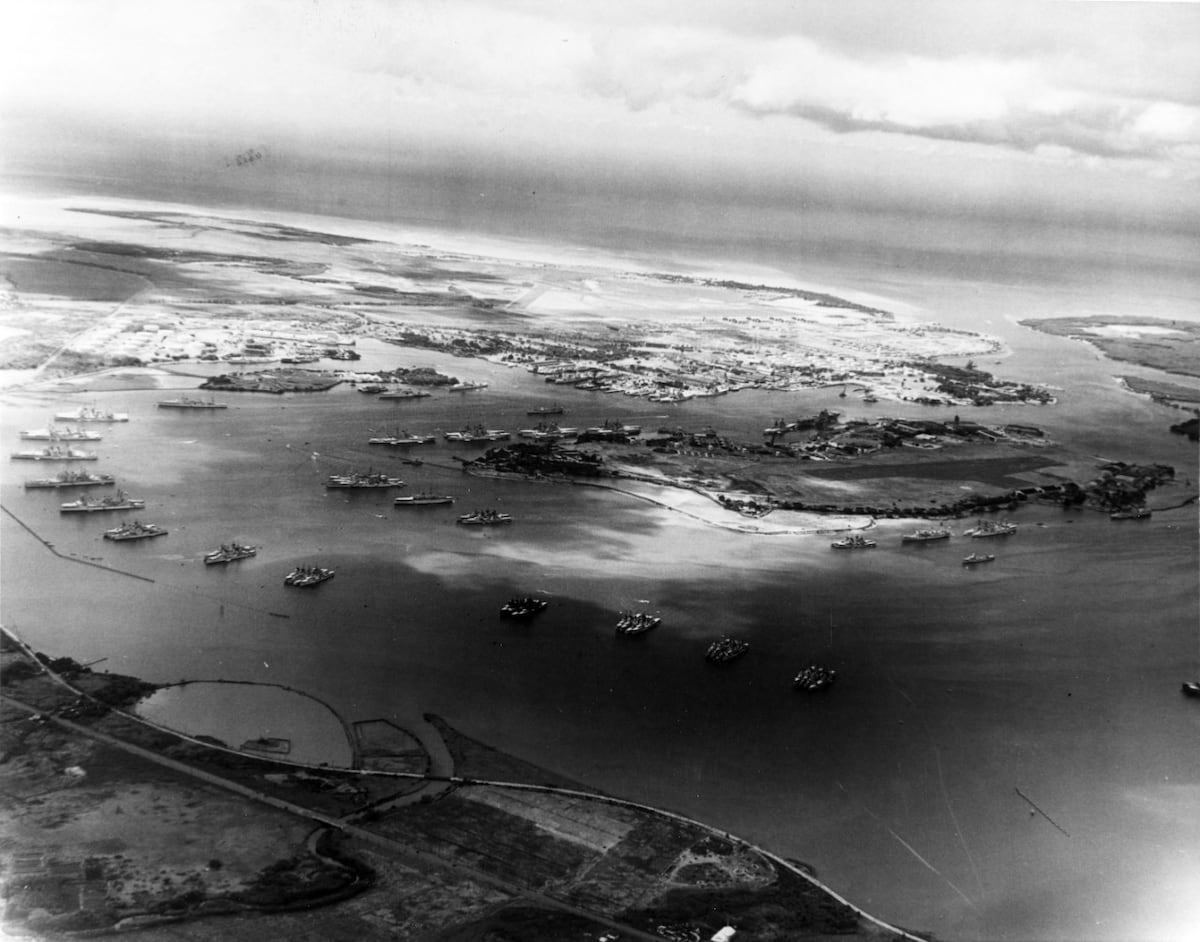
In the months leading up to the attack on Pearl Harbor, an intelligence officer named Takeo Yoshikawa undertook covert operations that would significantly impact Japan’s military strategy. His espionage activities in Hawaii ultimately contributed to the surprise attack on December 7, 1941, a turning point in World War II.
Yoshikawa, then a 27-year-old officer disguised as a diplomat, faced challenges in gathering intelligence about the U.S. Navy’s defenses. One notable attempt occurred in the fall of 1941 when he swam towards the entrance of Pearl Harbor to observe submarine barriers. After a fruitless night submerged in the cold waters of Oahu’s Mamala Bay, he sent a telegram back to Tokyo stating, “Details unclear.” His frustration was palpable, given the high stakes of his mission.
Operating under the alias Tadashi Morimura at the Japanese consulate in Honolulu, Yoshikawa employed various tactics to gather information. He mingled with local servicemen, explored military sites under the guise of a tourist, and utilized his connections within the Japanese-American community. His efforts included frequent reconnaissance trips with a taxi driver named John Mikami, who unknowingly guided him to significant military locations.
Yoshikawa’s role in the espionage effort was complex. While he portrayed himself as a lone operative, some of his intelligence gathering relied on the assistance of local Japanese immigrants. Notably, Taneyo Fujiwara, the owner of a teahouse with a commanding view of Pearl Harbor, provided him access to a telescope that proved valuable for surveillance.
As tensions escalated, Yoshikawa sensed the imminent threat of conflict. In early December 1941, he took precautions by destroying sensitive materials related to his espionage activities. Despite his efforts, on December 7, he was caught with a detailed map of Pearl Harbor, leading to his internment alongside other consular staff.
In the aftermath of the attack, American authorities were aware of Yoshikawa’s presence but treated him relatively leniently, likely due to the chaotic situation. During his time in internment, Yoshikawa maintained his innocence despite the overwhelming evidence against him. His enduring survival instinct led him to avoid the fate that befell many of his compatriots.
Following his return to Japan in August 1942, Yoshikawa continued his work in military intelligence. However, his relationship with superiors soured as he raised concerns about the accuracy of reports coming from the front lines. His insistence on a more realistic assessment of the war led to friction within the ranks, ultimately resulting in his resignation in June 1944.
Yoshikawa’s post-war life was fraught with challenges. After the war, he briefly engaged in black market activities before seeking refuge in Zen Buddhist temples to evade war crimes investigators. He reestablished his life in Japan, opening a gas station and later becoming a local council member.
Despite his contributions to Japan’s military efforts, Yoshikawa struggled with his legacy. His memoirs, published in later years, reflected a conflicted man who grappled with his role in the war and the moral implications of his actions. A revised edition of his memoir, released in 2015, sought to frame him as a national hero but often contradicted his earlier accounts.
The complexity of Takeo Yoshikawa’s story serves as a reminder of the intricacies of espionage and the personal conflicts faced by those who engage in it. His narrative intertwines themes of bravery, survival, and the haunting consequences of war, ultimately leaving a legacy that continues to provoke discussion and analysis today.

New England Patriots’ Marcus Jones Excels in Film and Football

U.S. Rep. Jasmine Crockett Launches Senate Bid, Reshaping Race

Raccoon Ransacks Virginia Liquor Store, Inspires Cocktails and T-Shirts

FanDuel Casino Launches Bonus Offering 500 Spins and $40 Credits

Rutherford B. Hayes Library Hosts December Book Clubs

Understanding Hair Loss: Insights from Traditional Chinese Medicine

Lincoln Nonprofit Fights Funding Cuts to Support Foster Care Children

FanDuel Casino Launches $40 Bonus and 500 Free Spins NOW!

Incyte’s Experimental Drug Shows Promise for Myelofibrosis Treatment

Urgent Update: Tom Aspinall’s Vision Deteriorates After UFC 321

University of Hawaiʻi Joins $25.6M AI Project to Enhance Disaster Monitoring

MIT Scientists Uncover Surprising Genomic Loops During Cell Division

AI Disruption: AWS Faces Threat as Startups Shift Cloud Focus

Time Crystals Revolutionize Quantum Computing Potential

Discover the Full Map of Pokémon Legends: Z-A’s Lumiose City

Parenthood Set to Depart Hulu: What Fans Need to Know

GOP Faces Backlash as Protests Surge Against Trump Policies

Honeywell Forecasts Record Business Jet Deliveries Over Next Decade
-
 Top Stories1 month ago
Urgent Update: Tom Aspinall’s Vision Deteriorates After UFC 321
-
Science1 month ago
University of Hawaiʻi Joins $25.6M AI Project to Enhance Disaster Monitoring
-
 Health2 months ago
MIT Scientists Uncover Surprising Genomic Loops During Cell Division
-
 Top Stories2 months ago
AI Disruption: AWS Faces Threat as Startups Shift Cloud Focus
-
 Science2 months ago
Time Crystals Revolutionize Quantum Computing Potential
-
 Entertainment2 months ago
Discover the Full Map of Pokémon Legends: Z-A’s Lumiose City
-
 Entertainment2 months ago
Parenthood Set to Depart Hulu: What Fans Need to Know
-
 Top Stories2 months ago
GOP Faces Backlash as Protests Surge Against Trump Policies
-
 World2 months ago
Honeywell Forecasts Record Business Jet Deliveries Over Next Decade
-

 Politics2 months ago
Judge Signals Dismissal of Chelsea Housing Case Citing AI Flaws
-

 Health2 months ago
Maine Insurers Cut Medicare Advantage Plans Amid Cost Pressures
-

 Sports2 months ago
Yoshinobu Yamamoto Shines in Game 2, Leading Dodgers to Victory