
World
Victoria Premier Apologizes to Aboriginal Peoples for Colonial Harm

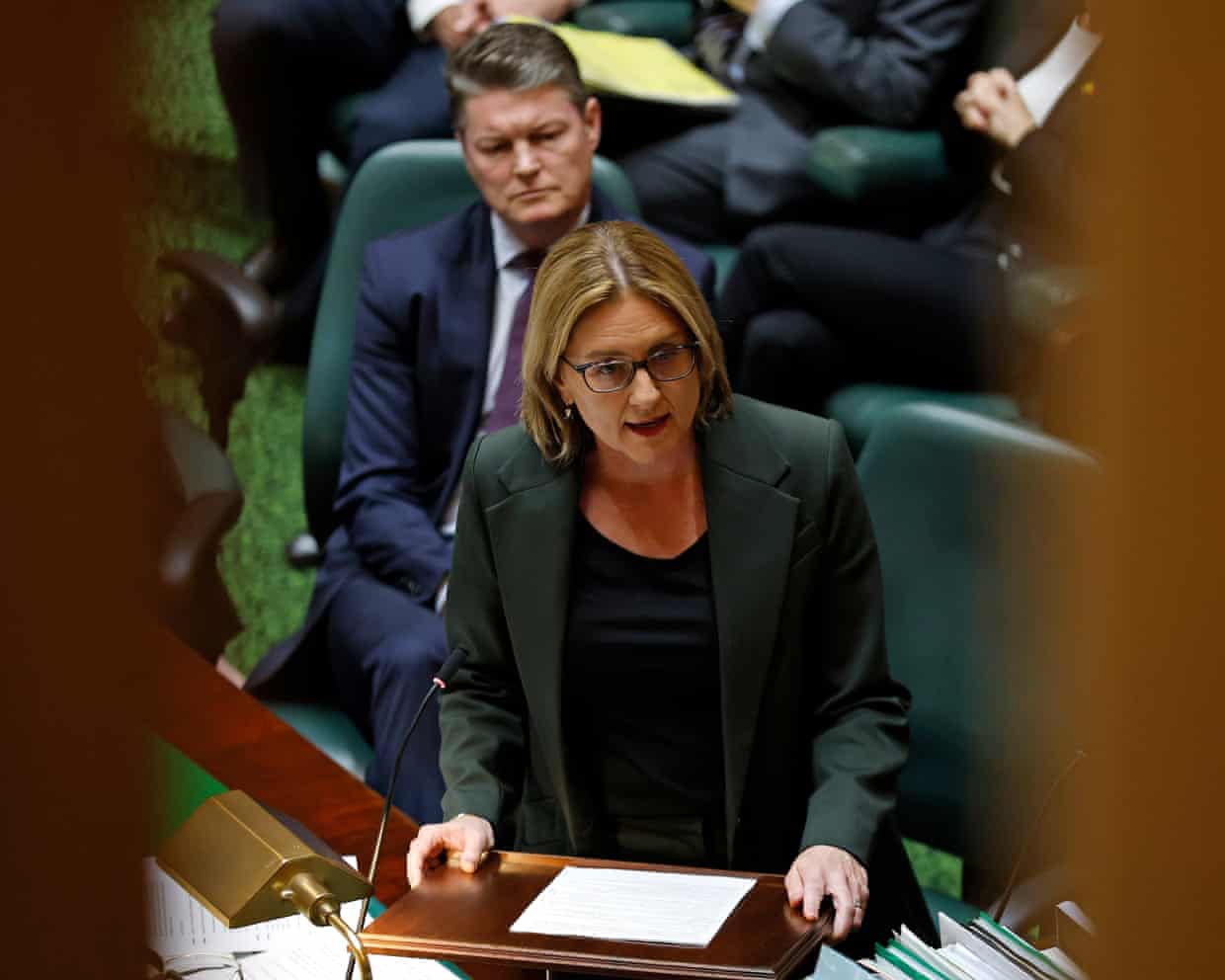
The Victorian government has officially apologized to Australia’s First Peoples for the injustices inflicted upon them during colonization. In a significant statement delivered before the parliament on March 15, 2024, Premier Jacinta Allan reflected on the “rapid and violent” colonization that stripped Aboriginal people of their rights, lands, and cultures. This formal acknowledgment of past wrongs marks a pivotal moment in the ongoing discussions surrounding reconciliation and treaty negotiations in Victoria.
In her address, Allan acknowledged that decisions made in the parliament’s history have consistently denied First Peoples their rights and self-determination. “We acknowledge the harm inflicted on generations of First Peoples and mark the beginning of a new era, one that embraces truth, honours justice, and creates space for a shared future built in full view of the past,” she stated. The apology is part of the broader treaty negotiation process, which aims to address historical grievances and establish a framework for future relations.
Allan emphasized that many Victorians were unaware of the depth of the historical injustices until the revelations made by the Yoorrook Justice Commission. This commission has played a crucial role in uncovering the truth about the extent of harm done to Aboriginal communities in Victoria. “The colonization of Victoria was not peaceful. It was rapid and violent,” she declared, outlining the systematic removal of lands, languages, and children that occurred as a result of colonial policies.
The apology expressed deep remorse for various acts committed by the state, including the forced removal of children, known as the Stolen Generations, and the erasure of Aboriginal languages and cultures. “For the laws that took land, removed children, broke families, and tried to erase culture — we say sorry,” Allan remarked. She highlighted the ongoing effects of these historical decisions, stating that the parliament must now reckon with its past actions.
The event was attended by numerous First Nations representatives, including former Victorian treaty commissioner Jill Gallagher, who expressed deep emotional resonance with the apology. Gallagher stated that this moment signifies the beginning of a healing process for Aboriginal communities. “It means our people here in Victoria can start the healing process, to acknowledge all those bad things that happened to our communities,” she said.
Alongside Gallagher, Gunditjmara elder Uncle Mark Rose noted the significance of the apology, highlighting that it is not merely about words but about actionable promises for change. “It’s not just saying sorry; it’s about doing something about it,” he explained, expressing hope that the government will follow through on its commitments.
The apology received mixed reactions within the political landscape. The opposition, led by Jess Wilson of the Liberal Party, opposed the wording due to its reference to the treaty process, which they aim to abolish if elected. Wilson acknowledged the historical injustices faced by Aboriginal Victorians and offered an apology on behalf of previous governments. “For that, we say sorry,” she stated.
The atmosphere during the apology was marked by a blend of hope and solemnity. More than 300 First Nations people participated in a smoking ceremony before the parliamentary session, which was led by Wurundjeri and Woi-wurrung elder Uncle Andrew Gardiner. Labor MP Sheena Watt, who is the first Indigenous woman in the Victorian parliament, expressed pride and sorrow, reflecting on the ongoing struggles of Indigenous communities.
The apology has been described as a crucial step towards healing, with the government committing to work collaboratively with Aboriginal communities to address historical and ongoing injustices. “This is how we begin to right the wrongs that apology alone cannot mend,” Allan concluded.
As the government moves forward, the emphasis remains on ensuring that the apology is not merely a symbolic gesture but a pathway towards genuine reconciliation and respect for the rights of First Peoples in Victoria.

Next-Gen CAR-T Therapy Shows 70-100% Response in Leukemia Patients

Shanks’ Power Decline Revealed: Will He Ever Be Strong Again?

Amazon and Walmart Race for 30-Minute Delivery: Who Will Win?

Investors Anticipate Fed Rate Cut as Bitcoin Hovers Near $90.5K

Gwyneth Paltrow and Brad Falchuk: A Romantic Journey Unfolds

Running Enhances Dopamine and Coordination in Aging Mice

Gloria Siemers Passes Away at 79, Leaving Lasting Legacy

Nassau County Executive Bruce Blakeman to Enter Governor Race

Researchers Uncover How Cancer Cells Manipulate Timing Mechanisms

Urgent Update: Tom Aspinall’s Vision Deteriorates After UFC 321

University of Hawaiʻi Joins $25.6M AI Project to Enhance Disaster Monitoring

MIT Scientists Uncover Surprising Genomic Loops During Cell Division

AI Disruption: AWS Faces Threat as Startups Shift Cloud Focus

Time Crystals Revolutionize Quantum Computing Potential

Discover the Full Map of Pokémon Legends: Z-A’s Lumiose City

Parenthood Set to Depart Hulu: What Fans Need to Know

Honeywell Forecasts Record Business Jet Deliveries Over Next Decade

GOP Faces Backlash as Protests Surge Against Trump Policies
-
 Top Stories1 month ago
Urgent Update: Tom Aspinall’s Vision Deteriorates After UFC 321
-
Science1 month ago
University of Hawaiʻi Joins $25.6M AI Project to Enhance Disaster Monitoring
-
 Health2 months ago
MIT Scientists Uncover Surprising Genomic Loops During Cell Division
-
 Top Stories2 months ago
AI Disruption: AWS Faces Threat as Startups Shift Cloud Focus
-
 Science2 months ago
Time Crystals Revolutionize Quantum Computing Potential
-
 Entertainment2 months ago
Discover the Full Map of Pokémon Legends: Z-A’s Lumiose City
-
 Entertainment2 months ago
Parenthood Set to Depart Hulu: What Fans Need to Know
-
 World2 months ago
Honeywell Forecasts Record Business Jet Deliveries Over Next Decade
-
 Top Stories2 months ago
GOP Faces Backlash as Protests Surge Against Trump Policies
-

 Politics2 months ago
Judge Signals Dismissal of Chelsea Housing Case Citing AI Flaws
-

 Health2 months ago
Maine Insurers Cut Medicare Advantage Plans Amid Cost Pressures
-

 Sports2 months ago
Yoshinobu Yamamoto Shines in Game 2, Leading Dodgers to Victory