
Politics
Epstein Victims’ Attorney Demands DOJ Accountability Over Document Release

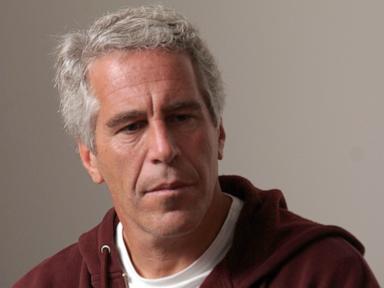
When the House Oversight Committee released a significant collection of files and emails from the Epstein estate earlier this month, it sparked “widespread panic” among alleged victims of the convicted sex offender. Prominent attorney for these victims, Bradley Edwards, conveyed their distress in a recent court filing, highlighting that the documents included numerous unredacted names of victims.
One victim expressed confusion and frustration, stating, “I thought the government had promised to redact our names and identifying material. I don’t understand how this is happening again.” Edwards reported similar sentiments from other victims, who described the situation as incomprehensible, with one stating, “I have been unable to mentally and emotionally function or sleep.”
Judge Richard Berman has ordered the Department of Justice (DOJ) to expedite the processing of records related to its handling of Epstein files. The DOJ faces a deadline of December 19, 2023, to release hundreds of thousands of documents, as mandated by the Epstein Files Transparency Act. Edwards is urging the court to require the DOJ to improve its review process to prevent further exposure of sensitive information about alleged victims.
Legal Concerns Over Victim Privacy
In his filing, Edwards emphasized the humanity of the victims, stating, “These women are not political pawns. They are mothers, wives, and daughters… who have already had their rights violated in the past by the Government.” He highlighted that the recent release included unredacted names and personal information of numerous victims, including minors at the time of their abuse. One document alone contained 28 unredacted names of alleged victims.
Edwards contended that the DOJ either lacks a comprehensive understanding of the identities of Epstein’s victims, preventing them from applying proper redactions, or is intentionally neglecting to protect victims from public exposure. His filing underscored the urgency for the court to demand clarity from the DOJ regarding their redaction process, especially given that the DOJ has publicly acknowledged that Epstein harmed over 1,000 victims.
Judicial Response and Future Actions
In response to Edwards’ letter, Judge Berman ordered the DOJ to provide a “detailed description” of the materials they plan to release by noon on December 1, 2023. He also requested a comprehensive outline of the privacy measures, including any redactions, that the government intends to implement to safeguard the rights of Epstein’s victims.
On the same day, U.S. Attorney Jay Clayton stated that his office would coordinate with known victims regarding names and terms for withholding and redactions. He clarified that the scope of documents the DOJ seeks to release includes witness interview notes, search warrant applications, financial and travel records, grand jury subpoena returns, school records, and various materials from the Epstein estate.
Edwards has expressed serious concerns about the DOJ’s intentions, particularly as it seeks to authorize the release of grand jury materials related to the prosecutions of Epstein and Ghislaine Maxwell. He questioned whether this move is a distraction from providing comprehensive transparency regarding Epstein’s activities while protecting the victims.
As the situation develops, the focus remains on ensuring that the rights of Epstein’s alleged victims are protected, with clarity required on the DOJ’s processes for handling sensitive information.

Church Members Rally Together After Thanksgiving Fire Devastation

U.S. Investment in Canadian Energy Firms Surges Despite Low Oil Prices

Nick Jonas Unveils New Solo Album ‘Sunday Best’ Set for February Release

Researchers Urge Label Changes for Low-Alcohol Drinks to Aid Pregnant Women

Wedding Cookie Table Community Aims for World’s Largest Cookie Exchange

Mayor Appoints Alan Wong as New Supervisor for District 4

UK Report Reveals Growing Role of AI in University Research Assessments

Mayor Lurie Appoints Alan Wong as New District 4 Supervisor

South Korea Strengthens FX Oversight in Urgent Market Stabilization

Urgent Update: Tom Aspinall’s Vision Deteriorates After UFC 321

MIT Scientists Uncover Surprising Genomic Loops During Cell Division

University of Hawaiʻi Joins $25.6M AI Project to Enhance Disaster Monitoring

AI Disruption: AWS Faces Threat as Startups Shift Cloud Focus

Time Crystals Revolutionize Quantum Computing Potential

Honeywell Forecasts Record Business Jet Deliveries Over Next Decade

Discover the Full Map of Pokémon Legends: Z-A’s Lumiose City

GOP Faces Backlash as Protests Surge Against Trump Policies

Parenthood Set to Depart Hulu: What Fans Need to Know
-
 Top Stories1 month ago
Urgent Update: Tom Aspinall’s Vision Deteriorates After UFC 321
-
 Health1 month ago
MIT Scientists Uncover Surprising Genomic Loops During Cell Division
-
Science4 weeks ago
University of Hawaiʻi Joins $25.6M AI Project to Enhance Disaster Monitoring
-
 Top Stories1 month ago
AI Disruption: AWS Faces Threat as Startups Shift Cloud Focus
-
 Science2 months ago
Time Crystals Revolutionize Quantum Computing Potential
-
 World2 months ago
Honeywell Forecasts Record Business Jet Deliveries Over Next Decade
-
 Entertainment1 month ago
Discover the Full Map of Pokémon Legends: Z-A’s Lumiose City
-
 Top Stories2 months ago
GOP Faces Backlash as Protests Surge Against Trump Policies
-
 Entertainment2 months ago
Parenthood Set to Depart Hulu: What Fans Need to Know
-

 Politics2 months ago
Judge Signals Dismissal of Chelsea Housing Case Citing AI Flaws
-

 Sports2 months ago
Yoshinobu Yamamoto Shines in Game 2, Leading Dodgers to Victory
-

 Health2 months ago
Maine Insurers Cut Medicare Advantage Plans Amid Cost Pressures