
World
U.S. Strengthens Trade Ties with Latin America to Counter China

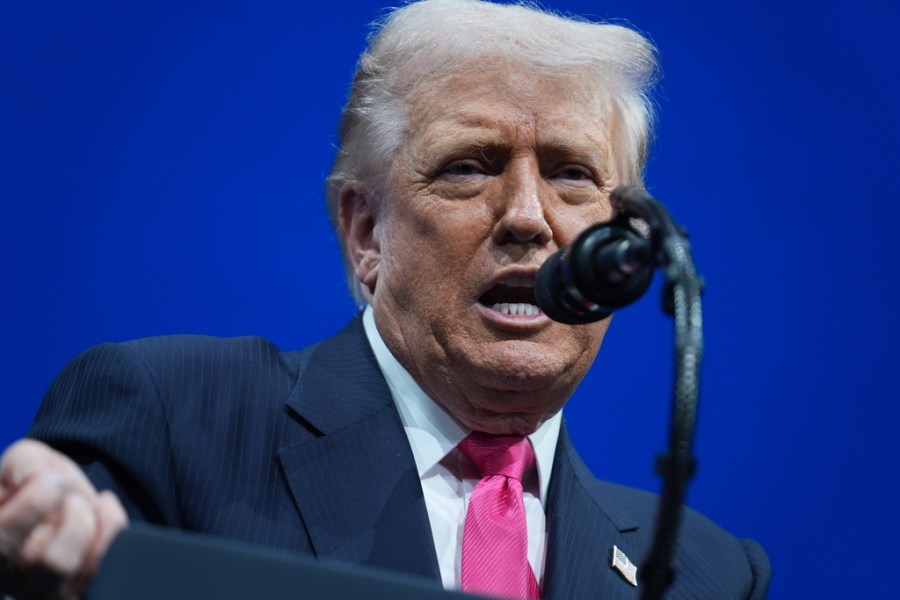
The United States is actively enhancing its trade and investment relationships with various countries in Latin America, marking a significant shift in its foreign policy. This initiative aims to reduce U.S. dependence on China while strengthening American influence in the region. Key nations involved in this pivot include Brazil, Mexico, and Argentina.
To facilitate this new strategy, the U.S. government is implementing a series of trade agreements and investment initiatives designed to promote economic cooperation. September 2023 saw the announcement of several agreements that are expected to boost bilateral trade significantly. These agreements focus on key sectors such as technology, agriculture, and renewable energy, which align with U.S. interests in sustainable development and economic diversification.
Reducing Dependency on China
The U.S. approach is largely motivated by a desire to lessen reliance on Chinese supply chains that have been disrupted in recent years. The ongoing tensions between the U.S. and China have heightened concerns over economic security, prompting American officials to seek closer ties with their Latin American counterparts. This pivot is not only about trade but also about creating a more resilient economic framework in the Americas.
According to a statement from The White House, this initiative is expected to generate substantial economic growth in Latin America. By fostering closer partnerships, the U.S. aims to create jobs and stimulate investment in both regions. Officials believe this strategy will lead to increased exports from the U.S. to Latin America, further solidifying the economic ties that underpin this new alliance.
Impact on Regional Dynamics
As the U.S. deepens its engagement with Latin America, it is also reshaping the geopolitical landscape. Countries like Brazil and Mexico have welcomed the U.S. initiatives, viewing them as opportunities for economic development and job creation. In contrast, this shift is likely to provoke a response from China, which has made significant investments in Latin America over the past decade.
The implications of this strategic pivot extend beyond economics. Enhanced cooperation between the U.S. and Latin American nations could lead to collaborative efforts on issues such as climate change, security, and migration. The potential for a united front against external influences could reshape the dynamics of power in the region.
In conclusion, the U.S. is redefining its role in Latin America by strengthening trade and investment ties. This move not only aims to reduce dependence on China but also fosters a new era of economic collaboration that could have lasting impacts on both regions. The success of these initiatives will largely depend on the willingness of both American and Latin American leaders to engage in meaningful dialogue and mutual investment.

Tottenville Falls Short in PSAL 4A Title Game Against Erasmus

Shark Teeth Study Reveals Urgent Clues to Prevent Extinction

Church Members Rally Together After Thanksgiving Fire Devastation

U.S. Investment in Canadian Energy Firms Surges Despite Low Oil Prices

Nick Jonas Unveils New Solo Album ‘Sunday Best’ Set for February Release

Researchers Urge Label Changes for Low-Alcohol Drinks to Aid Pregnant Women

Wedding Cookie Table Community Aims for World’s Largest Cookie Exchange

Mayor Appoints Alan Wong as New Supervisor for District 4

UK Report Reveals Growing Role of AI in University Research Assessments

Urgent Update: Tom Aspinall’s Vision Deteriorates After UFC 321

MIT Scientists Uncover Surprising Genomic Loops During Cell Division

University of Hawaiʻi Joins $25.6M AI Project to Enhance Disaster Monitoring

AI Disruption: AWS Faces Threat as Startups Shift Cloud Focus

Time Crystals Revolutionize Quantum Computing Potential

Honeywell Forecasts Record Business Jet Deliveries Over Next Decade

Discover the Full Map of Pokémon Legends: Z-A’s Lumiose City

GOP Faces Backlash as Protests Surge Against Trump Policies

Parenthood Set to Depart Hulu: What Fans Need to Know
-
 Top Stories1 month ago
Urgent Update: Tom Aspinall’s Vision Deteriorates After UFC 321
-
 Health1 month ago
MIT Scientists Uncover Surprising Genomic Loops During Cell Division
-
Science4 weeks ago
University of Hawaiʻi Joins $25.6M AI Project to Enhance Disaster Monitoring
-
 Top Stories1 month ago
AI Disruption: AWS Faces Threat as Startups Shift Cloud Focus
-
 Science2 months ago
Time Crystals Revolutionize Quantum Computing Potential
-
 World2 months ago
Honeywell Forecasts Record Business Jet Deliveries Over Next Decade
-
 Entertainment1 month ago
Discover the Full Map of Pokémon Legends: Z-A’s Lumiose City
-
 Top Stories2 months ago
GOP Faces Backlash as Protests Surge Against Trump Policies
-
 Entertainment2 months ago
Parenthood Set to Depart Hulu: What Fans Need to Know
-

 Politics2 months ago
Judge Signals Dismissal of Chelsea Housing Case Citing AI Flaws
-

 Sports2 months ago
Yoshinobu Yamamoto Shines in Game 2, Leading Dodgers to Victory
-

 Health2 months ago
Maine Insurers Cut Medicare Advantage Plans Amid Cost Pressures