
Politics
Viral Essay Claims $140,000 as ‘Real Poverty Line’ Sparks Debate

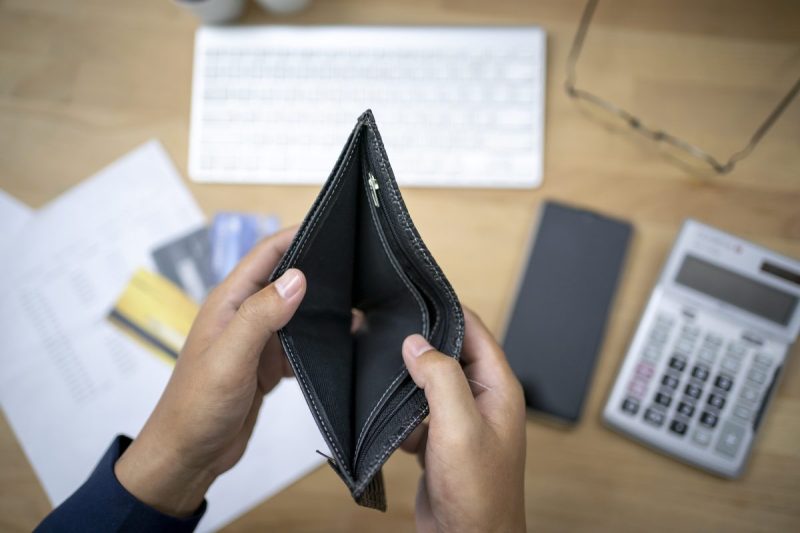
A recent viral essay has ignited discussions surrounding the definition of poverty and what it truly means to be middle class in 2025. The claim that an annual income of $140,000 should be considered the “real poverty line” has caught the attention of social media users and economic experts alike, prompting a reevaluation of income standards.
The essay, which gained traction across various social media platforms, argues that the traditional markers of poverty do not accurately reflect the rising cost of living in many urban areas. Authors highlight that expenses such as housing, education, and healthcare have surged, making it increasingly difficult for families earning $140,000 to maintain a comfortable standard of living.
Understanding the Context of Middle-Class Income
As inflation continues to affect economies globally, the concept of middle-class income is undergoing significant scrutiny. The author of the essay suggests that many families, even those with seemingly high incomes, struggle to afford basic necessities. This perspective challenges the long-held belief that earning over $100,000 automatically places individuals in a secure financial position.
Social media users have responded passionately to the essay, with many sharing their personal experiences related to income and living costs. Some argue that the perception of poverty has shifted, while others believe that the claim oversimplifies a complex issue. The conversation has prompted many to reconsider their definitions of financial stability and poverty.
Expert Opinions on Income Disparity
To add depth to the discussion, several economic experts weighed in on the implications of labeling $140,000 as the poverty line. According to Dr. Emily Carter, an economist at the University of Cambridge, “This assertion reflects a growing concern about income inequality and the rising cost of living in urban centres.” Dr. Carter emphasizes the importance of addressing these disparities to ensure that all individuals can achieve a decent quality of life.
While the essay’s claim may seem radical to some, it aligns with broader conversations about economic disparities worldwide. Many experts argue that more comprehensive measures are needed to assess poverty and income inequality effectively.
The ongoing debate surrounding the essay indicates a shift in societal values regarding wealth and poverty. As economic challenges persist, defining the middle class will likely remain a contentious issue, influencing policy decisions and public perceptions in the years to come.
In conclusion, the viral claim that $140,000 represents the new poverty line has sparked an essential dialogue about income, living costs, and societal expectations. As more individuals contribute their perspectives, it becomes clear that understanding economic conditions requires a nuanced approach that considers the diverse experiences of families worldwide.

Trump to Announce Lower Fuel Economy Standards Today at 2:30 PM

Airbus Cuts A320 Delivery Target by 30 Amid Fuselage Inspection

Macy’s Boosts Sales Outlook Amid Strong Holiday Spending Surge

Scandal Unfolds: Robert F. Kennedy Jr. and Journalist Olivia Nuzzi

Stream These 3 Must-See HBO Max Shows This December

Canadian Woman’s Journey in Germany Takes Surprising Turn

Jimmy Kimmel Honored with President’s Award at ICG Publicists Awards

Viral Essay Claims $140,000 as ‘Real Poverty Line’ Sparks Debate

Streamlining Energy Transition with Hardware-in-the-Loop Testing

Urgent Update: Tom Aspinall’s Vision Deteriorates After UFC 321

MIT Scientists Uncover Surprising Genomic Loops During Cell Division

University of Hawaiʻi Joins $25.6M AI Project to Enhance Disaster Monitoring

AI Disruption: AWS Faces Threat as Startups Shift Cloud Focus

Time Crystals Revolutionize Quantum Computing Potential

Honeywell Forecasts Record Business Jet Deliveries Over Next Decade

Discover the Full Map of Pokémon Legends: Z-A’s Lumiose City

GOP Faces Backlash as Protests Surge Against Trump Policies

Judge Signals Dismissal of Chelsea Housing Case Citing AI Flaws
-
 Top Stories1 month ago
Urgent Update: Tom Aspinall’s Vision Deteriorates After UFC 321
-
 Health2 months ago
MIT Scientists Uncover Surprising Genomic Loops During Cell Division
-
Science1 month ago
University of Hawaiʻi Joins $25.6M AI Project to Enhance Disaster Monitoring
-
 Top Stories2 months ago
AI Disruption: AWS Faces Threat as Startups Shift Cloud Focus
-
 Science2 months ago
Time Crystals Revolutionize Quantum Computing Potential
-
 World2 months ago
Honeywell Forecasts Record Business Jet Deliveries Over Next Decade
-
 Entertainment2 months ago
Discover the Full Map of Pokémon Legends: Z-A’s Lumiose City
-
 Top Stories2 months ago
GOP Faces Backlash as Protests Surge Against Trump Policies
-
 Politics2 months ago
Judge Signals Dismissal of Chelsea Housing Case Citing AI Flaws
-

 Entertainment2 months ago
Parenthood Set to Depart Hulu: What Fans Need to Know
-

 Sports2 months ago
Yoshinobu Yamamoto Shines in Game 2, Leading Dodgers to Victory
-

 Health2 months ago
Maine Insurers Cut Medicare Advantage Plans Amid Cost Pressures