
Health
U.S. Vaccine Advisory Committee Alters Hepatitis B Recommendations

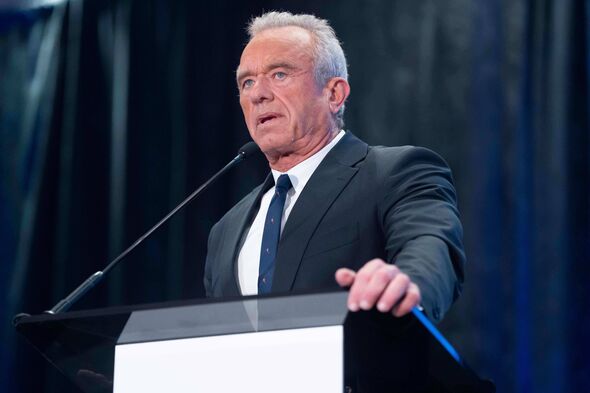
A federal vaccine advisory committee has voted to revise the longstanding recommendation that all infants in the United States receive the hepatitis B vaccine at birth. This decision, made on October 20, 2023, by a committee appointed by U.S. Health Secretary Robert F. Kennedy Jr., alters a public health policy that has been in place since 1991 and aims to reduce the occurrence of this liver infection in newborns.
The committee now suggests that the birth dose of the hepatitis B vaccine be administered only to infants whose mothers test positive for the virus or whose infection status is unknown. For other infants, the decision to vaccinate at birth will be left to the discretion of parents and their healthcare providers. If parents opt against the birth dose, vaccinations against hepatitis B are recommended to start no earlier than two months of age.
Concerns have been raised regarding this shift. Many medical professionals argue that the vaccine has been a critical tool in preventing thousands of infections and that altering the recommendation could lead to increased cases of hepatitis B among children. The acting director of the Centers for Disease Control and Prevention (CDC), Jim O’Neill, is expected to announce whether he will accept the committee’s recommendations, a decision that carries significant weight given the historical adherence to the committee’s guidance.
Committee’s Rationale and Criticism
During discussions, some committee members expressed that the risk of hepatitis B infection in most newborns is low. They argued that previous studies assessing the vaccine’s safety were limited, suggesting that larger, more comprehensive studies could reveal potential long-term risks associated with the birth dose. Vicky Pebsworth, a committee member, attributed the urgency of reevaluating the recommendation to “pressure from stakeholder groups,” although she did not specify which groups were involved.
Despite these concerns, many health experts disagree with the committee’s conclusions. The American Academy of Pediatrics and various other medical organizations have voiced alarm, warning that the revised recommendation could jeopardize public health efforts that have successfully reduced the incidence of hepatitis B in children.
During the two-day meeting, committee member Dr. Joseph Hibbeln criticized the proposal, stating that there was no substantial evidence supporting the delay of the vaccine for two months. He described the decision as “unconscionable” and emphasized that the absence of documented harm from the birth doses should not warrant a change in policy.
The committee chair, Dr. Kirk Milhoan, defended the new recommendation, indicating that two months was chosen as a developmental milestone for infants. However, this rationale faced skepticism, with some members questioning the scientific basis for the change.
Future Implications and Expert Opinions
The ramifications of this decision extend beyond immediate health concerns. Experts fear that the committee’s focus has shifted towards individual risks rather than the broader public health implications of vaccination. Dr. Robert Malone, another committee member, highlighted the paradox of evaluating vaccinations solely on an individual basis rather than as a strategy to prevent the spread of infectious diseases.
Critics have pointed out that the committee’s recent meetings have excluded traditional presentations of vaccine safety and effectiveness data from CDC scientists. Instead, the forums have seen increased participation from individuals known for their anti-vaccine advocacy. This shift has raised questions about the committee’s credibility and commitment to evidence-based recommendations.
Senator Bill Cassidy, who chairs the Senate health committee and is a liver specialist, characterized the committee’s vote as a serious misstep, stating, “This makes America sicker.” His sentiments echo those of many public health advocates who worry that the revised recommendations will result in greater vulnerability among unvaccinated children.
The committee’s decision will require careful consideration as O’Neill reviews the recommendations. With the health of future generations at stake, the outcome of this deliberation could significantly influence vaccination practices across the United States. As discussions continue, the balance between individual choice and communal health remains a pivotal issue in the evolving landscape of public health policy.

Philadelphia Parks Launch Free Earth Month Events Starting April 1

Bradford’s Fish Fry Fridays Serve Community with Delicious Dinners

Trump Faces Growing Challenges Amid Rising Tensions with Iran

Scientists Probe the Universe’s Missing Topological Defects

Samsung Galaxy Watch 9 to Feature Larger 435mAh Battery

UConn Huskies Aim to Defend Title in 2026 NCAA Women’s Tournament

U.S. Littoral Combat Ships Dock in Malaysia Amid Regional Tensions

Healthy Choice Wellness Reports Quarterly Earnings, Shares Rise

Urgent News: Charles M. Payment Passes Away at 78 in Duluth

University of Hawaiʻi Joins $25.6M AI Project to Enhance Disaster Monitoring

Major Grant Enhances Cancer Care and Research in Hawaiʻi

Joleen Chaney, Beloved Journalist, Passes Leaving Lasting Legacy

San Francisco’s SFO to Welcome 16 Airlines with Nonstop Flights to Europe in 2026

Goldman Sachs Unveils 2026 Catalyst Playbook for Biotech Investors

Discover Top Business Smartphones for Professionals in 2026

Urgent Update: Tom Aspinall’s Vision Deteriorates After UFC 321

Texas Roadhouse Honors Veterans with Free Meal Vouchers

CD Projekt Red Confirms No Release for The Witcher 4 in 2026
-
Science9 months ago
University of Hawaiʻi Joins $25.6M AI Project to Enhance Disaster Monitoring
-
 Health8 months ago
Major Grant Enhances Cancer Care and Research in Hawaiʻi
-
 Top Stories9 months ago
Joleen Chaney, Beloved Journalist, Passes Leaving Lasting Legacy
-
 World7 months ago
San Francisco’s SFO to Welcome 16 Airlines with Nonstop Flights to Europe in 2026
-
 Business8 months ago
Goldman Sachs Unveils 2026 Catalyst Playbook for Biotech Investors
-
 Business8 months ago
Discover Top Business Smartphones for Professionals in 2026
-
 Top Stories10 months ago
Urgent Update: Tom Aspinall’s Vision Deteriorates After UFC 321
-
 Lifestyle9 months ago
Texas Roadhouse Honors Veterans with Free Meal Vouchers
-
 Entertainment8 months ago
CD Projekt Red Confirms No Release for The Witcher 4 in 2026
-

 Top Stories10 months ago
AI Disruption: AWS Faces Threat as Startups Shift Cloud Focus
-

 Health10 months ago
MIT Scientists Uncover Surprising Genomic Loops During Cell Division
-

 Entertainment10 months ago
Discover the Full Map of Pokémon Legends: Z-A’s Lumiose City