
World
China Demands Majority Stake in Panama Ports Deal, Blocking Progress

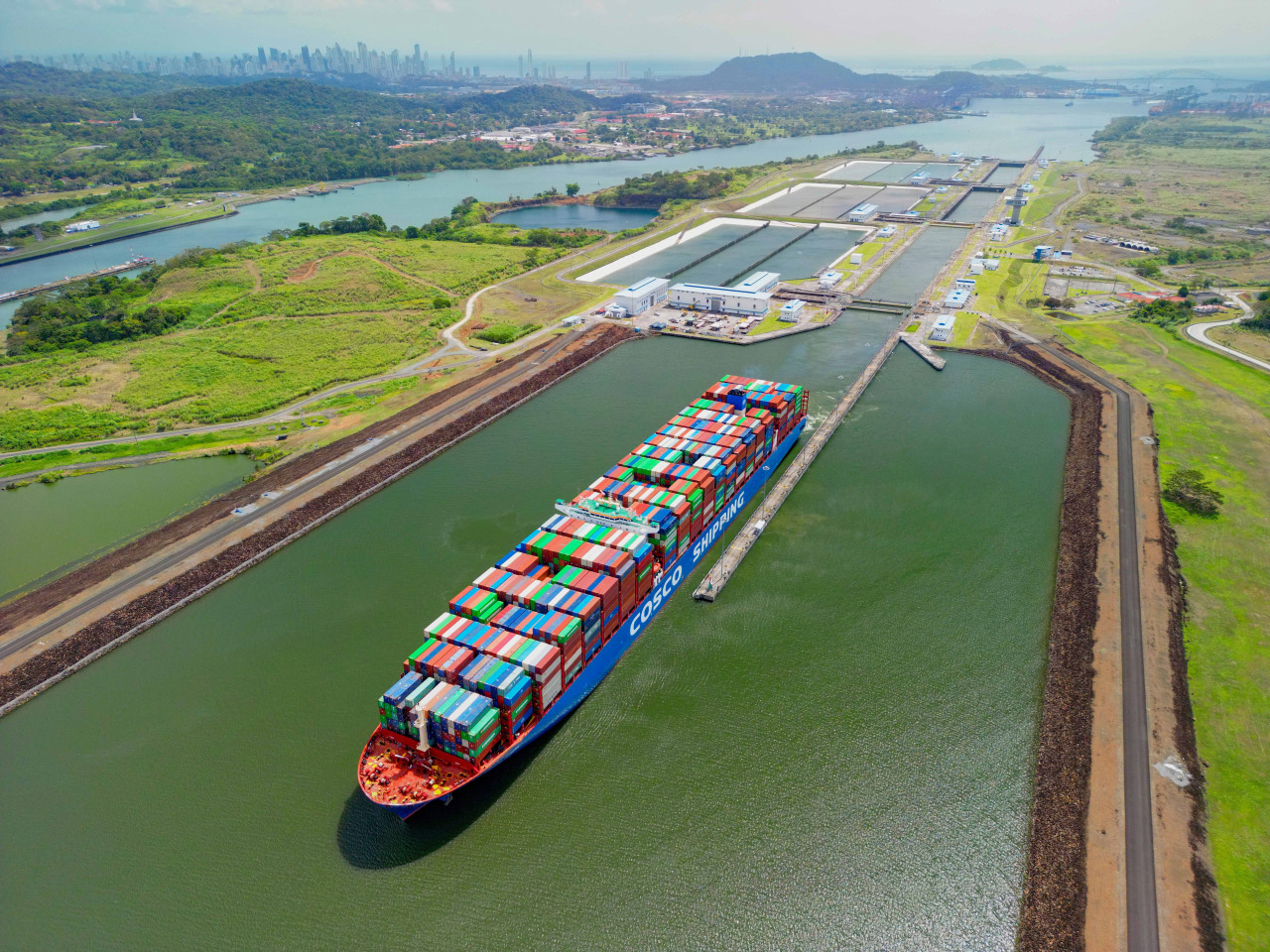
Negotiations surrounding a significant deal involving Panama’s ports have reached a critical standstill as China has introduced new demands that could jeopardize the transaction. The proposed agreement, led by investment firm BlackRock, aims to acquire port operations in Panama for approximately $1 billion. However, China’s state-owned shipping giant Cosco is now insisting on securing a majority stake in the deal before granting its approval.
The situation arises from Panama’s strategic position as a vital maritime hub, especially given its proximity to the Panama Canal. This canal is one of the most important waterways globally, facilitating the transit of large volumes of cargo between the Atlantic and Pacific Oceans. The deal’s potential benefits for Panama include improved infrastructure and increased foreign investment, but the new demands from China complicate these prospects.
China’s Strategic Interests in Panama
China’s interest in Panama has been robust, particularly as it seeks to expand its influence in Latin America. The proposed deal would not only enhance China’s shipping capabilities but also solidify its economic footprint in a region that has traditionally been dominated by the United States.
According to reports from the Panama Canal Authority, negotiations had initially progressed smoothly, with expectations that the agreement would bring significant investment into the local economy. However, the new stipulations from China have created uncertainty. The Chinese government is now emphasizing that Cosco must hold a controlling interest in order to safeguard its strategic interests in the region.
This insistence on a majority stake reflects broader patterns in China’s international dealings, where securing dominant positions in critical infrastructure projects is often prioritized. The potential blocking of this deal could have significant implications for the future of Panama’s port operations and its relationship with foreign investors.
Impacts on Investment and Local Economy
Should the deal falter, the consequences for Panama could be substantial. The infusion of investment from BlackRock was seen as a means to modernize port facilities and improve logistical efficiency. Local businesses and workers had anticipated job creation and economic growth resulting from the deal.
In contrast, if negotiations collapse, Panama may face challenges in attracting future investments, particularly from other international firms wary of similar complications. The situation could deter potential investors who may view the instability of negotiations as a risk factor.
The ongoing discussions reflect the delicate balance of international relations in the region. Panama has been navigating its relationships with both the United States and China, seeking to benefit from both while maintaining its sovereignty. The outcome of this impasse will likely influence Panama’s strategic direction and its role as a key player in global trade.
In summary, the deadlock in negotiations over the Panama ports deal highlights the complexities of international business transactions, especially when national interests are at play. As discussions continue, the world will be watching closely to see how this situation unfolds and what it means for Panama’s economic future.

At Least 17 Dead as Gaza Faces Deadly Floods and Freezing Temps

Seven Tech Startups Surpass $100B Valuations, Ushering Hectocorn Era

Falcons Face Quarterback Dilemma as Kirk Cousins Reflects on Future

Allegations of Coup in Guinea-Bissau Raise Questions on Leadership

Leanne Ford Transforms 20th-Century Cottage into a Cozy Retreat

Discover the Top Classical Albums to Experience in 2025

Rising Insurance Rates Fuel Debate Over Obamacare’s Future

Amazon Offers 7.5-Quart Dutch Oven at Holiday Price of $70

Jason Kelce Confirms NFL Retirement After Brother’s Plea

Urgent Update: Tom Aspinall’s Vision Deteriorates After UFC 321

University of Hawaiʻi Joins $25.6M AI Project to Enhance Disaster Monitoring

MIT Scientists Uncover Surprising Genomic Loops During Cell Division

AI Disruption: AWS Faces Threat as Startups Shift Cloud Focus

Time Crystals Revolutionize Quantum Computing Potential

Discover the Full Map of Pokémon Legends: Z-A’s Lumiose City

Honeywell Forecasts Record Business Jet Deliveries Over Next Decade

GOP Faces Backlash as Protests Surge Against Trump Policies

Judge Signals Dismissal of Chelsea Housing Case Citing AI Flaws
-
 Top Stories2 months ago
Urgent Update: Tom Aspinall’s Vision Deteriorates After UFC 321
-
Science2 months ago
University of Hawaiʻi Joins $25.6M AI Project to Enhance Disaster Monitoring
-
 Health2 months ago
MIT Scientists Uncover Surprising Genomic Loops During Cell Division
-
 Top Stories2 months ago
AI Disruption: AWS Faces Threat as Startups Shift Cloud Focus
-
 Science2 months ago
Time Crystals Revolutionize Quantum Computing Potential
-
 Entertainment2 months ago
Discover the Full Map of Pokémon Legends: Z-A’s Lumiose City
-
 World2 months ago
Honeywell Forecasts Record Business Jet Deliveries Over Next Decade
-
 Top Stories2 months ago
GOP Faces Backlash as Protests Surge Against Trump Policies
-
 Politics2 months ago
Judge Signals Dismissal of Chelsea Housing Case Citing AI Flaws
-

 Entertainment2 months ago
Parenthood Set to Depart Hulu: What Fans Need to Know
-

 Top Stories1 month ago
Joleen Chaney, Beloved Journalist, Passes Leaving Lasting Legacy
-

 Sports2 months ago
Yoshinobu Yamamoto Shines in Game 2, Leading Dodgers to Victory