
Health
Lawmakers Face Pressure on Health Care Subsidies Amid Abortion Debate

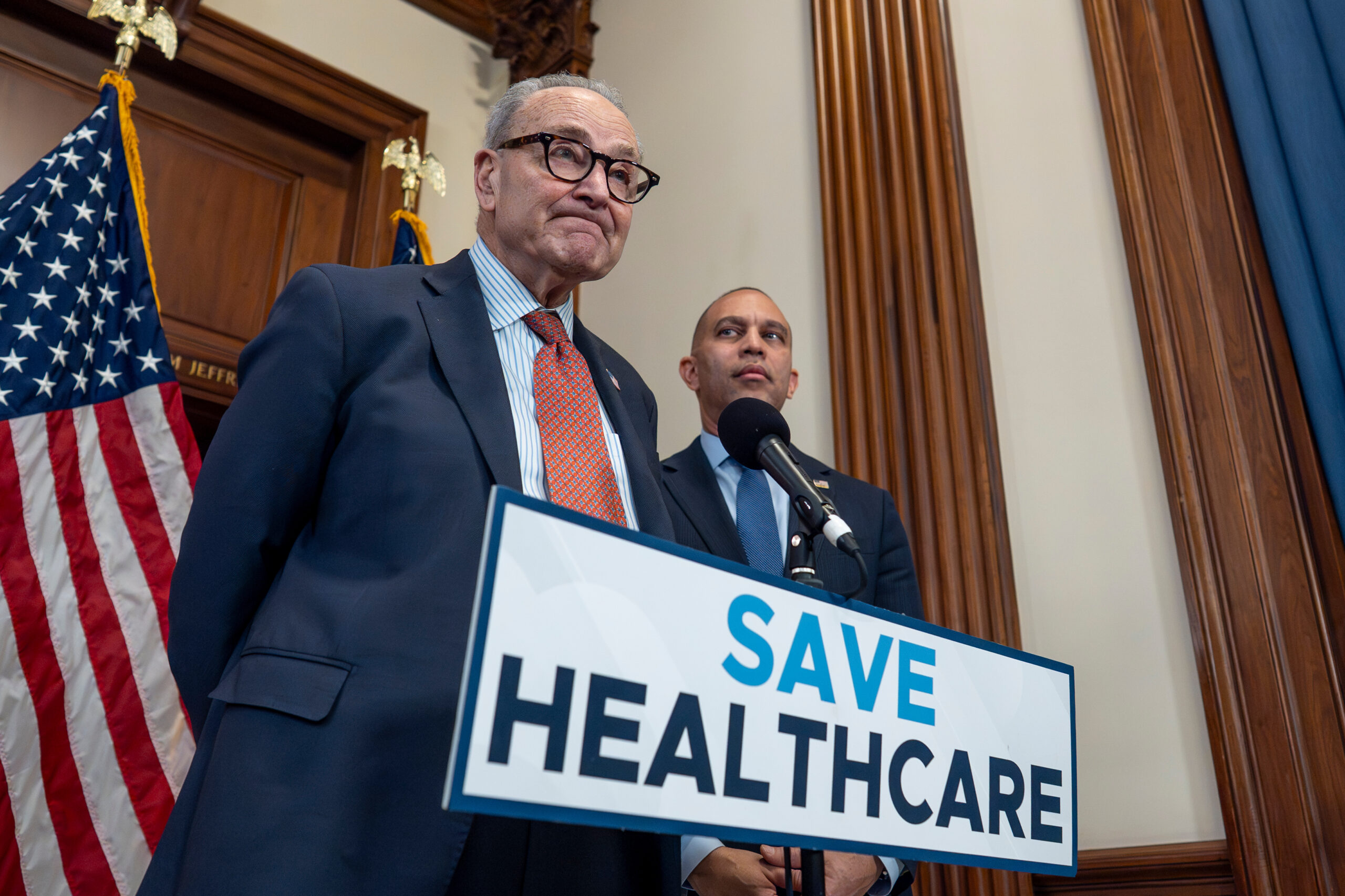
The ongoing debate over health care subsidies in the United States has become entangled with the contentious issue of abortion. Both abortion-rights and anti-abortion groups are exerting considerable pressure on lawmakers, warning that any decisions made could have significant repercussions in the upcoming midterm elections.
As lawmakers navigate this complex landscape, they must contend with the divergent views of advocacy groups. According to a recent survey by the Pew Research Center, approximately 61% of Americans support legal access to abortion. This figure underscores the potential political fallout for lawmakers who oppose abortion rights.
Political Stakes in the Midterms
The midterm elections, scheduled for November 8, 2024, are fast approaching, and both sides of the abortion debate are mobilizing their supporters. Abortion-rights organizations are emphasizing the importance of reproductive health access as a critical issue that could influence voters. In contrast, anti-abortion groups are urging lawmakers to maintain restrictive policies, arguing that doing so aligns with their constituents’ values.
Leaders from both sides have made their positions clear. The president of the National Abortion Federation, Dr. B. R. Johnson, stated, “Legislators who ignore the will of the people will face consequences at the ballot box.” Meanwhile, Mark Thompson, spokesperson for the Coalition for Life, warned lawmakers that failing to uphold anti-abortion measures could lead to significant voter backlash.
The stakes are particularly high in swing districts, where voter sentiment on abortion can tip the balance of power. Analysts suggest that candidates may find themselves in a precarious position, torn between party loyalty and the opinions of their constituents.
Implications for Health Care Policy
The intersection of health care policy and abortion rights is becoming increasingly complex. As lawmakers consider potential reforms to health care subsidies, they must weigh the implications of including or excluding abortion-related services. The Affordable Care Act (ACA) currently allows states the flexibility to determine what services are covered, leading to a patchwork of policies across the nation.
Some states have moved to restrict access to abortion services, while others have sought to expand coverage. This inconsistency has created confusion for patients and providers alike. A report from the Guttmacher Institute indicates that states restricting abortion access have seen a decline in overall health care quality, further complicating the conversation about subsidies.
The outcome of this debate may impact more than just abortion access; it could reshape the broader landscape of health care in the United States. Lawmakers are tasked with finding solutions that satisfy both sides while addressing the needs of their constituents.
As the midterms draw closer, the pressure on lawmakers to take a definitive stance on health care subsidies and abortion rights will likely intensify. The decisions they make over the coming months could have lasting implications for both their political futures and the health care landscape in the United States.
In summary, the battle over health care subsidies is increasingly intertwined with the abortion debate, forcing lawmakers to confront the realities of public opinion and the potential consequences of their actions. With the midterms on the horizon, the pressure is mounting for a resolution that satisfies a divided electorate.

Philadelphia Parks Launch Free Earth Month Events Starting April 1

Bradford’s Fish Fry Fridays Serve Community with Delicious Dinners

Trump Faces Growing Challenges Amid Rising Tensions with Iran

Scientists Probe the Universe’s Missing Topological Defects

Samsung Galaxy Watch 9 to Feature Larger 435mAh Battery

UConn Huskies Aim to Defend Title in 2026 NCAA Women’s Tournament

U.S. Littoral Combat Ships Dock in Malaysia Amid Regional Tensions

Healthy Choice Wellness Reports Quarterly Earnings, Shares Rise

Urgent News: Charles M. Payment Passes Away at 78 in Duluth

University of Hawaiʻi Joins $25.6M AI Project to Enhance Disaster Monitoring

Major Grant Enhances Cancer Care and Research in Hawaiʻi

Joleen Chaney, Beloved Journalist, Passes Leaving Lasting Legacy

San Francisco’s SFO to Welcome 16 Airlines with Nonstop Flights to Europe in 2026

Goldman Sachs Unveils 2026 Catalyst Playbook for Biotech Investors

Discover Top Business Smartphones for Professionals in 2026

Urgent Update: Tom Aspinall’s Vision Deteriorates After UFC 321

Texas Roadhouse Honors Veterans with Free Meal Vouchers

CD Projekt Red Confirms No Release for The Witcher 4 in 2026
-
Science9 months ago
University of Hawaiʻi Joins $25.6M AI Project to Enhance Disaster Monitoring
-
 Health8 months ago
Major Grant Enhances Cancer Care and Research in Hawaiʻi
-
 Top Stories9 months ago
Joleen Chaney, Beloved Journalist, Passes Leaving Lasting Legacy
-
 World7 months ago
San Francisco’s SFO to Welcome 16 Airlines with Nonstop Flights to Europe in 2026
-
 Business8 months ago
Goldman Sachs Unveils 2026 Catalyst Playbook for Biotech Investors
-
 Business8 months ago
Discover Top Business Smartphones for Professionals in 2026
-
 Top Stories10 months ago
Urgent Update: Tom Aspinall’s Vision Deteriorates After UFC 321
-
 Lifestyle9 months ago
Texas Roadhouse Honors Veterans with Free Meal Vouchers
-
 Entertainment8 months ago
CD Projekt Red Confirms No Release for The Witcher 4 in 2026
-

 Top Stories10 months ago
AI Disruption: AWS Faces Threat as Startups Shift Cloud Focus
-

 Health10 months ago
MIT Scientists Uncover Surprising Genomic Loops During Cell Division
-

 Entertainment10 months ago
Discover the Full Map of Pokémon Legends: Z-A’s Lumiose City