
Science
Washington Eyes Private Sector to Propel Biotech Growth Against China

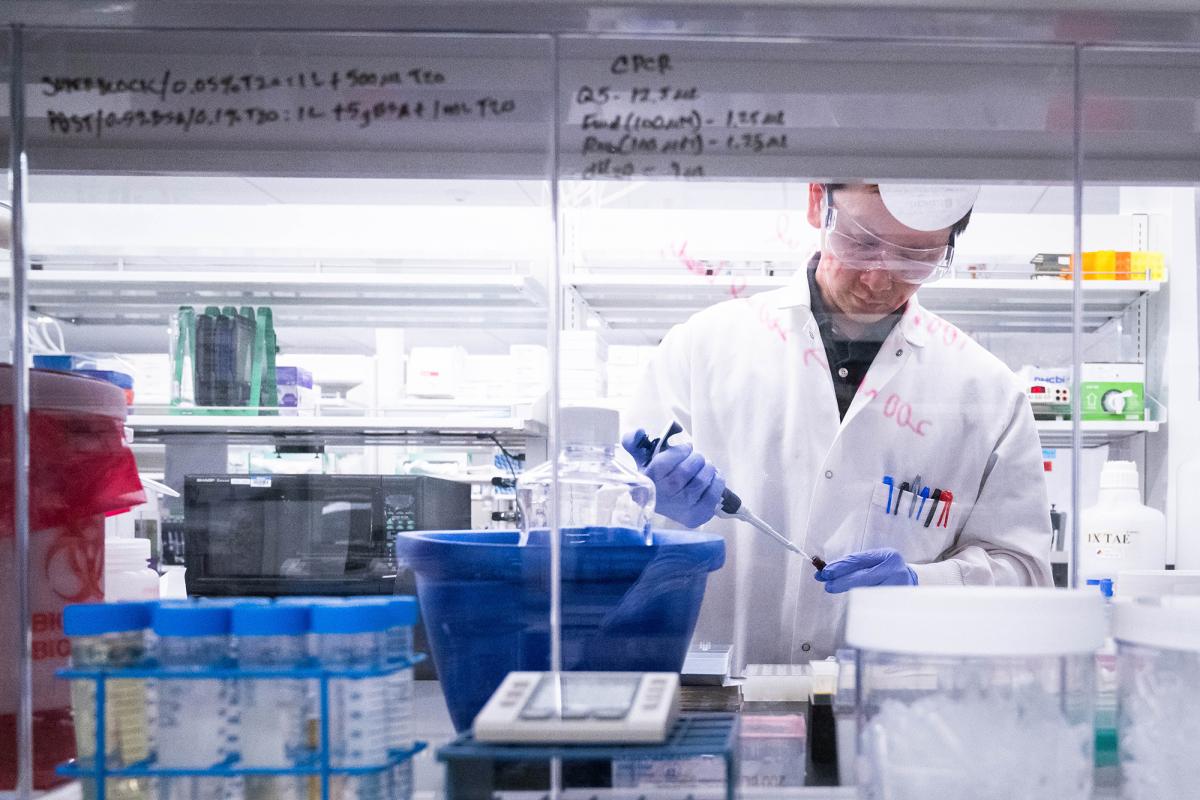
The United States is aiming to enhance its competitive edge in the biotechnology sector by leveraging the private sector, a move seen as essential to counter China’s growing influence. Policymakers in Washington, D.C., are advocating for reforms that would encourage innovation, investment, and collaboration between government and private entities. This strategy aims to maintain the U.S. leadership in biotechnology, which is increasingly critical for national security and economic stability.
The U.S. biotech industry is projected to be worth over $100 billion by the end of 2023, underscoring its significance on the global stage. With China investing heavily in biotechnology, U.S. officials are concerned that delays in domestic innovation could lead to a loss of competitive advantage. Recent reports from the National Institutes of Health (NIH) indicate that the U.S. must act swiftly to enhance its position.
Encouraging Innovation through Investment
To stimulate growth, Washington is considering a variety of measures aimed at attracting investment and fostering innovation. One key proposal is to increase funding for organizations like the Biomedical Advanced Research and Development Authority (BARDA) and the National Science Foundation (NSF). These organizations play a crucial role in advancing research and development in biotechnology.
Government officials are also exploring ways to streamline regulatory processes. By making it easier for biotech firms to bring new products to market, the U.S. aims to encourage startups and established companies alike to invest in groundbreaking research. This approach could also facilitate faster responses to public health crises, as seen during the COVID-19 pandemic.
Collaboration between the public and private sectors is another focus area. By creating partnerships, the U.S. government can leverage the expertise and resources of private companies to accelerate research efforts. Such collaborations have the potential to yield significant advancements in areas such as gene therapy, vaccine development, and personalized medicine.
Global Implications and Strategic Importance
The implications of these initiatives extend beyond economic concerns. As biotechnology plays an increasingly pivotal role in global health and security, the U.S. must ensure that it remains at the forefront of innovation. The ongoing competition with China highlights the strategic importance of maintaining a robust biotech sector.
Officials argue that the stakes are high. A lack of innovation could hinder the U.S. ability to respond to future health challenges and could impact its geopolitical standing. The growing reliance on foreign biotech solutions may pose risks to both public health and national security.
In conclusion, bolstering the private sector’s role in biotechnology is seen as a vital strategy for the United States. By fostering innovation, encouraging investment, and facilitating collaboration, Washington aims to secure its position as a leader in the biotechnology race against China. As the global landscape evolves, the actions taken today could have lasting implications for health, economy, and security in the years to come.

Philadelphia Parks Launch Free Earth Month Events Starting April 1

Bradford’s Fish Fry Fridays Serve Community with Delicious Dinners

Trump Faces Growing Challenges Amid Rising Tensions with Iran

Scientists Probe the Universe’s Missing Topological Defects

Samsung Galaxy Watch 9 to Feature Larger 435mAh Battery

UConn Huskies Aim to Defend Title in 2026 NCAA Women’s Tournament

U.S. Littoral Combat Ships Dock in Malaysia Amid Regional Tensions

Healthy Choice Wellness Reports Quarterly Earnings, Shares Rise

Urgent News: Charles M. Payment Passes Away at 78 in Duluth

University of Hawaiʻi Joins $25.6M AI Project to Enhance Disaster Monitoring

Major Grant Enhances Cancer Care and Research in Hawaiʻi

Joleen Chaney, Beloved Journalist, Passes Leaving Lasting Legacy

San Francisco’s SFO to Welcome 16 Airlines with Nonstop Flights to Europe in 2026

Goldman Sachs Unveils 2026 Catalyst Playbook for Biotech Investors

Discover Top Business Smartphones for Professionals in 2026

Urgent Update: Tom Aspinall’s Vision Deteriorates After UFC 321

Texas Roadhouse Honors Veterans with Free Meal Vouchers

CD Projekt Red Confirms No Release for The Witcher 4 in 2026
-
Science9 months ago
University of Hawaiʻi Joins $25.6M AI Project to Enhance Disaster Monitoring
-
 Health8 months ago
Major Grant Enhances Cancer Care and Research in Hawaiʻi
-
 Top Stories9 months ago
Joleen Chaney, Beloved Journalist, Passes Leaving Lasting Legacy
-
 World7 months ago
San Francisco’s SFO to Welcome 16 Airlines with Nonstop Flights to Europe in 2026
-
 Business8 months ago
Goldman Sachs Unveils 2026 Catalyst Playbook for Biotech Investors
-
 Business7 months ago
Discover Top Business Smartphones for Professionals in 2026
-
 Top Stories9 months ago
Urgent Update: Tom Aspinall’s Vision Deteriorates After UFC 321
-
 Lifestyle9 months ago
Texas Roadhouse Honors Veterans with Free Meal Vouchers
-
 Entertainment8 months ago
CD Projekt Red Confirms No Release for The Witcher 4 in 2026
-

 Top Stories10 months ago
AI Disruption: AWS Faces Threat as Startups Shift Cloud Focus
-

 Health10 months ago
MIT Scientists Uncover Surprising Genomic Loops During Cell Division
-

 Entertainment10 months ago
Discover the Full Map of Pokémon Legends: Z-A’s Lumiose City