
Top Stories
Mikhail Gorbachev Receives Nobel Peace Prize: A Historic Honor

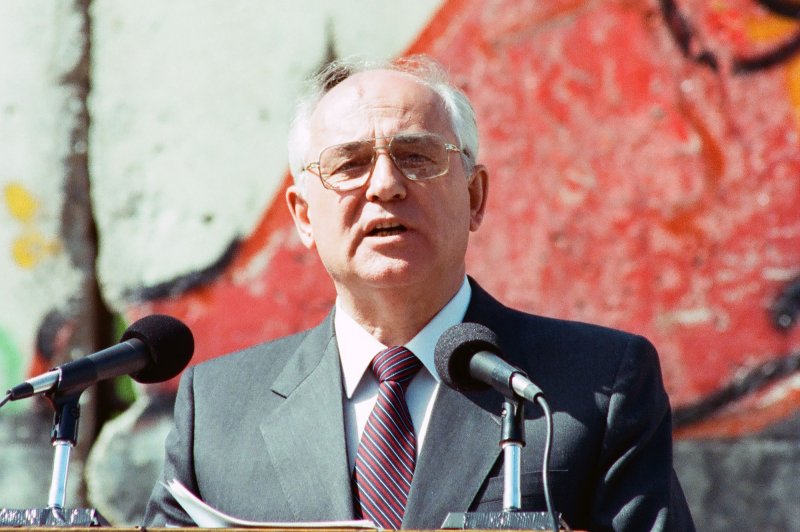
BREAKING: On this day, October 15, 1990, former Soviet leader Mikhail Gorbachev was awarded the prestigious Nobel Peace Prize for his monumental efforts in fostering peace and reducing Cold War tensions. This significant event marks a critical moment in history that resonates even today.
Gorbachev’s leadership during the final years of the Soviet Union transformed international relations, paving the way for the fall of the Berlin Wall and the eventual dissolution of the Soviet bloc. His policies of glasnost (openness) and perestroika (restructuring) were groundbreaking, making peace a priority on the global stage.
This award was not just a personal achievement for Gorbachev, but a beacon of hope for millions worldwide who longed for peace after decades of conflict. The Nobel Committee recognized his courageous stance against nuclear arms and his commitment to dialogue over hostility.
In an official statement, the Nobel Committee noted, “Gorbachev’s efforts have brought about a fundamental change in the world order, emphasizing the importance of cooperation in the quest for peace.”
The award ceremony took place in Oslo, Norway, where Gorbachev received the prize amidst global applause for his vision and determination. His legacy continues to inspire current leaders striving for diplomatic solutions in a world still fraught with division.
Today, as we reflect on this historic honor, it is essential to recognize the ongoing significance of Gorbachev’s contributions. His work serves as a reminder of the power of diplomacy and the potential for positive change, even in the most challenging of circumstances.
What happens next? As the world grapples with new geopolitical challenges, Gorbachev’s legacy offers valuable lessons on the importance of peace and collaboration. Observers will be watching to see how today’s leaders apply these principles in their strategies to address ongoing conflicts.
This urgent update not only celebrates Gorbachev’s achievements but also prompts a discussion about the present and future of international relations. Share your thoughts on how his legacy influences today’s political landscape.

Church Members Rally Together After Thanksgiving Fire Devastation

U.S. Investment in Canadian Energy Firms Surges Despite Low Oil Prices

Nick Jonas Unveils New Solo Album ‘Sunday Best’ Set for February Release

Researchers Urge Label Changes for Low-Alcohol Drinks to Aid Pregnant Women

Wedding Cookie Table Community Aims for World’s Largest Cookie Exchange

Mayor Appoints Alan Wong as New Supervisor for District 4

UK Report Reveals Growing Role of AI in University Research Assessments

Mayor Lurie Appoints Alan Wong as New District 4 Supervisor

South Korea Strengthens FX Oversight in Urgent Market Stabilization

Urgent Update: Tom Aspinall’s Vision Deteriorates After UFC 321

MIT Scientists Uncover Surprising Genomic Loops During Cell Division

University of Hawaiʻi Joins $25.6M AI Project to Enhance Disaster Monitoring

AI Disruption: AWS Faces Threat as Startups Shift Cloud Focus

Time Crystals Revolutionize Quantum Computing Potential

Honeywell Forecasts Record Business Jet Deliveries Over Next Decade

Discover the Full Map of Pokémon Legends: Z-A’s Lumiose City

GOP Faces Backlash as Protests Surge Against Trump Policies

Parenthood Set to Depart Hulu: What Fans Need to Know
-
 Top Stories1 month ago
Urgent Update: Tom Aspinall’s Vision Deteriorates After UFC 321
-
 Health1 month ago
MIT Scientists Uncover Surprising Genomic Loops During Cell Division
-
Science4 weeks ago
University of Hawaiʻi Joins $25.6M AI Project to Enhance Disaster Monitoring
-
 Top Stories1 month ago
AI Disruption: AWS Faces Threat as Startups Shift Cloud Focus
-
 Science2 months ago
Time Crystals Revolutionize Quantum Computing Potential
-
 World2 months ago
Honeywell Forecasts Record Business Jet Deliveries Over Next Decade
-
 Entertainment1 month ago
Discover the Full Map of Pokémon Legends: Z-A’s Lumiose City
-
 Top Stories2 months ago
GOP Faces Backlash as Protests Surge Against Trump Policies
-
 Entertainment2 months ago
Parenthood Set to Depart Hulu: What Fans Need to Know
-

 Politics2 months ago
Judge Signals Dismissal of Chelsea Housing Case Citing AI Flaws
-

 Sports2 months ago
Yoshinobu Yamamoto Shines in Game 2, Leading Dodgers to Victory
-

 Health2 months ago
Maine Insurers Cut Medicare Advantage Plans Amid Cost Pressures