
Science
UC San Diego Researcher Receives Grant to Investigate Aging Cells

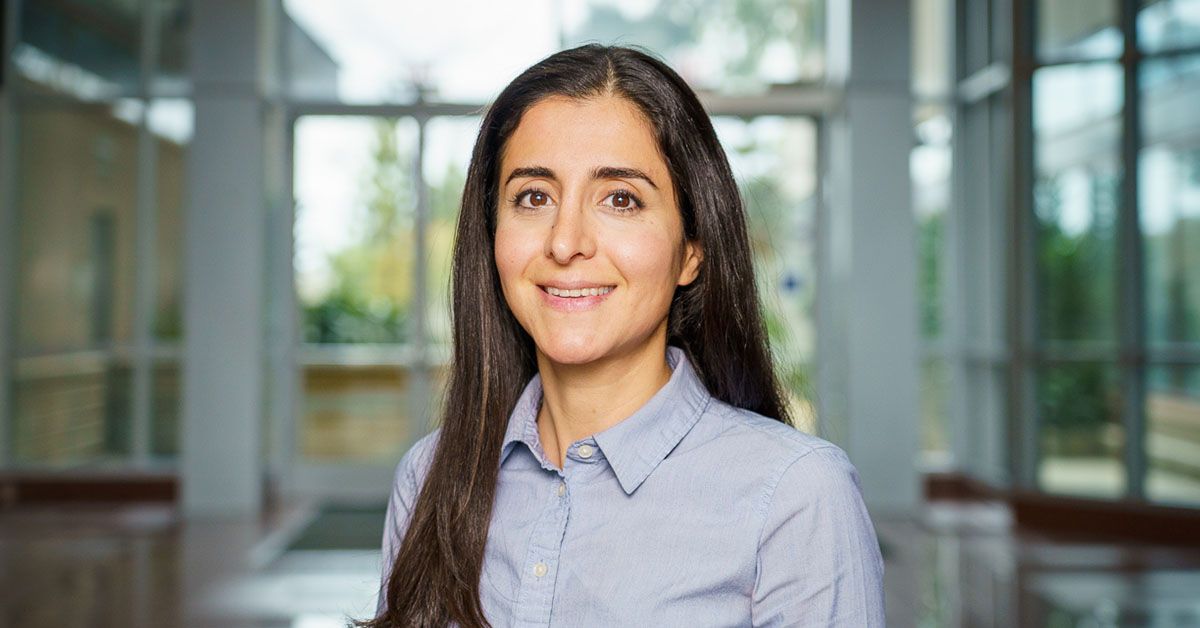
Professor Zeinab Jahed from the University of California San Diego has been awarded a seed grant from the Hypothesis Fund to explore the aging processes in critical cells, specifically those in the brain and heart. This research aims to uncover why certain cells, such as neurons and cardiomyocytes, exhibit signs of aging despite not undergoing cell division.
While most aging research has concentrated on dividing cells, Jahed’s focus challenges this notion by highlighting the unique aging patterns of non-dividing cells. These cells often display early and significant aging-related changes, which Jahed suspects may arise from the gradual deterioration of the nuclear membrane—a vital barrier that safeguards a cell’s DNA.
Exploring Nuclear Membrane Integrity
The project will utilize innovative nanotechnology developed in Jahed’s lab to investigate this hypothesis. The technology features an array of nanosized pillars capable of delicately breaching the nuclear membrane without harming the rest of the cell. When a cell is placed atop this array, its nucleus wraps around the pillars, creating localized curvatures that induce small, temporary ruptures in the nuclear membrane.
Researchers will monitor live cells to assess their ability to repair these ruptures, examining whether this ability diminishes with age. The team will study neurons and cardiomyocytes derived from established aging models at UC San Diego, measuring the frequency of nuclear ruptures, repair speeds, and the impact of these events on DNA integrity, protein localization, and overall cell survival.
Comparative analysis of young and old cells will provide the first quantitative insight into the relationship between age and nuclear membrane integrity in post-mitotic tissues. This groundbreaking research could potentially shift the scientific understanding of aging, suggesting that nuclear damage may not merely be a consequence of aging but could serve as a fundamental cause, particularly in long-lived cells incapable of self-renewal.
Support for Innovative Research
The Hypothesis Fund plays a crucial role in advancing scientific knowledge by supporting early-stage, innovative research. The initiative targets pioneering ideas that might otherwise go unaddressed or underfunded through conventional funding avenues. Jahed’s project exemplifies this mission, with the grant amounting to $1 million.
The outcomes of this research could have significant implications for how scientists approach aging at a cellular level, paving the way for new strategies in understanding and potentially mitigating age-related cellular decline.

Philadelphia Parks Launch Free Earth Month Events Starting April 1

Bradford’s Fish Fry Fridays Serve Community with Delicious Dinners

Trump Faces Growing Challenges Amid Rising Tensions with Iran

Scientists Probe the Universe’s Missing Topological Defects

Samsung Galaxy Watch 9 to Feature Larger 435mAh Battery

UConn Huskies Aim to Defend Title in 2026 NCAA Women’s Tournament

U.S. Littoral Combat Ships Dock in Malaysia Amid Regional Tensions

Healthy Choice Wellness Reports Quarterly Earnings, Shares Rise

Urgent News: Charles M. Payment Passes Away at 78 in Duluth

University of Hawaiʻi Joins $25.6M AI Project to Enhance Disaster Monitoring

Major Grant Enhances Cancer Care and Research in Hawaiʻi

Joleen Chaney, Beloved Journalist, Passes Leaving Lasting Legacy

San Francisco’s SFO to Welcome 16 Airlines with Nonstop Flights to Europe in 2026

Goldman Sachs Unveils 2026 Catalyst Playbook for Biotech Investors

Discover Top Business Smartphones for Professionals in 2026

Urgent Update: Tom Aspinall’s Vision Deteriorates After UFC 321

Texas Roadhouse Honors Veterans with Free Meal Vouchers

CD Projekt Red Confirms No Release for The Witcher 4 in 2026
-
Science9 months ago
University of Hawaiʻi Joins $25.6M AI Project to Enhance Disaster Monitoring
-
 Health8 months ago
Major Grant Enhances Cancer Care and Research in Hawaiʻi
-
 Top Stories9 months ago
Joleen Chaney, Beloved Journalist, Passes Leaving Lasting Legacy
-
 World7 months ago
San Francisco’s SFO to Welcome 16 Airlines with Nonstop Flights to Europe in 2026
-
 Business8 months ago
Goldman Sachs Unveils 2026 Catalyst Playbook for Biotech Investors
-
 Business7 months ago
Discover Top Business Smartphones for Professionals in 2026
-
 Top Stories9 months ago
Urgent Update: Tom Aspinall’s Vision Deteriorates After UFC 321
-
 Lifestyle9 months ago
Texas Roadhouse Honors Veterans with Free Meal Vouchers
-
 Entertainment8 months ago
CD Projekt Red Confirms No Release for The Witcher 4 in 2026
-

 Top Stories10 months ago
AI Disruption: AWS Faces Threat as Startups Shift Cloud Focus
-

 Health10 months ago
MIT Scientists Uncover Surprising Genomic Loops During Cell Division
-

 Entertainment10 months ago
Discover the Full Map of Pokémon Legends: Z-A’s Lumiose City