
Top Stories
Florida House Proposes Urgent Tax Cuts as 2026 Vote Approaches

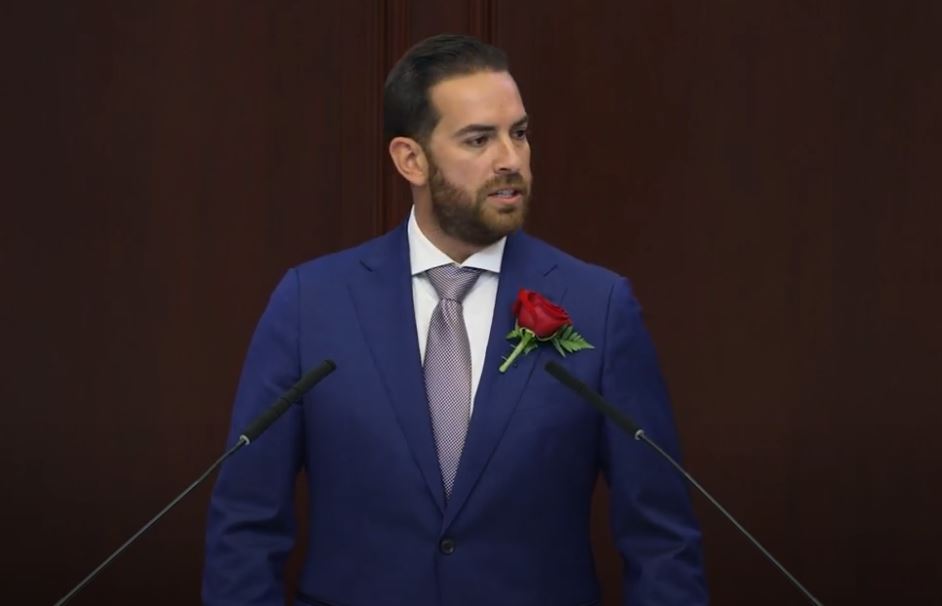
BREAKING: The Florida House has just announced a series of urgent proposals aimed at significantly reducing property taxes, while ensuring essential funding for schools and law enforcement remains intact. House Speaker Daniel Perez outlined these proposals on Thursday, marking a pivotal moment as Gov. Ron DeSantis prioritizes tax cuts for the 2026 elections.
The proposed constitutional amendments will allow Florida voters to decide on various tax reductions, reflecting a growing demand for tax reform across the state. “If we have faith in the voters to elect us, we should not be afraid to let them be a part of the conversation about the taxes they pay,” Perez stated in a memo to House members.
Among the key proposals is HJR 201, sponsored by Rep. Kevin Steele, which seeks to eliminate non-school homestead taxes entirely. Additionally, HJR 203, led by Rep. Monique Miller, aims to phase out these taxes over a ten-year period, increasing the homestead tax exemption by $100,000 annually.
Currently, homeowners benefit from a homestead exemption on the first $25,000 of taxable property value and from local government taxes on values between $50,000 and $75,000. These proposals could dramatically lower tax liabilities for homeowners across the state.
Another significant measure, HJR 205, introduced by Rep. Juan Carlos Porras, would exempt residents aged 65 and older from non-school property taxes. This initiative underscores the House’s commitment to supporting senior citizens as they manage their financial responsibilities.
The implications of these proposals are critical for local governments, which heavily depend on property taxes for funding essential services. Cities and counties are closely monitoring these developments, as they could necessitate alternative revenue sources to offset potential budget shortfalls.
In a recent statement, DeSantis emphasized that most property tax revenue does not originate from homestead properties. “The vast majority of property tax revenue is from second homes, investment properties, and commercial properties,” he explained. He also proposed that the state cover lost property tax revenues for rural counties that face fiscal constraints.
While the Florida Senate has not established a dedicated committee for property tax reform, Majority Leader Jim Boyd expressed interest in addressing this pressing issue. “I do believe there are ways we can make our property tax system more fair and more economical to taxpayers,” Boyd stated.
The legislative session set to commence in January 2024 will provide a platform for lawmakers to deliberate on these proposals, which will require voter approval as they involve constitutional amendments. Other proposals include:
– HJR 207: A new non-school homestead exemption equal to 25% of the assessed value of homes, sponsored by Rep. Shane Abbott.
– HJR 209: An additional $100,000 homestead exemption for property insurance holders, led by Rep. Demi Busatta.
– HJR 211: A measure allowing homeowners to transfer the full value of their “Save Our Homes” benefits to new properties, sponsored by Rep. Toby Overdorf.
– HJR 213: A proposal changing the “Save Our Homes” caps, limiting taxable value increases for homestead property over three years, sponsored by Rep. Griff Griffitts.
– HB 215: A bill requiring two-thirds votes by local governments to raise tax rates, introduced by Rep. Jon Albert.
With these proposals set to reshape Florida’s tax landscape, residents are urged to stay informed and engage in the upcoming discussions. This is a developing story, and we will continue to provide updates as the legislative session approaches. Share your thoughts on these proposed tax cuts and their potential impact on your community.

Japan’s PM Takaichi Vows Urgent Fiscal Management Amid Rate Trends

Bitcoin Plummets Below $88K Amid Tether Concerns and Warnings

Tottenville Falls Short in PSAL 4A Title Game Against Erasmus

Shark Teeth Study Reveals Urgent Clues to Prevent Extinction

Church Members Rally Together After Thanksgiving Fire Devastation

U.S. Investment in Canadian Energy Firms Surges Despite Low Oil Prices

Nick Jonas Unveils New Solo Album ‘Sunday Best’ Set for February Release

Researchers Urge Label Changes for Low-Alcohol Drinks to Aid Pregnant Women

Wedding Cookie Table Community Aims for World’s Largest Cookie Exchange

Urgent Update: Tom Aspinall’s Vision Deteriorates After UFC 321

MIT Scientists Uncover Surprising Genomic Loops During Cell Division

University of Hawaiʻi Joins $25.6M AI Project to Enhance Disaster Monitoring

AI Disruption: AWS Faces Threat as Startups Shift Cloud Focus

Time Crystals Revolutionize Quantum Computing Potential

Honeywell Forecasts Record Business Jet Deliveries Over Next Decade

Discover the Full Map of Pokémon Legends: Z-A’s Lumiose City

GOP Faces Backlash as Protests Surge Against Trump Policies

Parenthood Set to Depart Hulu: What Fans Need to Know
-
 Top Stories1 month ago
Urgent Update: Tom Aspinall’s Vision Deteriorates After UFC 321
-
 Health1 month ago
MIT Scientists Uncover Surprising Genomic Loops During Cell Division
-
Science4 weeks ago
University of Hawaiʻi Joins $25.6M AI Project to Enhance Disaster Monitoring
-
 Top Stories1 month ago
AI Disruption: AWS Faces Threat as Startups Shift Cloud Focus
-
 Science2 months ago
Time Crystals Revolutionize Quantum Computing Potential
-
 World2 months ago
Honeywell Forecasts Record Business Jet Deliveries Over Next Decade
-
 Entertainment1 month ago
Discover the Full Map of Pokémon Legends: Z-A’s Lumiose City
-
 Top Stories2 months ago
GOP Faces Backlash as Protests Surge Against Trump Policies
-
 Entertainment2 months ago
Parenthood Set to Depart Hulu: What Fans Need to Know
-

 Politics2 months ago
Judge Signals Dismissal of Chelsea Housing Case Citing AI Flaws
-

 Sports2 months ago
Yoshinobu Yamamoto Shines in Game 2, Leading Dodgers to Victory
-

 Health2 months ago
Maine Insurers Cut Medicare Advantage Plans Amid Cost Pressures