
World
US Navy Commander Steps Down Amid Controversial Venezuela Strikes

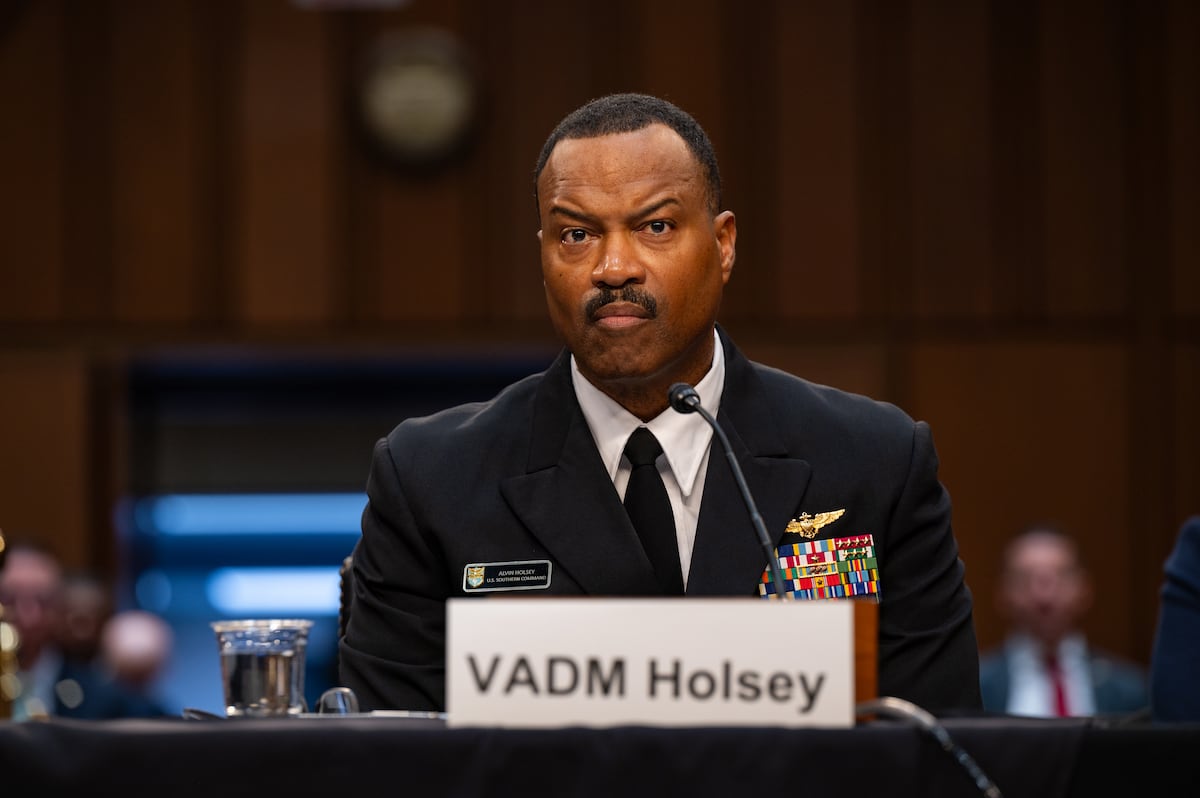
The U.S. Navy commander responsible for military operations in the Caribbean Sea, Admiral Alvin Holsey, has announced his retirement, effective at the end of this year. This decision, confirmed by Defense Secretary Pete Hegseth via social media on Thursday, comes amid rising tensions surrounding military strikes against alleged drug trafficking vessels off the coast of Venezuela.
Hegseth expressed gratitude for Holsey’s more than 37 years of service, yet did not elaborate on the reasons for his departure. Reports from The New York Times indicate that Holsey raised concerns regarding the U.S. military’s ongoing mission in Central and South America, particularly related to recent strikes on boats suspected of carrying drugs.
This announcement follows a military strike that occurred just two days prior, marking the fifth operation targeting what the Trump administration has labeled drug-carrying vessels in the region. These operations have resulted in a total of 27 fatalities since early September 2024. The heightened focus on counter-narcotics began on President Trump’s first day in office when he issued an executive order designating drug cartels as foreign terrorist organizations, allowing the military to take decisive action against them.
The president has also recently authorized the Central Intelligence Agency to conduct covert operations within Venezuela, suggesting a potential escalation in U.S. military involvement in the country. Trump further justified the military strikes during a gathering at Marine Corps Base Quantico on September 30, 2024, stating that each targeted drug boat is responsible for the deaths of approximately 25,000 individuals.
Before leading the U.S. Southern Command, Holsey had an extensive career, deploying with several naval vessels, including the USS Jesse L. Brown and USS Gettysburg. His tenure included roles such as director of Task Force One Navy and deputy chief of naval personnel. Holsey assumed command of the Southern Command in November 2024, following his service as military deputy commander.
The ongoing military operations in the region have sparked debate over the effectiveness and moral implications of such actions. As Admiral Holsey prepares to step down, his departure raises questions about the future direction of U.S. military strategy in Latin America and the broader implications for international relations.
The evolving situation underscores the complexities of U.S. involvement in regional conflicts and the impact on local populations. As the military adjusts its strategies and leadership, the consequences of these operations will likely continue to reverberate both domestically and internationally.

Tottenville Falls Short in PSAL 4A Title Game Against Erasmus

Shark Teeth Study Reveals Urgent Clues to Prevent Extinction

Church Members Rally Together After Thanksgiving Fire Devastation

U.S. Investment in Canadian Energy Firms Surges Despite Low Oil Prices

Nick Jonas Unveils New Solo Album ‘Sunday Best’ Set for February Release

Researchers Urge Label Changes for Low-Alcohol Drinks to Aid Pregnant Women

Wedding Cookie Table Community Aims for World’s Largest Cookie Exchange

Mayor Appoints Alan Wong as New Supervisor for District 4

UK Report Reveals Growing Role of AI in University Research Assessments

Urgent Update: Tom Aspinall’s Vision Deteriorates After UFC 321

MIT Scientists Uncover Surprising Genomic Loops During Cell Division

University of Hawaiʻi Joins $25.6M AI Project to Enhance Disaster Monitoring

AI Disruption: AWS Faces Threat as Startups Shift Cloud Focus

Time Crystals Revolutionize Quantum Computing Potential

Honeywell Forecasts Record Business Jet Deliveries Over Next Decade

Discover the Full Map of Pokémon Legends: Z-A’s Lumiose City

GOP Faces Backlash as Protests Surge Against Trump Policies

Parenthood Set to Depart Hulu: What Fans Need to Know
-
 Top Stories1 month ago
Urgent Update: Tom Aspinall’s Vision Deteriorates After UFC 321
-
 Health1 month ago
MIT Scientists Uncover Surprising Genomic Loops During Cell Division
-
Science4 weeks ago
University of Hawaiʻi Joins $25.6M AI Project to Enhance Disaster Monitoring
-
 Top Stories1 month ago
AI Disruption: AWS Faces Threat as Startups Shift Cloud Focus
-
 Science2 months ago
Time Crystals Revolutionize Quantum Computing Potential
-
 World2 months ago
Honeywell Forecasts Record Business Jet Deliveries Over Next Decade
-
 Entertainment1 month ago
Discover the Full Map of Pokémon Legends: Z-A’s Lumiose City
-
 Top Stories2 months ago
GOP Faces Backlash as Protests Surge Against Trump Policies
-
 Entertainment2 months ago
Parenthood Set to Depart Hulu: What Fans Need to Know
-

 Politics2 months ago
Judge Signals Dismissal of Chelsea Housing Case Citing AI Flaws
-

 Sports2 months ago
Yoshinobu Yamamoto Shines in Game 2, Leading Dodgers to Victory
-

 Health2 months ago
Maine Insurers Cut Medicare Advantage Plans Amid Cost Pressures