
Entertainment
Alfred Hitchcock’s Fury: Michael Caine Rejects Controversial Role

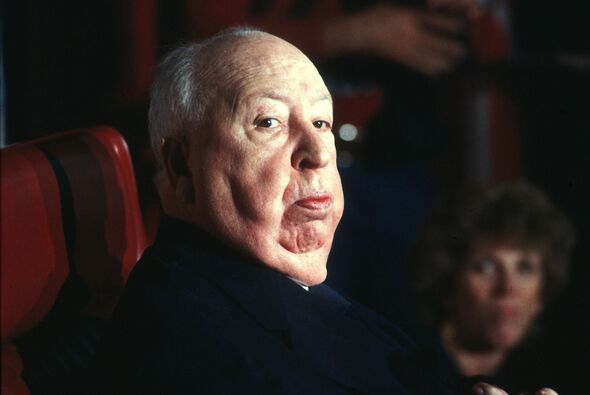
Alfred Hitchcock’s complicated relationships with his actors are well-documented, particularly regarding his female leads. This dynamic extended to male stars as well, as evidenced by his fallout with acclaimed actor Michael Caine over the film Frenzy. Caine’s refusal to participate in what he deemed a morally objectionable role led to a significant rift between the two Hollywood titans.
The conflict began during the early 1970s when Hitchcock sought to cast Caine in his first film shot entirely in the UK since Stage Fright in 1950. Hitchcock was eager to have Caine portray the character of Robert Rusk in Frenzy, a film that would ultimately explore graphic violence and sexual themes unprecedented in Hitchcock’s work. Caine, fresh from the success of films like Get Carter and Alfie, was not pleased with the role.
In fact, Caine called the character a “sadist who murdered women” and expressed strong moral objections to playing such a part. In his own words, he stated, “I have a sort of moral thing and I refused to play it and he never spoke to me again.” This rejection was particularly poignant given that Caine had once hoped to collaborate with the legendary director.
The film, released in 1972, was adapted from the novel Goodbye Piccadilly, Farewell Leicester Square, inspired by the real-life unsolved crimes of Jack the Ripper. Hitchcock’s vision for the film included four nude sequences and delved into themes only hinted at in previous works such as Psycho. The project’s controversial nature led other prominent actresses, including Helen Mirren and Vanessa Redgrave, to turn down roles, while Eileen Atkins criticized the screenplay as “disgusting.” Even Hitchcock’s daughter prohibited her children from watching the film.
Despite the initial backlash, Frenzy became a commercial success, grossing over $12 million against a production budget of $2 million. The film blended dark themes with a touch of humor, a characteristic Hitchcock promised would be part of the experience. While Barry Foster ultimately took on the role intended for Caine, the film received acclaim from critics and audiences alike.
Years later, Caine reflected on his choices and the missed opportunity to work with Hitchcock. Ironically, he would go on to star in films that explored similar themes of violence and disturbed sexuality, such as Dressed to Kill and The Hand.
Despite their feud, Caine and his wife, Shakira, attended the Seventh Annual American Film Institute Lifetime Achievement Awards honoring Hitchcock on March 7, 1979, at the Beverly Hilton Hotel. Whether the two men exchanged words during this event remains unclear, but the unresolved tension from their earlier encounter loomed large over their relationship.
Caine’s moral stance and Hitchcock’s reaction highlight the complexities of artistic collaboration and the personal convictions that can influence career paths in the film industry. The story of their fallout serves as a reminder of the intricate dynamics that can arise in Hollywood, where artistry and ethics often intersect in unexpected ways.

Philadelphia Parks Launch Free Earth Month Events Starting April 1

Bradford’s Fish Fry Fridays Serve Community with Delicious Dinners

Trump Faces Growing Challenges Amid Rising Tensions with Iran

Scientists Probe the Universe’s Missing Topological Defects

Samsung Galaxy Watch 9 to Feature Larger 435mAh Battery

UConn Huskies Aim to Defend Title in 2026 NCAA Women’s Tournament

U.S. Littoral Combat Ships Dock in Malaysia Amid Regional Tensions

Healthy Choice Wellness Reports Quarterly Earnings, Shares Rise

Urgent News: Charles M. Payment Passes Away at 78 in Duluth

University of Hawaiʻi Joins $25.6M AI Project to Enhance Disaster Monitoring

Major Grant Enhances Cancer Care and Research in Hawaiʻi

Joleen Chaney, Beloved Journalist, Passes Leaving Lasting Legacy

San Francisco’s SFO to Welcome 16 Airlines with Nonstop Flights to Europe in 2026

Goldman Sachs Unveils 2026 Catalyst Playbook for Biotech Investors

Discover Top Business Smartphones for Professionals in 2026

Urgent Update: Tom Aspinall’s Vision Deteriorates After UFC 321

Texas Roadhouse Honors Veterans with Free Meal Vouchers

CD Projekt Red Confirms No Release for The Witcher 4 in 2026
-
Science9 months ago
University of Hawaiʻi Joins $25.6M AI Project to Enhance Disaster Monitoring
-
 Health8 months ago
Major Grant Enhances Cancer Care and Research in Hawaiʻi
-
 Top Stories9 months ago
Joleen Chaney, Beloved Journalist, Passes Leaving Lasting Legacy
-
 World7 months ago
San Francisco’s SFO to Welcome 16 Airlines with Nonstop Flights to Europe in 2026
-
 Business8 months ago
Goldman Sachs Unveils 2026 Catalyst Playbook for Biotech Investors
-
 Business7 months ago
Discover Top Business Smartphones for Professionals in 2026
-
 Top Stories9 months ago
Urgent Update: Tom Aspinall’s Vision Deteriorates After UFC 321
-
 Lifestyle9 months ago
Texas Roadhouse Honors Veterans with Free Meal Vouchers
-
 Entertainment8 months ago
CD Projekt Red Confirms No Release for The Witcher 4 in 2026
-

 Top Stories10 months ago
AI Disruption: AWS Faces Threat as Startups Shift Cloud Focus
-

 Health10 months ago
MIT Scientists Uncover Surprising Genomic Loops During Cell Division
-

 Entertainment10 months ago
Discover the Full Map of Pokémon Legends: Z-A’s Lumiose City