
Top Stories
Kaiser Healthcare Strike Ends After 5 Days, Negotiations Set to Resume

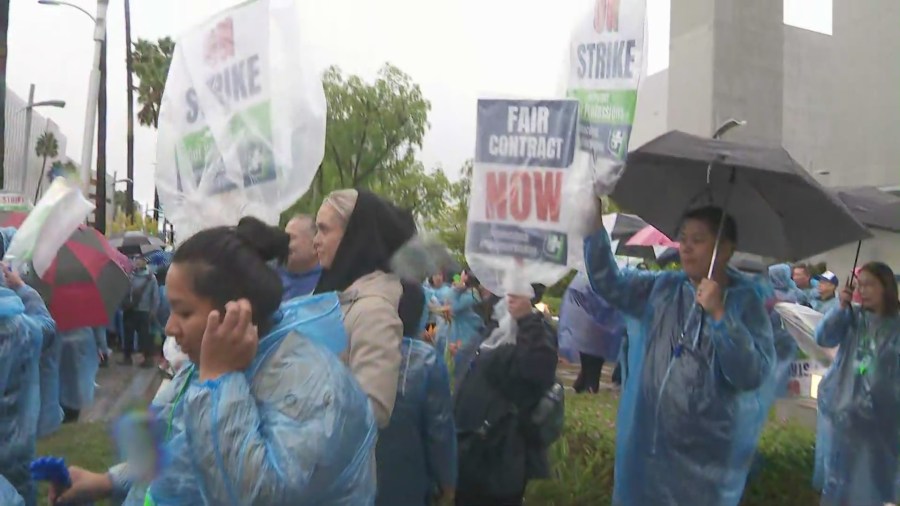
UPDATE: The five-day strike involving over 31,000 Kaiser Permanente healthcare workers has officially ended, marking a significant turn in negotiations. The United Nurses Associations of California/Union of Health Care Professionals (UNAC/UHCP) reports “new momentum” in discussions as employees return to work following the protest that began on October 14, 2025.
The strike impacted more than 500 facilities across the West Coast, with workers demanding improvements related to “unsafe staffing, stagnant wages, and deteriorating patient care conditions.” This urgent walkout involved approximately 46,000 union members, primarily concentrated in California, with others in Hawaii and Oregon.
In a statement, UNAC/UHCP emphasized that the strike aimed to send a clear message: “Caregivers are united, determined, and backed by a growing movement for safe staffing and fair contracts.” The union highlighted new standards from the Joint Commission on medical facility staffing, which they believe will significantly influence future contract negotiations.
Charmaine S. Morales, president of UNAC/UHCP, stated, “Unsafe staffing is unsafe care. Employers like Kaiser can no longer treat staffing like a budget line. It’s now a national patient safety mandate, and UNAC/UHCP will make sure it’s enforced.”
Kaiser Permanente officials responded to the strike, labeling it as “unnecessary and disruptive” while insisting they had made a “strong, comprehensive offer” to the union. Following the end of the strike, the healthcare giant expressed gratitude towards thousands of workers who filled in during the protest.
Negotiations will resume on October 22-23, where the focus will shift to economic issues, including wages. Kaiser’s latest proposal includes a 21.5% total base wage increase over the next four years, alongside enhanced medical plans and retiree benefits.
The union is committed to advocating for patient safety and fair contracts. “This strike may be over, but the fight for patient safety is not,” they stated.
As patients and families await improvements in care conditions, both sides are poised for a critical round of negotiations that could reshape healthcare delivery in the region. Watch for further updates as this story develops.

Philadelphia Parks Launch Free Earth Month Events Starting April 1

Bradford’s Fish Fry Fridays Serve Community with Delicious Dinners

Trump Faces Growing Challenges Amid Rising Tensions with Iran

Scientists Probe the Universe’s Missing Topological Defects

Samsung Galaxy Watch 9 to Feature Larger 435mAh Battery

UConn Huskies Aim to Defend Title in 2026 NCAA Women’s Tournament

U.S. Littoral Combat Ships Dock in Malaysia Amid Regional Tensions

Healthy Choice Wellness Reports Quarterly Earnings, Shares Rise

Urgent News: Charles M. Payment Passes Away at 78 in Duluth

University of Hawaiʻi Joins $25.6M AI Project to Enhance Disaster Monitoring

Major Grant Enhances Cancer Care and Research in Hawaiʻi

Joleen Chaney, Beloved Journalist, Passes Leaving Lasting Legacy

San Francisco’s SFO to Welcome 16 Airlines with Nonstop Flights to Europe in 2026

Goldman Sachs Unveils 2026 Catalyst Playbook for Biotech Investors

Discover Top Business Smartphones for Professionals in 2026

Urgent Update: Tom Aspinall’s Vision Deteriorates After UFC 321

Texas Roadhouse Honors Veterans with Free Meal Vouchers

CD Projekt Red Confirms No Release for The Witcher 4 in 2026
-
Science9 months ago
University of Hawaiʻi Joins $25.6M AI Project to Enhance Disaster Monitoring
-
 Health8 months ago
Major Grant Enhances Cancer Care and Research in Hawaiʻi
-
 Top Stories9 months ago
Joleen Chaney, Beloved Journalist, Passes Leaving Lasting Legacy
-
 World7 months ago
San Francisco’s SFO to Welcome 16 Airlines with Nonstop Flights to Europe in 2026
-
 Business8 months ago
Goldman Sachs Unveils 2026 Catalyst Playbook for Biotech Investors
-
 Business8 months ago
Discover Top Business Smartphones for Professionals in 2026
-
 Top Stories9 months ago
Urgent Update: Tom Aspinall’s Vision Deteriorates After UFC 321
-
 Lifestyle9 months ago
Texas Roadhouse Honors Veterans with Free Meal Vouchers
-
 Entertainment8 months ago
CD Projekt Red Confirms No Release for The Witcher 4 in 2026
-

 Top Stories10 months ago
AI Disruption: AWS Faces Threat as Startups Shift Cloud Focus
-

 Health10 months ago
MIT Scientists Uncover Surprising Genomic Loops During Cell Division
-

 Entertainment10 months ago
Discover the Full Map of Pokémon Legends: Z-A’s Lumiose City