
Top Stories
Urgent Alert: 10 Foods Linked to Illnesses This Halloween

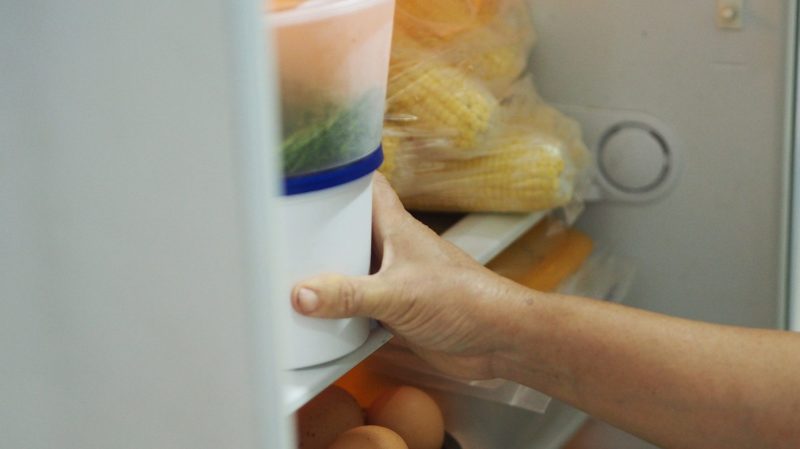
UPDATE: A new analysis from Consumer Reports has identified the 10 foods most frequently linked to foodborne illnesses, just in time for Halloween festivities. The findings, released today, warn consumers to be cautious, as these items can pose serious health risks if mishandled.
Among the top offenders are deli meats, leafy greens, soft cheeses, raw milk, and eggs. Food safety expert Dr. Rosalee S. Hellberg emphasizes the heightened risks associated with these products, particularly in the current food landscape of 2024. Notably, the analysis reveals that cucumbers, onions, organic carrots, and various leafy greens are among the leading culprits for foodborne illnesses.
26 illnesses, including 23 hospitalizations and 2 deaths, have been attributed to soft cheeses like cotija and queso fresco this year alone. Dr. Hellberg explains that soft cheeses retain more moisture, making them a breeding ground for Listeria monocytogenes. “Soft cheeses are riskier than hard cheeses because they are often made from unpasteurized milk and aged for shorter periods,” she states.
As Halloween approaches, the potential for foodborne illnesses increases, especially from homemade treats that may lack proper sanitation. Dr. Hellberg warns that treats made with dairy or eggs, such as custards or cream-filled pastries, should be refrigerated promptly to avoid spoilage. Consumers should also steer clear of raw dough or batter to minimize risks of salmonella or E. coli.
Food safety remains a critical concern, with leafy greens and raw produce topping the list of risky foods. Dr. Hellberg attributes this to their high moisture content and the extensive handling they undergo before reaching consumers. “These foods are commonly eaten raw or undercooked, increasing the chances of contamination,” she notes.
To mitigate risks, both producers and consumers must take proactive steps:
– Producers should adhere to safe irrigation, composting, and sanitation practices.
– Facilities must comply with Good Manufacturing Practices (GMPs), which include standards for equipment sanitation and employee hygiene.
Consumers can follow these crucial guidelines to reduce their risk of foodborne illness:
– Thoroughly wash produce.
– Cook meats, eggs, and seafood to safe internal temperatures.
– Avoid raw dairy and undercooked meats.
– Check expiration dates and storage instructions carefully.
– Use separate cutting boards for raw and cooked items to prevent cross-contamination.
With these alarming findings, consumers are urged to remain vigilant as they prepare for Halloween celebrations. The stakes are high, and food safety can’t be overlooked. Stay informed and take precautions to ensure a safe holiday season.
For further updates on food safety and health alerts, keep following Consumer Reports and local health authorities.

Dallas Pension Board Rejects City’s Final Offer Amid Crisis

Urgent Winter Weather Advisory: 3 Inches of Snow Expected Today

ECB’s de Guindos Confirms Interest Rates Will Remain Steady

Zacks Research Lowers Earnings Forecast for Avanos Medical

“All’s Fair Season 1 Episode 7 Arrives December 2 on Hulu”

Rolette Record Transitions Ownership to Cando Editors in 1929 Sale

Bregman Seeks Debate Stage with Haaland in Gubernatorial Race

University of Arizona Research Reveals Key to Preventing Fibrosis

Rolette Record Sold to Cando Owners, New Era Begins

Urgent Update: Tom Aspinall’s Vision Deteriorates After UFC 321

MIT Scientists Uncover Surprising Genomic Loops During Cell Division

University of Hawaiʻi Joins $25.6M AI Project to Enhance Disaster Monitoring

AI Disruption: AWS Faces Threat as Startups Shift Cloud Focus

Time Crystals Revolutionize Quantum Computing Potential

Honeywell Forecasts Record Business Jet Deliveries Over Next Decade

Discover the Full Map of Pokémon Legends: Z-A’s Lumiose City

GOP Faces Backlash as Protests Surge Against Trump Policies

Parenthood Set to Depart Hulu: What Fans Need to Know
-
 Top Stories1 month ago
Urgent Update: Tom Aspinall’s Vision Deteriorates After UFC 321
-
 Health1 month ago
MIT Scientists Uncover Surprising Genomic Loops During Cell Division
-
Science4 weeks ago
University of Hawaiʻi Joins $25.6M AI Project to Enhance Disaster Monitoring
-
 Top Stories1 month ago
AI Disruption: AWS Faces Threat as Startups Shift Cloud Focus
-
 Science2 months ago
Time Crystals Revolutionize Quantum Computing Potential
-
 World2 months ago
Honeywell Forecasts Record Business Jet Deliveries Over Next Decade
-
 Entertainment1 month ago
Discover the Full Map of Pokémon Legends: Z-A’s Lumiose City
-
 Top Stories2 months ago
GOP Faces Backlash as Protests Surge Against Trump Policies
-
 Entertainment2 months ago
Parenthood Set to Depart Hulu: What Fans Need to Know
-

 Politics2 months ago
Judge Signals Dismissal of Chelsea Housing Case Citing AI Flaws
-

 Sports2 months ago
Yoshinobu Yamamoto Shines in Game 2, Leading Dodgers to Victory
-

 Health2 months ago
Maine Insurers Cut Medicare Advantage Plans Amid Cost Pressures