
Top Stories
Software Transparency Debate: Why ‘Open’ Isn’t Always Free

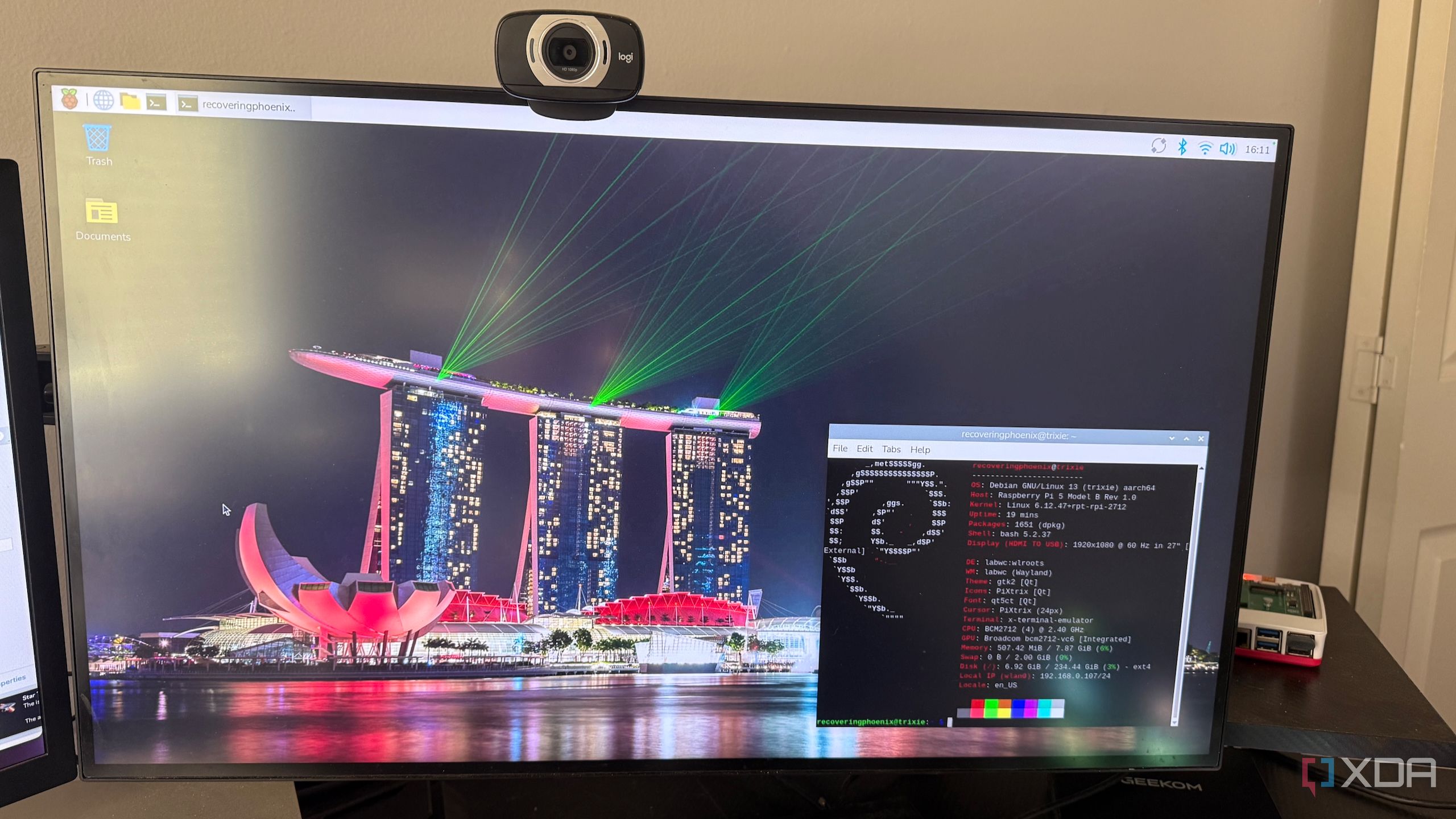
URGENT UPDATE: The ongoing debate over software transparency heats up as industry leaders challenge the definition of “open-source” amidst rising confusion. New revelations about major projects like Meta’s Llama and Elastic’s Elasticsearch spark concerns about user rights and innovation.
Just announced: Meta’s Llama large language model has been labeled as “open” despite restrictions on commercial use, raising eyebrows among developers. This situation underscores a crucial distinction: transparency does not equate to freedom in software development. The implications for users, developers, and the open-source community are profound and immediate.
Why it matters NOW: As more companies blur the lines between “open-source” and “source-available” software, users are left grappling with limited rights. The public often assumes that visibility of source code guarantees freedom to modify and redistribute. However, this is not the case for many so-called “open” projects.
Details: Open-source software, governed by licenses like the GNU General Public License (GPL) and MIT License, grants users the right to use, modify, and share software freely. In contrast, source-available software may allow viewing the code but imposes strict limitations, which can stifle innovation and community contributions. This distinction is crucial for users who want genuine collaboration and control over their software.
Recent cases highlight this pressing issue. For instance, Elastic transitioned its Elasticsearch project from an open-source license to a source-available model, limiting redistribution to protect its business interests. Similarly, Redis has implemented restrictions that prevent commercial use, illustrating how corporate priorities can quickly shift the nature of open projects.
Next steps: Experts urge users to scrutinize software licenses closely. Projects with OSI-approved licenses, such as GPLv3 and Apache 2.0, maintain the freedoms that characterize true open-source software. In contrast, any software that adds caveats—like prohibiting commercial use—does not meet open-source criteria, even if it is advertised as such.
This ongoing confusion threatens the integrity of the open-source movement, which relies on shared ownership and accountability. As users expect openness, they often encounter barriers when trying to engage with these projects. Each mislabeling of restricted software as “open-source” further erodes trust in genuine community-driven initiatives.
The consequences are significant. If users continue to support software marketed as open but restricted in practice, it could lead to fewer contributors, less innovation, and proprietary fragmentation. The resilience of iconic open-source projects like Linux, VLC, and Blender demonstrates the value of true open-source licensing.
In conclusion, understanding the differences between open-source and source-available software is crucial for safeguarding user rights and promoting a collaborative software ecosystem. Users are encouraged to support projects that adhere to true open-source principles, ensuring a future where freedom and innovation thrive.
Stay tuned: As this conversation evolves, the software community will continue to navigate the complexities of transparency and freedom in software development. Make sure to engage with genuine open-source projects and maintain awareness of licensing implications.

Dallas Pension Board Rejects City’s Final Offer Amid Crisis

Urgent Winter Weather Advisory: 3 Inches of Snow Expected Today

ECB’s de Guindos Confirms Interest Rates Will Remain Steady

Zacks Research Lowers Earnings Forecast for Avanos Medical

“All’s Fair Season 1 Episode 7 Arrives December 2 on Hulu”

Rolette Record Transitions Ownership to Cando Editors in 1929 Sale

Bregman Seeks Debate Stage with Haaland in Gubernatorial Race

University of Arizona Research Reveals Key to Preventing Fibrosis

Rolette Record Sold to Cando Owners, New Era Begins

Urgent Update: Tom Aspinall’s Vision Deteriorates After UFC 321

MIT Scientists Uncover Surprising Genomic Loops During Cell Division

University of Hawaiʻi Joins $25.6M AI Project to Enhance Disaster Monitoring

AI Disruption: AWS Faces Threat as Startups Shift Cloud Focus

Time Crystals Revolutionize Quantum Computing Potential

Honeywell Forecasts Record Business Jet Deliveries Over Next Decade

Discover the Full Map of Pokémon Legends: Z-A’s Lumiose City

GOP Faces Backlash as Protests Surge Against Trump Policies

Parenthood Set to Depart Hulu: What Fans Need to Know
-
 Top Stories1 month ago
Urgent Update: Tom Aspinall’s Vision Deteriorates After UFC 321
-
 Health1 month ago
MIT Scientists Uncover Surprising Genomic Loops During Cell Division
-
Science4 weeks ago
University of Hawaiʻi Joins $25.6M AI Project to Enhance Disaster Monitoring
-
 Top Stories1 month ago
AI Disruption: AWS Faces Threat as Startups Shift Cloud Focus
-
 Science2 months ago
Time Crystals Revolutionize Quantum Computing Potential
-
 World2 months ago
Honeywell Forecasts Record Business Jet Deliveries Over Next Decade
-
 Entertainment1 month ago
Discover the Full Map of Pokémon Legends: Z-A’s Lumiose City
-
 Top Stories2 months ago
GOP Faces Backlash as Protests Surge Against Trump Policies
-
 Entertainment2 months ago
Parenthood Set to Depart Hulu: What Fans Need to Know
-

 Politics2 months ago
Judge Signals Dismissal of Chelsea Housing Case Citing AI Flaws
-

 Sports2 months ago
Yoshinobu Yamamoto Shines in Game 2, Leading Dodgers to Victory
-

 Health2 months ago
Maine Insurers Cut Medicare Advantage Plans Amid Cost Pressures