
World
Underground Tunnels of Nazi Germany Become Dark Tourism Museum

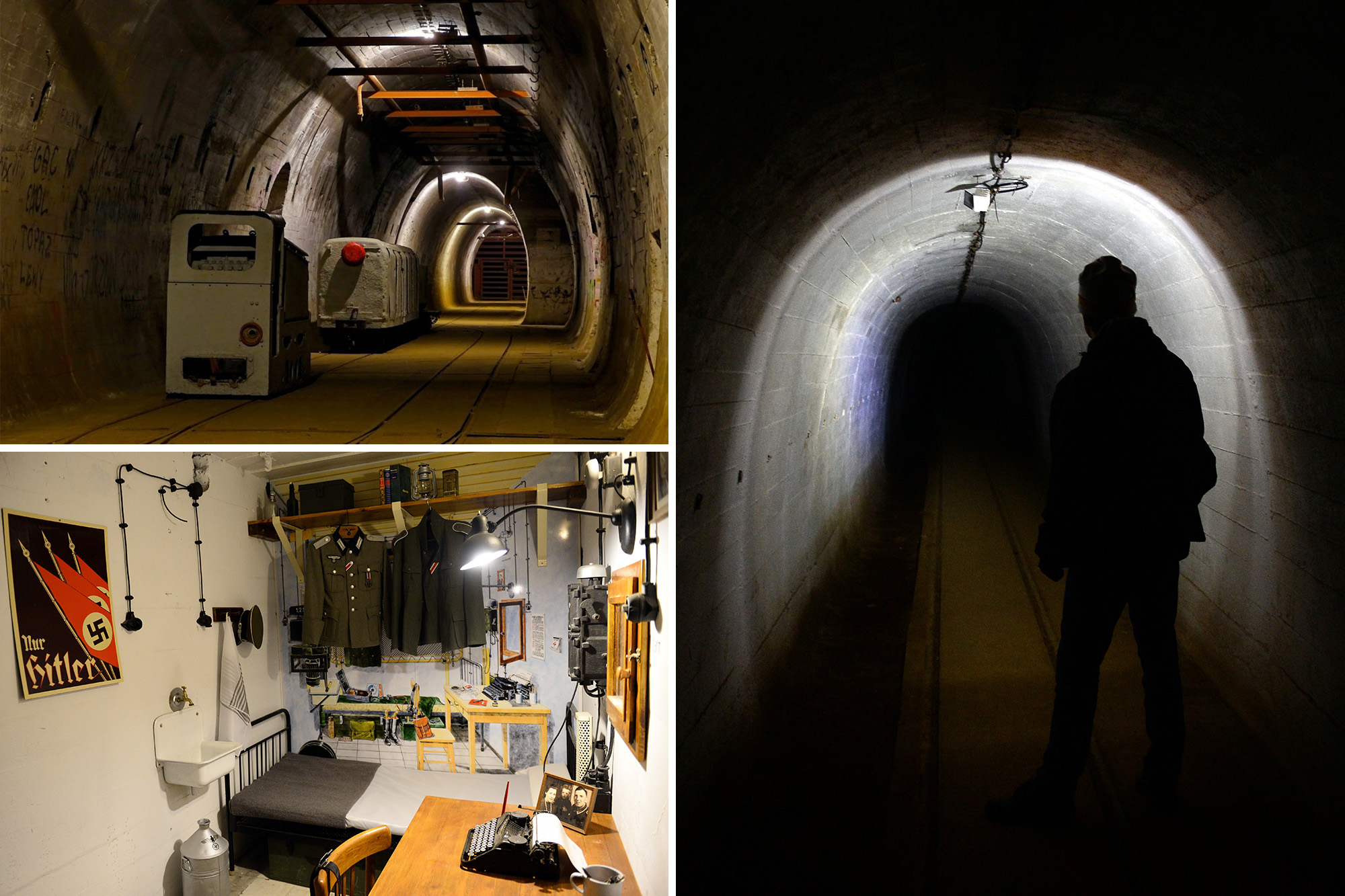
A network of nearly 20 miles of underground tunnels from Nazi Germany has been transformed into a museum, allowing visitors to explore this historical relic. Located in the tranquil countryside near the small Polish village of Pniewo, the subterranean complex, known as the Festungsfront Oder-Warthe-Bogen or the Ostwall, was abandoned in 1945 and is now part of the Międzyrzecz Fortified Region Museum.
The museum opened its doors in 2011, showcasing a chilling glimpse into the past with its eerie tunnels. According to Mikolaj Wiktorowski, a guide at the museum, the Nazis designed this extensive underground city to accommodate soldiers for extended periods. “Everything is constructed to make it more habitable,” he explained to CNN Travel.
Visitors can wander through the tunnels, which have been recreated to illustrate daily life for members of the Third Reich. The museum features mannequins in military uniforms positioned in administrative rooms, sleeping quarters, and restrooms, offering a haunting yet educational experience.
Historical Context and Construction Plans
Construction of the Ostwall began before the outbreak of World War II as Adolf Hitler aimed to reinforce Germany’s eastern border against potential threats from Poland and the Soviet Union. Initially, the project was intended to span 50 miles, with construction slated to continue until 1951. However, in 1938, Germany shifted its focus towards France, leading to a halt in the Ostwall’s development.
The subsequent invasion of Poland in 1939 marked the beginning of World War II and ultimately led to the abandonment of the Ostwall project. Although it was never completed, the tunnels are regarded as among the most advanced fortifications of their time, with the central section capable of housing tens of thousands of soldiers.
A Legacy of Counter-Culture
In the 1980s and 1990s, the tunnels took on a new life as a venue for raves and weddings, hosted by a counter-cultural group known as the Bunker People. Their presence is still felt today, as graffiti created during that era adorns the walls of the tunnels. “The graffiti are the soul of this place,” Wiktorowski remarked. “Without them, we would just have bare, lifeless walls.”
The transformation of these tunnels into a museum not only preserves a significant piece of history but also sheds light on the varied narratives that have unfolded within its walls. As dark tourism continues to grow in popularity, the Ostwall offers a multifaceted exploration of a complex and often painful past, inviting reflection and discussion among those who traverse its depths.

Woman Arrested for Threatening U-Haul Worker with Baton

Japan’s PM Takaichi Vows Urgent Fiscal Management Amid Rate Trends

Bitcoin Plummets Below $88K Amid Tether Concerns and Warnings

Tottenville Falls Short in PSAL 4A Title Game Against Erasmus

Shark Teeth Study Reveals Urgent Clues to Prevent Extinction

Church Members Rally Together After Thanksgiving Fire Devastation

U.S. Investment in Canadian Energy Firms Surges Despite Low Oil Prices

Nick Jonas Unveils New Solo Album ‘Sunday Best’ Set for February Release

Researchers Urge Label Changes for Low-Alcohol Drinks to Aid Pregnant Women

Urgent Update: Tom Aspinall’s Vision Deteriorates After UFC 321

MIT Scientists Uncover Surprising Genomic Loops During Cell Division

University of Hawaiʻi Joins $25.6M AI Project to Enhance Disaster Monitoring

AI Disruption: AWS Faces Threat as Startups Shift Cloud Focus

Time Crystals Revolutionize Quantum Computing Potential

Honeywell Forecasts Record Business Jet Deliveries Over Next Decade

Discover the Full Map of Pokémon Legends: Z-A’s Lumiose City

GOP Faces Backlash as Protests Surge Against Trump Policies

Parenthood Set to Depart Hulu: What Fans Need to Know
-
 Top Stories1 month ago
Urgent Update: Tom Aspinall’s Vision Deteriorates After UFC 321
-
 Health1 month ago
MIT Scientists Uncover Surprising Genomic Loops During Cell Division
-
Science4 weeks ago
University of Hawaiʻi Joins $25.6M AI Project to Enhance Disaster Monitoring
-
 Top Stories1 month ago
AI Disruption: AWS Faces Threat as Startups Shift Cloud Focus
-
 Science2 months ago
Time Crystals Revolutionize Quantum Computing Potential
-
 World2 months ago
Honeywell Forecasts Record Business Jet Deliveries Over Next Decade
-
 Entertainment1 month ago
Discover the Full Map of Pokémon Legends: Z-A’s Lumiose City
-
 Top Stories2 months ago
GOP Faces Backlash as Protests Surge Against Trump Policies
-
 Entertainment2 months ago
Parenthood Set to Depart Hulu: What Fans Need to Know
-

 Politics2 months ago
Judge Signals Dismissal of Chelsea Housing Case Citing AI Flaws
-

 Sports2 months ago
Yoshinobu Yamamoto Shines in Game 2, Leading Dodgers to Victory
-

 Health2 months ago
Maine Insurers Cut Medicare Advantage Plans Amid Cost Pressures