
Business
New $100,000 H-1B Visa Fee Threatens Rural Hospitals’ Staffing

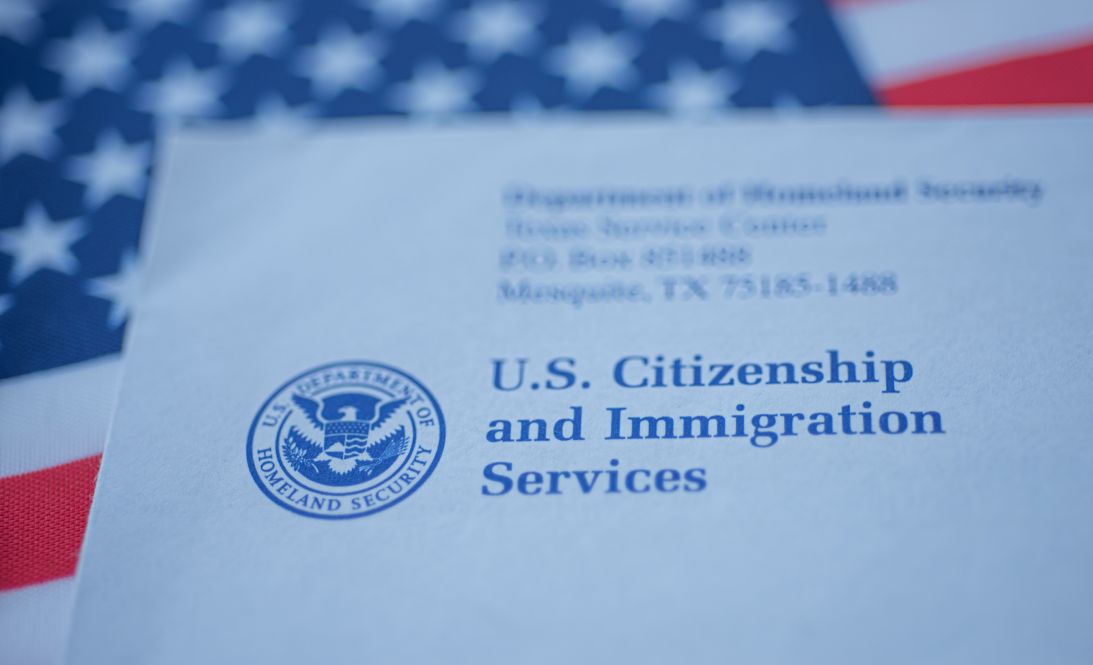
The recent announcement by the Trump administration imposing a new fee of $100,000 on all new H-1B visa applications has raised significant concerns within the healthcare sector. This fee aims to incentivize companies, particularly those in the technology field, to prioritize hiring American workers. However, rural and underserved hospitals fear this financial burden will severely limit their ability to recruit foreign medical professionals, exacerbating existing shortages of specialists in critical areas.
Carolynn Lundry, a residency program coordinator at St. Luke’s Hospital in Chesterfield, Missouri, emphasized that the new fee is unfeasible for institutions like hers. “There’s no way we’re going to pay $100,000,” she stated. St. Luke’s relies heavily on international graduates to fill its internal medicine residency slots, selecting 16 residents annually. Lundry underscored that limiting access to the H-1B visa program would significantly reduce their pool of candidates.
The need for foreign medical professionals is pressing. According to a 2021 study by the National Institutes of Health, over 64% of international medical graduates work in medically underserved areas, while more than 45% practice in rural settings. The Health Resources and Services Administration (HRSA) reported a necessity for an additional 13,075 physicians to address current shortages, predicting a shortfall of 87,150 full-time equivalent primary care physicians by 2037.
The White House has defended the new fee as a measure to uphold American jobs. White House spokesperson Taylor Rogers stated, “President Trump promised to put American workers first, and this commonsense action does just that.” The administration argues that the fee will reduce abuses of the H-1B visa system, which they believe drive down wages for American workers.
Opposition to the fee has grown among various groups, including the U.S. Chamber of Commerce, which has initiated legal action against the administration. Neil Bradley, executive vice president and chief policy officer, noted that the steep increase would hinder U.S. employers, particularly small and medium-sized businesses, from utilizing the H-1B program designed to attract global talent.
The American Medical Association and over 50 healthcare organizations have jointly urged the administration to exempt international medical graduates from the new fee. In a letter addressed to Kristi Noem, the secretary of the Department of Homeland Security, they stated, “States with a higher percentage of H-1B physicians are often those with lower physician density.” They highlighted the indispensable role of foreign-trained doctors in providing accessible healthcare.
Current guidelines from U.S. Citizenship and Immigration Services clarify that the $100,000 fee applies solely to new H-1B applicants living abroad. Existing H-1B holders and those transitioning from other visa statuses are exempt from this fee. For smaller hospitals like St. Luke’s, the combination of physician shortages and increased costs poses a critical threat to their staffing capabilities.
Dr. Chuck Thigpen, chief clinical and strategy officer at ATI Physical Therapy, expressed concerns regarding his ability to maintain job offers to international students graduating from U.S. universities. With 450 open clinical roles nationwide and a workforce heavily reliant on H-1B and H-4 visa holders, Thigpen noted that the fee could force clinics to close if they cannot afford to hire necessary staff.
The implications of the new H-1B fee extend beyond hospitals and clinics. The future of many international medical graduates seeking to practice in the U.S. has come into question. Mykola, a former doctor from Ukraine who fled the war in 2024, is now navigating the complexities of the U.S. immigration system. As a participant in the Uniting for Ukraine (U4U) program, he is preparing for exams to qualify as a doctor in the United States. However, he faces challenges due to his parolee status, which does not allow for a change of status without a new H-1B petition.
Mykola has invested thousands of dollars in preparation, focusing on programs in underserved areas. “I’m willing to help those underserved areas,” he said, reflecting on his commitment to enhancing healthcare accessibility. Yet, the new fee leaves him uncertain about the viability of securing sponsorship for an H-1B visa.
As the healthcare industry grapples with the ramifications of the new fee, concerns grow about the long-term impact on patient care in underserved communities. The struggle to attract and retain qualified medical professionals remains a critical issue, one that the new H-1B visa fee threatens to complicate further.

Philadelphia Parks Launch Free Earth Month Events Starting April 1

Bradford’s Fish Fry Fridays Serve Community with Delicious Dinners

Trump Faces Growing Challenges Amid Rising Tensions with Iran

Scientists Probe the Universe’s Missing Topological Defects

Samsung Galaxy Watch 9 to Feature Larger 435mAh Battery

UConn Huskies Aim to Defend Title in 2026 NCAA Women’s Tournament

U.S. Littoral Combat Ships Dock in Malaysia Amid Regional Tensions

Healthy Choice Wellness Reports Quarterly Earnings, Shares Rise

Urgent News: Charles M. Payment Passes Away at 78 in Duluth

University of Hawaiʻi Joins $25.6M AI Project to Enhance Disaster Monitoring

Major Grant Enhances Cancer Care and Research in Hawaiʻi

Joleen Chaney, Beloved Journalist, Passes Leaving Lasting Legacy

San Francisco’s SFO to Welcome 16 Airlines with Nonstop Flights to Europe in 2026

Goldman Sachs Unveils 2026 Catalyst Playbook for Biotech Investors

Discover Top Business Smartphones for Professionals in 2026

Urgent Update: Tom Aspinall’s Vision Deteriorates After UFC 321

Texas Roadhouse Honors Veterans with Free Meal Vouchers

CD Projekt Red Confirms No Release for The Witcher 4 in 2026
-
Science9 months ago
University of Hawaiʻi Joins $25.6M AI Project to Enhance Disaster Monitoring
-
 Health8 months ago
Major Grant Enhances Cancer Care and Research in Hawaiʻi
-
 Top Stories9 months ago
Joleen Chaney, Beloved Journalist, Passes Leaving Lasting Legacy
-
 World7 months ago
San Francisco’s SFO to Welcome 16 Airlines with Nonstop Flights to Europe in 2026
-
 Business8 months ago
Goldman Sachs Unveils 2026 Catalyst Playbook for Biotech Investors
-
 Business8 months ago
Discover Top Business Smartphones for Professionals in 2026
-
 Top Stories9 months ago
Urgent Update: Tom Aspinall’s Vision Deteriorates After UFC 321
-
 Lifestyle9 months ago
Texas Roadhouse Honors Veterans with Free Meal Vouchers
-
 Entertainment8 months ago
CD Projekt Red Confirms No Release for The Witcher 4 in 2026
-

 Top Stories10 months ago
AI Disruption: AWS Faces Threat as Startups Shift Cloud Focus
-

 Health10 months ago
MIT Scientists Uncover Surprising Genomic Loops During Cell Division
-

 Entertainment10 months ago
Discover the Full Map of Pokémon Legends: Z-A’s Lumiose City