
Science
Human Life Expectancy Nears Peak, Experts Weigh In

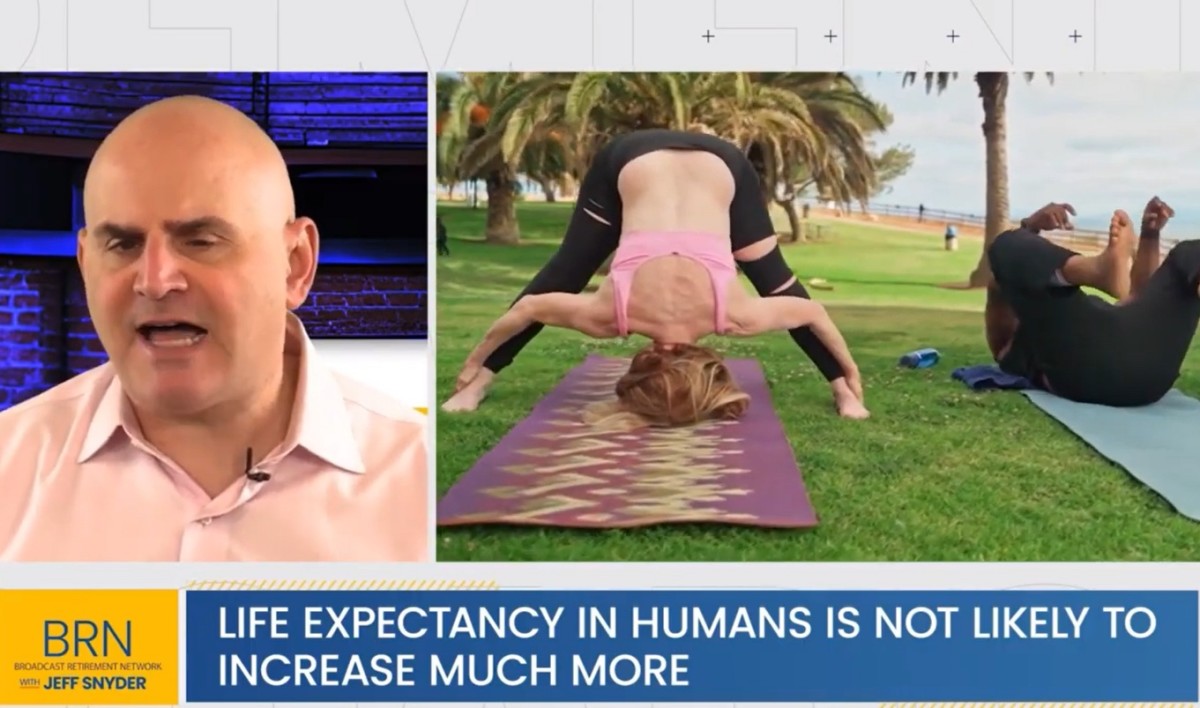
Recent research indicates that human life expectancy may have reached its peak, suggesting limited potential for further increases. In a discussion on the Broadcast Retirement Network, Dr. S. Jay Olshansky, a professor of epidemiology and biostatistics at the University of Illinois, Chicago, elaborated on the complexities surrounding this issue.
Dr. Olshansky highlighted two primary “toolboxes” humanity has developed to enhance longevity. The first emerged in the early 20th century, focusing on combating childhood and infectious diseases. This effort significantly reduced early mortality rates, enabling more individuals to live past the age of 60. The second toolbox, developed later, targeted middle-aged and elderly mortality through advances in medical technology and public health initiatives.
Despite these successes, Dr. Olshansky emphasized that the impact of current medical interventions is likely to diminish. As populations age, the underlying biological processes of aging become more apparent. He noted, “When you push more people up against this limit of immutability of the biological process of aging, then the rise in life expectancy must slow down.”
This perspective underscores a significant shift in focus. While past advancements in medicine have dramatically extended life expectancy, the potential for further significant increases appears limited. Dr. Olshansky pointed out that the major gains in longevity during the 20th century largely resulted from saving the young. Today, the goal shifts towards maintaining health in older age rather than merely extending lifespan.
In response to a question about the potential for evolutionary adaptations in humans, Dr. Olshansky clarified that while evolution is ongoing, the anatomical structure of modern humans has remained largely unchanged for over 200,000 years. The diseases we face today are similar to those encountered by our ancestors. He stated, “The genome that you and I inherited… hasn’t changed.” Therefore, any evolutionary changes that might contribute to longevity are not expected to occur within our lifetimes.
The discussion turned to the concept of geroscience, which aims to address the biological process of aging itself. While early research shows promise for interventions that could modulate aging, predicting the extent of any life extension remains uncertain. Dr. Olshansky emphasized the importance of focusing on quality of life rather than solely on longevity. Healthspan— the period during which individuals remain healthy—should be prioritized, as improvements in health can be measured and experienced in shorter time frames.
Policymakers face challenges as the global population ages. Dr. Olshansky noted that the number of elderly individuals is projected to rise significantly throughout this century. He identified the year 2046 as a pivotal moment when the number of centenarians is expected to increase substantially, coinciding with the 100-year anniversary of the baby boom generation.
He cautioned against conflating a rise in the elderly population with increases in life expectancy, stating that it is possible for life expectancy to decline even as the number of older individuals grows. This scenario is already evident in some parts of the United States, where life expectancy has been decreasing.
To address the implications of an aging population, Dr. Olshansky urged a reevaluation of societal preparedness. Many individuals lack the financial resources necessary for extended periods of older age. He warned against planning for a lifespan of 100 years, as most people are unlikely to reach that age, which could lead to misguided life choices.
While acknowledging the important role of lifestyle choices in improving health, such as diet and exercise, Dr. Olshansky reiterated that these changes have limited impact on life expectancy. Modern medicine has effectively managed many of the risks associated with aging, so the potential for significant increases in life expectancy due to lifestyle modifications is not as large as many might assume.
As the discussion concluded, Dr. Olshansky encouraged individuals to adopt healthier lifestyles, emphasizing that while we cannot guarantee significant increases in lifespan, we can enhance our quality of life through informed choices. The importance of living fully in the present, while being mindful of health, remains paramount.

Knicks Dominate Raptors 116-94, Extend Home Winning Streak

Hallmark’s ‘Christmas at the Catnip Café’ Premieres Tonight

Woman Arrested for Threatening U-Haul Worker with Baton

Japan’s PM Takaichi Vows Urgent Fiscal Management Amid Rate Trends

Bitcoin Plummets Below $88K Amid Tether Concerns and Warnings

Tottenville Falls Short in PSAL 4A Title Game Against Erasmus

Shark Teeth Study Reveals Urgent Clues to Prevent Extinction

Church Members Rally Together After Thanksgiving Fire Devastation

U.S. Investment in Canadian Energy Firms Surges Despite Low Oil Prices

Urgent Update: Tom Aspinall’s Vision Deteriorates After UFC 321

MIT Scientists Uncover Surprising Genomic Loops During Cell Division

University of Hawaiʻi Joins $25.6M AI Project to Enhance Disaster Monitoring

AI Disruption: AWS Faces Threat as Startups Shift Cloud Focus

Time Crystals Revolutionize Quantum Computing Potential

Honeywell Forecasts Record Business Jet Deliveries Over Next Decade

Discover the Full Map of Pokémon Legends: Z-A’s Lumiose City

GOP Faces Backlash as Protests Surge Against Trump Policies

Parenthood Set to Depart Hulu: What Fans Need to Know
-
 Top Stories1 month ago
Urgent Update: Tom Aspinall’s Vision Deteriorates After UFC 321
-
 Health1 month ago
MIT Scientists Uncover Surprising Genomic Loops During Cell Division
-
Science4 weeks ago
University of Hawaiʻi Joins $25.6M AI Project to Enhance Disaster Monitoring
-
 Top Stories1 month ago
AI Disruption: AWS Faces Threat as Startups Shift Cloud Focus
-
 Science2 months ago
Time Crystals Revolutionize Quantum Computing Potential
-
 World2 months ago
Honeywell Forecasts Record Business Jet Deliveries Over Next Decade
-
 Entertainment1 month ago
Discover the Full Map of Pokémon Legends: Z-A’s Lumiose City
-
 Top Stories2 months ago
GOP Faces Backlash as Protests Surge Against Trump Policies
-
 Entertainment2 months ago
Parenthood Set to Depart Hulu: What Fans Need to Know
-

 Politics2 months ago
Judge Signals Dismissal of Chelsea Housing Case Citing AI Flaws
-

 Sports2 months ago
Yoshinobu Yamamoto Shines in Game 2, Leading Dodgers to Victory
-

 Health2 months ago
Maine Insurers Cut Medicare Advantage Plans Amid Cost Pressures