
Politics
North Dakota Republicans Fail to Force Special Election Amid Tensions

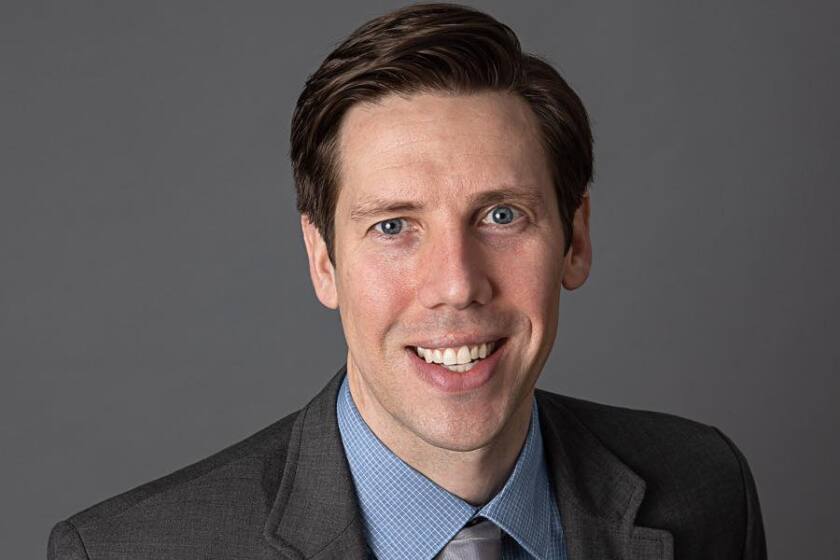
In a significant political development, the populist faction of the North Dakota Republican Party was unsuccessful in their attempt to force a special election for the House vacancy in District 42. This follows the appointment of Dustin McNally, a mainstream Republican, to fill the position left by former Representative Emily O’Brien. The faction needed to gather 656 valid signatures to compel Governor Kelly Armstrong to call a special election, but only 612 were accepted.
According to the office of Secretary of State Michael Howe, out of the 726 signatures submitted, 114 were rejected. Howe explained that 31 signatures were invalidated because the petitioners failed to correctly fill out their affidavits. Additionally, 81 signatures lacked complete addresses or dates as required by law. One signature was dismissed due to an out-of-state address, while another was deemed illegible.
The outcome has prompted expected backlash from the populist faction, which has a history of claiming impropriety when their initiatives do not succeed. Critics within the faction are likely to voice accusations of misconduct, despite the transparent nature of the process. Howe’s office has made the submitted signatures available for public scrutiny, allowing anyone to verify the legitimacy of the petition. Should the faction believe any legal irregularities have occurred, they have the option to pursue legal action.
Despite the failure to trigger a special election, McNally’s appointment does not exempt him from future electoral challenges. He is required to run for the NDGOP nomination during the June 2026 election cycle. The push for a special election has been described by some as misguided, as it serves to highlight the ongoing tensions within the party rather than a genuine democratic process.
The internal conflict has led to some members of the mainstream Republican faction expressing satisfaction with the outcome. Nevertheless, they may not fully grasp the underlying strategy employed by the populist faction. Their goal is not necessarily to win every battle but to create discomfort and instability for their opponents within the party.
McNally, who is also an engineering professor at the University of North Dakota, has faced considerable scrutiny since his appointment. He received a call to resign from former lawmaker and activist Brand Prichard shortly after taking office, illustrating the challenges he faces in his new role. The special election campaign was viewed as a tactic to undermine his credibility and public service efforts, irrespective of its failure to materialize.
The populist faction has made significant strides in influencing local district leadership within the NDGOP, even managing to elect one of their own as the chair of the state party. This success is largely attributed to their ability to disrupt traditional party operations, utilizing procedural strategies to intimidate or exclude opposition members. Conversations with grassroots party activists reveal that local meetings, once straightforward and easy to attend, have transformed into lengthy sessions that many find difficult to participate in.
As McNally’s appointment demonstrates, the populist faction is committed to making political participation arduous for traditional Republicans. In the weeks leading up to the appointment, activists demanded resignations from district leaders and threatened legal action, creating a climate of fear and uncertainty. Although McNally secured his position through a narrow vote, the question remains: how many candidates like him are willing to endure such challenges for the opportunity to serve in public office?
The environment of increased hostility and procedural manipulation may lead to a diminishing pool of prospective candidates willing to engage in public service. The implications of this trend extend beyond individual elections, potentially altering the future landscape of North Dakota politics. As the party navigates these internal divisions, the risks of alienating pragmatic, public-spirited individuals grow, which could ultimately affect the party’s overall effectiveness and public perception.

Philadelphia Parks Launch Free Earth Month Events Starting April 1

Bradford’s Fish Fry Fridays Serve Community with Delicious Dinners

Trump Faces Growing Challenges Amid Rising Tensions with Iran

Scientists Probe the Universe’s Missing Topological Defects

Samsung Galaxy Watch 9 to Feature Larger 435mAh Battery

UConn Huskies Aim to Defend Title in 2026 NCAA Women’s Tournament

U.S. Littoral Combat Ships Dock in Malaysia Amid Regional Tensions

Healthy Choice Wellness Reports Quarterly Earnings, Shares Rise

Urgent News: Charles M. Payment Passes Away at 78 in Duluth

University of Hawaiʻi Joins $25.6M AI Project to Enhance Disaster Monitoring

Major Grant Enhances Cancer Care and Research in Hawaiʻi

Joleen Chaney, Beloved Journalist, Passes Leaving Lasting Legacy

San Francisco’s SFO to Welcome 16 Airlines with Nonstop Flights to Europe in 2026

Goldman Sachs Unveils 2026 Catalyst Playbook for Biotech Investors

Discover Top Business Smartphones for Professionals in 2026

Urgent Update: Tom Aspinall’s Vision Deteriorates After UFC 321

Texas Roadhouse Honors Veterans with Free Meal Vouchers

CD Projekt Red Confirms No Release for The Witcher 4 in 2026
-
Science9 months ago
University of Hawaiʻi Joins $25.6M AI Project to Enhance Disaster Monitoring
-
 Health8 months ago
Major Grant Enhances Cancer Care and Research in Hawaiʻi
-
 Top Stories9 months ago
Joleen Chaney, Beloved Journalist, Passes Leaving Lasting Legacy
-
 World7 months ago
San Francisco’s SFO to Welcome 16 Airlines with Nonstop Flights to Europe in 2026
-
 Business8 months ago
Goldman Sachs Unveils 2026 Catalyst Playbook for Biotech Investors
-
 Business7 months ago
Discover Top Business Smartphones for Professionals in 2026
-
 Top Stories9 months ago
Urgent Update: Tom Aspinall’s Vision Deteriorates After UFC 321
-
 Lifestyle9 months ago
Texas Roadhouse Honors Veterans with Free Meal Vouchers
-
 Entertainment8 months ago
CD Projekt Red Confirms No Release for The Witcher 4 in 2026
-

 Top Stories10 months ago
AI Disruption: AWS Faces Threat as Startups Shift Cloud Focus
-

 Health10 months ago
MIT Scientists Uncover Surprising Genomic Loops During Cell Division
-

 Entertainment10 months ago
Discover the Full Map of Pokémon Legends: Z-A’s Lumiose City