
Business
Sydney Enforces Electric-Only New Buildings, Banning Gas from 2027

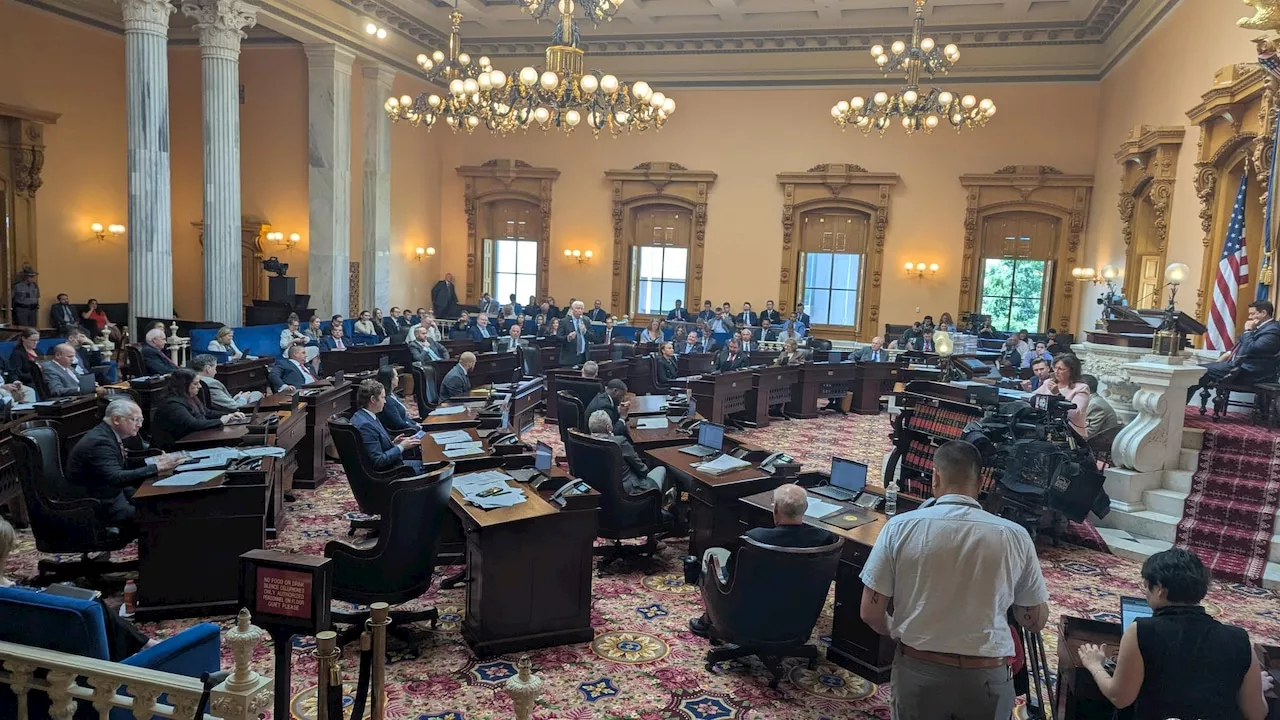
Sydney, Australia, has announced a significant shift in building regulations, mandating that all new households and many commercial structures must be fully electrified starting in 2027. This new policy, championed by Clover Moore, the Lord Mayor of Sydney, aims to enhance public health, reduce costs, and promote environmental sustainability by eliminating gas usage in new constructions.
The mandate, which prohibits gas appliances in new buildings, follows earlier restrictions on indoor gas appliances, such as stoves and heaters. Moore described the decision as a “logical next step” in addressing the challenges posed by fossil fuel dependency. She emphasized that “relying on gas is bad for the planet, bad for our finances and bad for our health.”
While the initiative has garnered support for its potential health and environmental benefits, it has also faced considerable criticism. Opponents, including the industry group Urban Taskforce, argue that the ban could lead to higher costs for consumers, increased risks of blackouts, and delays in the building sector. The Urban Taskforce expressed skepticism about the effectiveness of electrification in reducing carbon emissions, insisting that energy choices should remain a matter of personal preference.
Critics also point out the contradiction in Australia’s energy policy, as the country continues to export significant amounts of gas. While millions of Australians will be barred from using gas in their homes, the mining sector is reportedly profiting from record gas exports. This situation raises questions about the balance between domestic energy policies and international trade practices.
The council’s decision aligns Sydney with other global cities that have implemented similar measures to phase out gas in favor of electric alternatives. For example, New York City enacted comparable regulations in 2023, citing similar health and economic arguments.
Despite the controversy, Moore asserts that the reforms will ultimately benefit residents by lowering their energy bills while enhancing overall public health. However, the Urban Taskforce has raised concerns about the potential ramifications of these regulations on housing affordability, project feasibility, and economic resilience.
“The application of energy requirements or constraints must be measured against the implications for project feasibility, housing supply, market demand, and economic resilience,” the Urban Taskforce stated in response to the new regulations.
As Sydney moves forward with this ambitious plan, the city will join a growing number of jurisdictions worldwide actively seeking to transition to sustainable energy sources. The implications of this policy will unfold over the coming years, as stakeholders in the building sector and the general public adapt to a future without gas in new constructions.

Philadelphia Parks Launch Free Earth Month Events Starting April 1

Bradford’s Fish Fry Fridays Serve Community with Delicious Dinners

Trump Faces Growing Challenges Amid Rising Tensions with Iran

Scientists Probe the Universe’s Missing Topological Defects

Samsung Galaxy Watch 9 to Feature Larger 435mAh Battery

UConn Huskies Aim to Defend Title in 2026 NCAA Women’s Tournament

U.S. Littoral Combat Ships Dock in Malaysia Amid Regional Tensions

Healthy Choice Wellness Reports Quarterly Earnings, Shares Rise

Urgent News: Charles M. Payment Passes Away at 78 in Duluth

University of Hawaiʻi Joins $25.6M AI Project to Enhance Disaster Monitoring

Major Grant Enhances Cancer Care and Research in Hawaiʻi

Joleen Chaney, Beloved Journalist, Passes Leaving Lasting Legacy

San Francisco’s SFO to Welcome 16 Airlines with Nonstop Flights to Europe in 2026

Goldman Sachs Unveils 2026 Catalyst Playbook for Biotech Investors

Discover Top Business Smartphones for Professionals in 2026

Urgent Update: Tom Aspinall’s Vision Deteriorates After UFC 321

Texas Roadhouse Honors Veterans with Free Meal Vouchers

CD Projekt Red Confirms No Release for The Witcher 4 in 2026
-
Science9 months ago
University of Hawaiʻi Joins $25.6M AI Project to Enhance Disaster Monitoring
-
 Health8 months ago
Major Grant Enhances Cancer Care and Research in Hawaiʻi
-
 Top Stories9 months ago
Joleen Chaney, Beloved Journalist, Passes Leaving Lasting Legacy
-
 World7 months ago
San Francisco’s SFO to Welcome 16 Airlines with Nonstop Flights to Europe in 2026
-
 Business8 months ago
Goldman Sachs Unveils 2026 Catalyst Playbook for Biotech Investors
-
 Business7 months ago
Discover Top Business Smartphones for Professionals in 2026
-
 Top Stories9 months ago
Urgent Update: Tom Aspinall’s Vision Deteriorates After UFC 321
-
 Lifestyle9 months ago
Texas Roadhouse Honors Veterans with Free Meal Vouchers
-
 Entertainment8 months ago
CD Projekt Red Confirms No Release for The Witcher 4 in 2026
-

 Top Stories10 months ago
AI Disruption: AWS Faces Threat as Startups Shift Cloud Focus
-

 Health10 months ago
MIT Scientists Uncover Surprising Genomic Loops During Cell Division
-

 Entertainment10 months ago
Discover the Full Map of Pokémon Legends: Z-A’s Lumiose City