
Science
Astronomers Unveil Earth-like Planet After Two Decades of Research

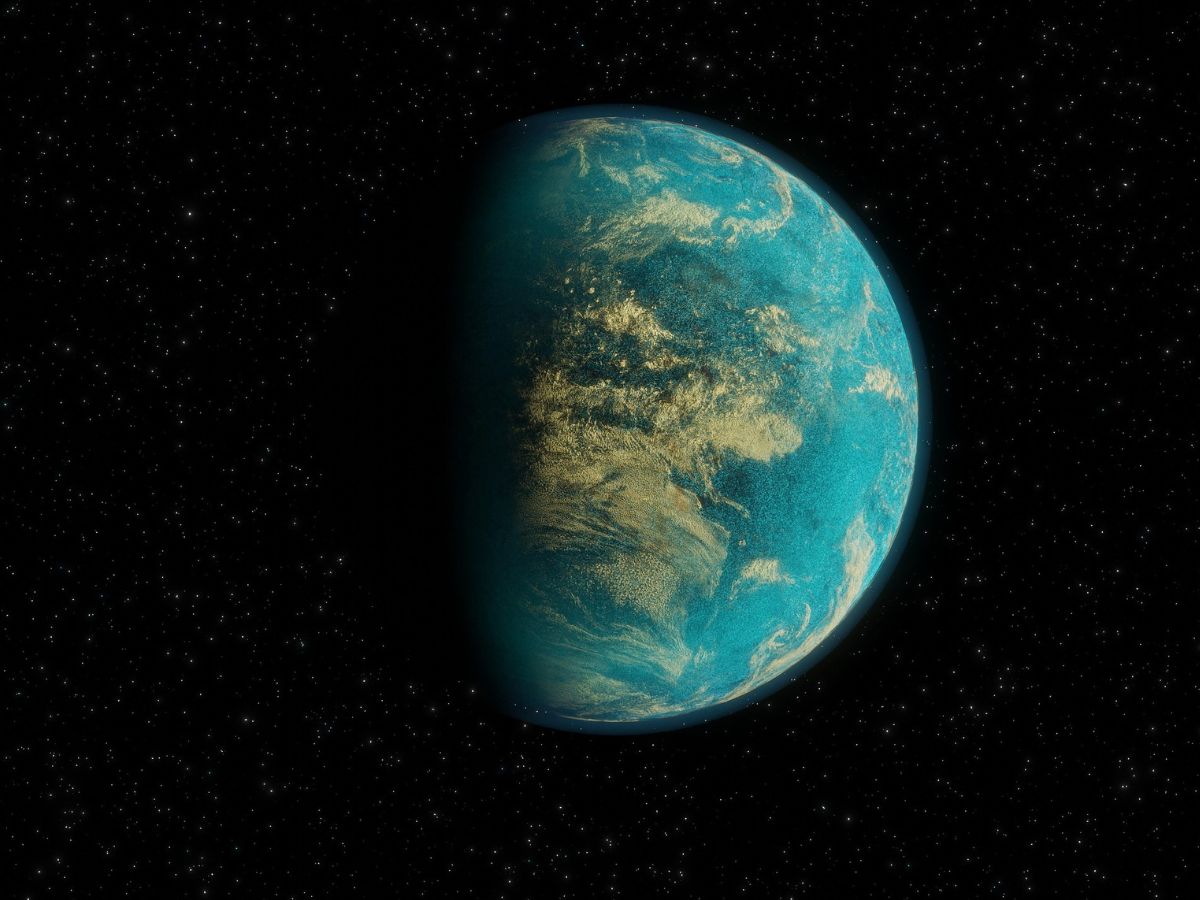
Astronomers have identified a planet that bears a striking resemblance to Earth, concluding a rigorous research effort spanning two decades. This significant discovery offers new insights into the potential for life beyond our planet and raises intriguing questions about the universe’s diversity.
The research team, whose findings were published in the journal IOPscience, focused on various characteristics of the newly discovered planet. Notably, it shares similar size and composition to Earth, making it a prime candidate for studying the conditions that could support life. The implications of this discovery could reshape our understanding of planetary systems in the universe.
Key Features of the Discovery
The newly identified planet lies within its star’s habitable zone, a region where conditions may be right for liquid water to exist on its surface. This characteristic is crucial, as water is a fundamental necessity for life as we know it. The planet’s atmosphere, although still under investigation, shows signs that it may have the right elements to support life.
According to the lead researcher, Dr. Emily Carter, “This discovery is not just about finding another planet. It is about understanding the conditions that can lead to the emergence of life.” Dr. Carter emphasized the importance of further research to explore the planet’s potential habitability.
The study utilized advanced telescopes and data analysis techniques to gather information about the planet’s orbit, temperature, and atmospheric composition. The meticulous approach taken by the team highlights the dedication and innovation that have characterized this research over the past two decades.
Implications for Future Research
The implications of this discovery are vast, especially in the field of astrobiology. Researchers are now more motivated to explore other exoplanets that may also exhibit Earth-like features. The focus will shift toward understanding the formation of such planets and the potential for life in different environments throughout the universe.
As astronomers continue to advance their techniques and technologies, the prospect of discovering more Earth-like planets increases. This could lead to significant breakthroughs in our search for extraterrestrial life and a deeper understanding of our own planet’s place in the cosmos.
In conclusion, the identification of this Earth-like planet marks a pivotal moment in astronomical research. It not only opens avenues for exploring life beyond Earth but also enhances our understanding of planetary systems. The journey of discovery is far from over, and researchers are eager to delve deeper into the mysteries of the universe.

Knicks Dominate Raptors 116-94, Extend Home Winning Streak

Hallmark’s ‘Christmas at the Catnip Café’ Premieres Tonight

Woman Arrested for Threatening U-Haul Worker with Baton

Japan’s PM Takaichi Vows Urgent Fiscal Management Amid Rate Trends

Bitcoin Plummets Below $88K Amid Tether Concerns and Warnings

Tottenville Falls Short in PSAL 4A Title Game Against Erasmus

Shark Teeth Study Reveals Urgent Clues to Prevent Extinction

Church Members Rally Together After Thanksgiving Fire Devastation

U.S. Investment in Canadian Energy Firms Surges Despite Low Oil Prices

Urgent Update: Tom Aspinall’s Vision Deteriorates After UFC 321

MIT Scientists Uncover Surprising Genomic Loops During Cell Division

University of Hawaiʻi Joins $25.6M AI Project to Enhance Disaster Monitoring

AI Disruption: AWS Faces Threat as Startups Shift Cloud Focus

Time Crystals Revolutionize Quantum Computing Potential

Honeywell Forecasts Record Business Jet Deliveries Over Next Decade

Discover the Full Map of Pokémon Legends: Z-A’s Lumiose City

GOP Faces Backlash as Protests Surge Against Trump Policies

Parenthood Set to Depart Hulu: What Fans Need to Know
-
 Top Stories1 month ago
Urgent Update: Tom Aspinall’s Vision Deteriorates After UFC 321
-
 Health1 month ago
MIT Scientists Uncover Surprising Genomic Loops During Cell Division
-
Science4 weeks ago
University of Hawaiʻi Joins $25.6M AI Project to Enhance Disaster Monitoring
-
 Top Stories1 month ago
AI Disruption: AWS Faces Threat as Startups Shift Cloud Focus
-
 Science2 months ago
Time Crystals Revolutionize Quantum Computing Potential
-
 World2 months ago
Honeywell Forecasts Record Business Jet Deliveries Over Next Decade
-
 Entertainment1 month ago
Discover the Full Map of Pokémon Legends: Z-A’s Lumiose City
-
 Top Stories2 months ago
GOP Faces Backlash as Protests Surge Against Trump Policies
-
 Entertainment2 months ago
Parenthood Set to Depart Hulu: What Fans Need to Know
-

 Politics2 months ago
Judge Signals Dismissal of Chelsea Housing Case Citing AI Flaws
-

 Sports2 months ago
Yoshinobu Yamamoto Shines in Game 2, Leading Dodgers to Victory
-

 Health2 months ago
Maine Insurers Cut Medicare Advantage Plans Amid Cost Pressures