
Health
Study Links Babies’ Gut Bacteria to Future Emotional Health

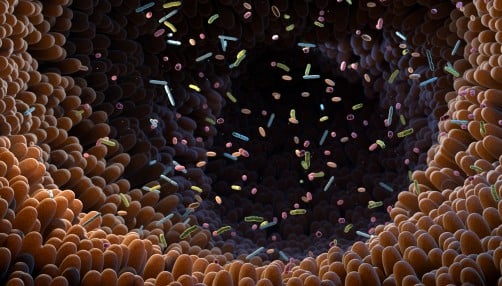
A recent study conducted by researchers at UCLA Health suggests that the gut microbiome of infants may play a significant role in their emotional health as they grow. The research, published in the journal Nature Communications, indicates that early gut bacteria could influence the risk of developing internalizing symptoms, such as depression and anxiety, during middle childhood.
The study highlights a correlation between the composition of gut bacteria and emotional health, revealing that children with a higher presence of bacteria from the Clostridiales order and Lachnospiraceae family were more likely to experience these mental health challenges. This connection appears to operate indirectly, as the gut microbiome’s makeup is linked to variations in brain connectivity related to emotions.
Dr. Bridget Callaghan, the senior author of the study and an associate professor of Psychology at UCLA, emphasized the importance of these findings: “By linking early-life microbiome patterns with brain connectivity and later symptoms of anxiety and depression, our study provides early evidence that gut microbes could help shape mental health during the critical school-age years.” If not addressed, symptoms of depression and anxiety can lead to ongoing mental health challenges as children transition into adolescence and adulthood.
The research builds on a growing body of evidence examining the gut-brain axis, particularly in school-aged children. Previous studies predominantly focused on infants and toddlers, investigating how microbial compositions relate to early brain development. In contrast, this study aims to explore how the gut microbiome’s composition can impact mental health outcomes as children age, particularly when symptoms of depression and anxiety first emerge.
The study utilized data from the Growing Up in Singapore Towards Healthy Outcomes (GUSTO) project, a longitudinal birth cohort study that collected health data from children in Singapore. Participants provided stool samples at age two, underwent resting state MRI brain scans at age six, and caregivers reported behavioral issues when the children reached seven and a half years old. Researchers from UCLA analyzed data from 55 participants in the GUSTO study to identify brain connectivity patterns at age six that correlated with internalizing symptoms reported at age seven and a half.
The association between internalizing symptoms and specific gut bacteria parallels findings in adult mental health research. Dr. Callaghan noted that these microbial groups have been linked to stress responses and depression in adults, as well as the effects of early childhood adversity. Some microbes within these groups may be more sensitive to stressors, potentially explaining their association with the development of anxiety and depression in later childhood.
Looking ahead, Dr. Callaghan expressed hope that future experimental research will clarify whether these associations are causal. “We need to figure out what species within these larger groups are driving the findings. Once we have that information, there are relatively straightforward ways to change the microbiome, like probiotics or diet, that we could use to address issues,” she added.
The study involved collaboration with several prominent institutions, including the Agency for Science, Technology and Research’s (A*STAR) Institute for Human Development and Potential, KK Women’s and Children’s Hospital, and National University Health System.
As research continues to unveil the complexities of the gut-brain connection, these findings underscore the potential for early interventions that could foster better mental health outcomes for children as they grow.

Philadelphia Parks Launch Free Earth Month Events Starting April 1

Bradford’s Fish Fry Fridays Serve Community with Delicious Dinners

Trump Faces Growing Challenges Amid Rising Tensions with Iran

Scientists Probe the Universe’s Missing Topological Defects

Samsung Galaxy Watch 9 to Feature Larger 435mAh Battery

UConn Huskies Aim to Defend Title in 2026 NCAA Women’s Tournament

U.S. Littoral Combat Ships Dock in Malaysia Amid Regional Tensions

Healthy Choice Wellness Reports Quarterly Earnings, Shares Rise

Urgent News: Charles M. Payment Passes Away at 78 in Duluth

University of Hawaiʻi Joins $25.6M AI Project to Enhance Disaster Monitoring

Major Grant Enhances Cancer Care and Research in Hawaiʻi

Joleen Chaney, Beloved Journalist, Passes Leaving Lasting Legacy

San Francisco’s SFO to Welcome 16 Airlines with Nonstop Flights to Europe in 2026

Goldman Sachs Unveils 2026 Catalyst Playbook for Biotech Investors

Discover Top Business Smartphones for Professionals in 2026

Urgent Update: Tom Aspinall’s Vision Deteriorates After UFC 321

Texas Roadhouse Honors Veterans with Free Meal Vouchers

CD Projekt Red Confirms No Release for The Witcher 4 in 2026
-
Science9 months ago
University of Hawaiʻi Joins $25.6M AI Project to Enhance Disaster Monitoring
-
 Health8 months ago
Major Grant Enhances Cancer Care and Research in Hawaiʻi
-
 Top Stories9 months ago
Joleen Chaney, Beloved Journalist, Passes Leaving Lasting Legacy
-
 World7 months ago
San Francisco’s SFO to Welcome 16 Airlines with Nonstop Flights to Europe in 2026
-
 Business8 months ago
Goldman Sachs Unveils 2026 Catalyst Playbook for Biotech Investors
-
 Business7 months ago
Discover Top Business Smartphones for Professionals in 2026
-
 Top Stories9 months ago
Urgent Update: Tom Aspinall’s Vision Deteriorates After UFC 321
-
 Lifestyle9 months ago
Texas Roadhouse Honors Veterans with Free Meal Vouchers
-
 Entertainment8 months ago
CD Projekt Red Confirms No Release for The Witcher 4 in 2026
-

 Top Stories10 months ago
AI Disruption: AWS Faces Threat as Startups Shift Cloud Focus
-

 Health10 months ago
MIT Scientists Uncover Surprising Genomic Loops During Cell Division
-

 Entertainment10 months ago
Discover the Full Map of Pokémon Legends: Z-A’s Lumiose City