
Entertainment
Egypt Opens Grand Egyptian Museum, Largest Dedicated to One Civilization

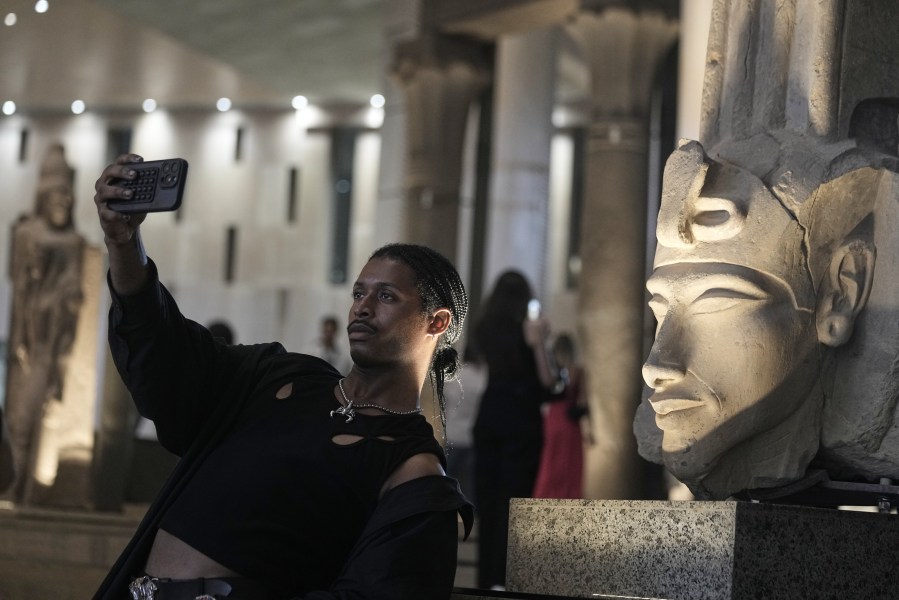
Egypt officially inaugurated the Grand Egyptian Museum on Saturday, marking a significant milestone in its efforts to enhance tourism and showcase the nation’s rich heritage. Situated just outside Cairo on the Giza Plateau, which is home to the iconic pyramids and the Sphinx, this museum stands as the world’s largest dedicated to a single civilization. It is set to display over 50,000 artifacts that illustrate life in ancient Egypt.
The grand opening ceremony attracted numerous world leaders, including monarchs and heads of state, highlighting the event as “an exceptional event in the history of human culture and civilization,” according to the Egyptian presidency. This initiative is part of a broader strategy initiated by President Abdel-Fattah el-Sissi, who has prioritized large-scale infrastructure projects since taking office in 2014. His administration aims to revive an economy that has struggled due to years of political turmoil, particularly following the 2011 Arab Spring uprising.
Preparations for the museum’s opening have been closely guarded, with limited access allowed prior to the event. The museum had been closed for the past two weeks, preparing for its debut. Enhancements to the surrounding area have included new roads and the construction of a metro station near the entrance, intended to improve visitor access. Additionally, Sphinx International Airport has opened west of Cairo, just 40 minutes from the museum.
Completed at a cost of $1 billion, the museum has faced various delays since construction began in 2005, primarily due to political instability. The Grand Egyptian Museum, often referred to as GEM, features a striking triangular glass façade that reflects the nearby pyramids, and it encompasses 24,000 square meters (approximately 258,000 square feet) of exhibition space.
Visitors will find a grand six-story staircase adorned with ancient statues leading to the main galleries, which offer a stunning view of the pyramids. A bridge connects the museum to the pyramids, allowing tourists to traverse the historic site either on foot or via electric vehicles, according to museum officials.
The museum comprises 12 main galleries that present antiquities ranging from prehistoric times to the Roman era, organized by historical period and thematic relevance. Notably, two halls are dedicated to the artifacts of King Tutankhamun, showcasing his treasures for the first time in their entirety since the tomb’s discovery by British archaeologist Howard Carter in 1922.
Zahi Hawass, Egypt’s prominent archaeologist and former minister of antiquities, emphasized the significance of the Tutankhamun collection, stating, “Why this museum is so important, and everyone is waiting for the opening? Because of Tutankhamun.” The collection features remarkable items, including three funeral beds, six chariots, a golden throne, a gold-covered sarcophagus, and the famous burial mask crafted from gold, quartzite, lapis lazuli, and colored glass.
The Egyptian government aims for the Grand Egyptian Museum to attract more tourists, who will contribute vital foreign currency to the economy. The tourism sector has been recovering from the impacts of the coronavirus pandemic and the ongoing effects of Russia’s war on Ukraine, both of which have affected Egypt’s appeal to international visitors. In 2024, approximately 15.7 million tourists visited Egypt, contributing about 8% to the country’s GDP. The government has set an ambitious target of attracting 30 million visitors annually by 2032.
Authorities have announced that the museum will open to the public starting Tuesday, offering an unprecedented opportunity to experience the vast history of ancient Egypt in a state-of-the-art facility.

Philadelphia Parks Launch Free Earth Month Events Starting April 1

Bradford’s Fish Fry Fridays Serve Community with Delicious Dinners

Trump Faces Growing Challenges Amid Rising Tensions with Iran

Scientists Probe the Universe’s Missing Topological Defects

Samsung Galaxy Watch 9 to Feature Larger 435mAh Battery

UConn Huskies Aim to Defend Title in 2026 NCAA Women’s Tournament

U.S. Littoral Combat Ships Dock in Malaysia Amid Regional Tensions

Healthy Choice Wellness Reports Quarterly Earnings, Shares Rise

Urgent News: Charles M. Payment Passes Away at 78 in Duluth

University of Hawaiʻi Joins $25.6M AI Project to Enhance Disaster Monitoring

Major Grant Enhances Cancer Care and Research in Hawaiʻi

Joleen Chaney, Beloved Journalist, Passes Leaving Lasting Legacy

San Francisco’s SFO to Welcome 16 Airlines with Nonstop Flights to Europe in 2026

Goldman Sachs Unveils 2026 Catalyst Playbook for Biotech Investors

Discover Top Business Smartphones for Professionals in 2026

Urgent Update: Tom Aspinall’s Vision Deteriorates After UFC 321

Texas Roadhouse Honors Veterans with Free Meal Vouchers

CD Projekt Red Confirms No Release for The Witcher 4 in 2026
-
Science9 months ago
University of Hawaiʻi Joins $25.6M AI Project to Enhance Disaster Monitoring
-
 Health8 months ago
Major Grant Enhances Cancer Care and Research in Hawaiʻi
-
 Top Stories9 months ago
Joleen Chaney, Beloved Journalist, Passes Leaving Lasting Legacy
-
 World7 months ago
San Francisco’s SFO to Welcome 16 Airlines with Nonstop Flights to Europe in 2026
-
 Business8 months ago
Goldman Sachs Unveils 2026 Catalyst Playbook for Biotech Investors
-
 Business7 months ago
Discover Top Business Smartphones for Professionals in 2026
-
 Top Stories9 months ago
Urgent Update: Tom Aspinall’s Vision Deteriorates After UFC 321
-
 Lifestyle9 months ago
Texas Roadhouse Honors Veterans with Free Meal Vouchers
-
 Entertainment8 months ago
CD Projekt Red Confirms No Release for The Witcher 4 in 2026
-

 Top Stories10 months ago
AI Disruption: AWS Faces Threat as Startups Shift Cloud Focus
-

 Health10 months ago
MIT Scientists Uncover Surprising Genomic Loops During Cell Division
-

 Entertainment10 months ago
Discover the Full Map of Pokémon Legends: Z-A’s Lumiose City