
Lifestyle
Prepare Your Yard and Garden for Winter: Essential Tips

As temperatures begin to drop, many homeowners are preparing their yards and gardens for the winter months. With the growing season officially behind us, it is crucial to take proactive steps to ensure that plants and outdoor spaces are protected during the colder weather. Below is a comprehensive checklist designed to help you winterize your yard and garden effectively.
Protecting Plants and Trees
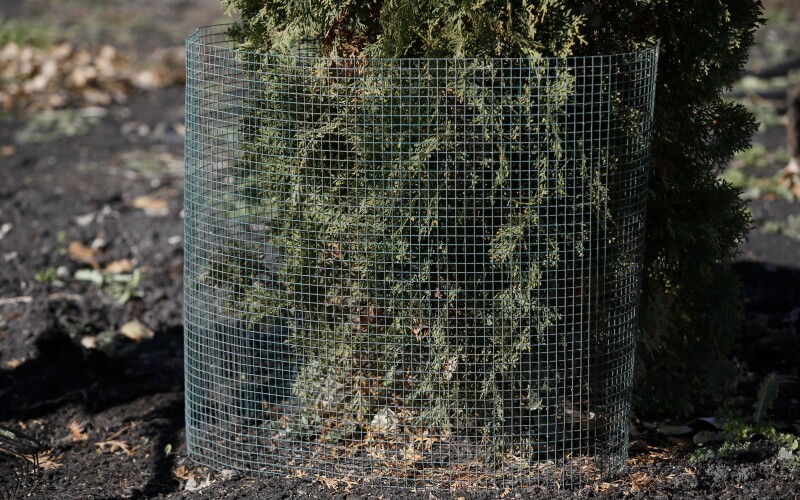
As food sources diminish and snow covers the ground, rabbits can become a significant threat to fruit trees and certain shrubs. Vulnerable species include apple, plum, and pear trees, along with shrubs like rose, arborvitae, and hydrangea. Installing fencing is the most reliable way to deter these animals. Homeowners may also consider repellents such as Liquid Fence and Plantskydd, which have proven effective for many.
In regions where soil typically freezes by the first half of November, it is advisable to secure protective fencing well in advance. After the soil has begun to freeze, adding a protective layer of mulch—12 to 24 inches thick—around roses, strawberries, and tender perennials can help insulate these plants from extreme cold conditions. This is especially important if last winter’s lack of insulating snow cover repeats itself.
Preparing for Winter Conditions
Homeowners should also check that water hoses are disconnected from outdoor spigots. Additionally, watering wands, nozzles, sprinklers, and rain gauges should be drained to prevent breakage. Liquid herbicides and insecticides must be stored in locations that won’t freeze; garages are often unsuitable unless heated above freezing.
It is essential to remove dead plants from outdoor containers to reduce the risk of disease next year. Voles, small rodents that can damage trees and shrubs by gnawing on bark, pose another threat. While repellents show mixed results, traps baited with peanut butter or peanuts are among the most effective methods for controlling these pests. Homeowners can also wrap tree trunks with wire mesh to protect against vole damage.
The final mowing of the lawn should occur when grass begins to brown and enter dormancy. Cutting the grass to a height of 2 inches can minimize damage over the winter. It is also wise to cover the trunks of thin-barked trees, such as fruit trees and maples, to prevent winter sunscald damage, which often occurs from December onwards.
Before winter’s chill fully sets in, it is critical to take care of any remaining tasks. Raking up fallen apples and disposing of damaged fruit helps maintain garden health. For perennials like iris and hosta, cutting back the tops can prevent disease. Meanwhile, ornamental grasses can be left intact, enhancing winter beauty and providing habitat for pollinators.
Finally, if there has been insufficient rainfall, giving evergreens and newly planted trees and shrubs a thorough soak can support their health during the winter months. Any unplanted bulbs, trees, or shrubs should be placed in the ground quickly to ensure their survival through the cold.
With the right preparations, your yard and garden can weather the winter effectively, ensuring a vibrant return in the spring. Taking these steps now can make all the difference in the health and appearance of your outdoor spaces come warmer weather.

Philadelphia Parks Launch Free Earth Month Events Starting April 1

Bradford’s Fish Fry Fridays Serve Community with Delicious Dinners

Trump Faces Growing Challenges Amid Rising Tensions with Iran

Scientists Probe the Universe’s Missing Topological Defects

Samsung Galaxy Watch 9 to Feature Larger 435mAh Battery

UConn Huskies Aim to Defend Title in 2026 NCAA Women’s Tournament

U.S. Littoral Combat Ships Dock in Malaysia Amid Regional Tensions

Healthy Choice Wellness Reports Quarterly Earnings, Shares Rise

Urgent News: Charles M. Payment Passes Away at 78 in Duluth

University of Hawaiʻi Joins $25.6M AI Project to Enhance Disaster Monitoring

Major Grant Enhances Cancer Care and Research in Hawaiʻi

Joleen Chaney, Beloved Journalist, Passes Leaving Lasting Legacy

San Francisco’s SFO to Welcome 16 Airlines with Nonstop Flights to Europe in 2026

Goldman Sachs Unveils 2026 Catalyst Playbook for Biotech Investors

Discover Top Business Smartphones for Professionals in 2026

Urgent Update: Tom Aspinall’s Vision Deteriorates After UFC 321

Texas Roadhouse Honors Veterans with Free Meal Vouchers

CD Projekt Red Confirms No Release for The Witcher 4 in 2026
-
Science9 months ago
University of Hawaiʻi Joins $25.6M AI Project to Enhance Disaster Monitoring
-
 Health8 months ago
Major Grant Enhances Cancer Care and Research in Hawaiʻi
-
 Top Stories9 months ago
Joleen Chaney, Beloved Journalist, Passes Leaving Lasting Legacy
-
 World7 months ago
San Francisco’s SFO to Welcome 16 Airlines with Nonstop Flights to Europe in 2026
-
 Business8 months ago
Goldman Sachs Unveils 2026 Catalyst Playbook for Biotech Investors
-
 Business7 months ago
Discover Top Business Smartphones for Professionals in 2026
-
 Top Stories9 months ago
Urgent Update: Tom Aspinall’s Vision Deteriorates After UFC 321
-
 Lifestyle9 months ago
Texas Roadhouse Honors Veterans with Free Meal Vouchers
-
 Entertainment8 months ago
CD Projekt Red Confirms No Release for The Witcher 4 in 2026
-

 Top Stories10 months ago
AI Disruption: AWS Faces Threat as Startups Shift Cloud Focus
-

 Health10 months ago
MIT Scientists Uncover Surprising Genomic Loops During Cell Division
-

 Entertainment10 months ago
Discover the Full Map of Pokémon Legends: Z-A’s Lumiose City